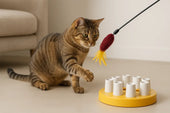

Key Takeaways
- Attention-seeking behaviour in pets is common but can become problematic if it disrupts daily life.
- Dogs often show attention-seeking through barking, pawing, or destructive acts, while cats may vocalise excessively or follow their owners everywhere.
- The root causes include boredom, anxiety, or owner reinforcement of unwanted behaviour.
- Training strategies like structured play, enrichment toys, and gradual independence building can significantly improve behaviour.
- Australian pet owners must also consider local lifestyle factors such as council regulations, climate, and safe indoor-outdoor options.
Introduction
Every pet owner loves a cuddle, a wagging tail, or a soft purr when they walk through the door. Pets thrive on companionship, and in many ways, their affection is one of the reasons we cherish them. Yet, there’s a line between normal bonding and behaviour that signals excessive attention-seeking.
For Australian pet owners, understanding this line is vital. A dog that barks relentlessly when ignored or a cat that meows through the night may be communicating more than just affection—they may be struggling with independence. Left unaddressed, this behaviour can lead to stress for both the animal and the household.
In this article, we will explore the signs of attention-seeking behaviour, why pets develop these patterns, and practical training methods to encourage calm independence. With insights from experts, real-world commentary, and tailored advice for Australian lifestyles, this guide will help you foster a healthier balance between giving love and encouraging self-sufficiency in your furry companions.
Understanding Attention-Seeking Behaviour in Pets
What Does “Attention-Seeking” Really Mean?
Attention-seeking behaviour refers to any action your pet repeatedly uses to gain your focus—whether positive or negative. While seeking contact is natural, especially in highly social species like dogs, it becomes problematic when it is excessive, disruptive, or emotionally unhealthy.
For instance, a dog nudging your hand for a pat can be endearing, but if it escalates into constant barking or destructive chewing whenever you’re busy, it shifts into unwanted behaviour. Similarly, cats may naturally meow to communicate, but excessive vocalisation or deliberately knocking items off counters can be a signal that they are demanding attention beyond normal feline interaction.
In short, attention-seeking is not about “bad pets,” but rather about pets trying to communicate unmet needs—whether for stimulation, reassurance, or structure.
Common Triggers
Attention-seeking rarely comes out of nowhere. Instead, it is often a symptom of deeper issues:
-
Loneliness and Separation Anxiety
Pets left alone for long hours may develop clingy behaviours when their owners return. Dogs, in particular, can suffer from separation anxiety, manifesting in barking, whining, or destructive behaviour. -
Lack of Stimulation
Boredom is one of the most common drivers. Without enough exercise, mental challenges, or playtime, pets often create their own “entertainment”—usually in ways that grab your attention. -
Learned Behaviour from Owners
Many owners unknowingly reinforce attention-seeking. For example, if your dog barks and you respond by petting them or offering a treat to quiet them, you’ve rewarded the barking. Cats quickly learn that meowing persistently will earn food or play. -
Changes in Routine
Pets are creatures of habit. Sudden shifts—such as a new work schedule, moving house, or changes in household members—can prompt them to cling more tightly to their owners. -
Underlying Medical Issues
Sometimes what looks like attention-seeking can actually be a cry for help. Cats with thyroid issues or dogs with pain may become more vocal or needy. A vet check is always recommended if behaviour suddenly changes.
Behavioural Signs of Attention-Seeking Pets
In Dogs
Dogs are naturally social animals, so it can sometimes be difficult to distinguish between affectionate interaction and problematic attention-seeking. However, certain signs make the difference clear:
- Excessive Barking or Whining – Dogs that bark or whine whenever you’re not engaging with them may be signalling a need for attention rather than responding to genuine external stimuli.
- Pawing and Jumping – Physical attempts to interrupt your activities, such as pawing at your arm while you work or jumping on you as soon as you enter the room.
- Destructive Behaviour – Chewing furniture, digging in the yard, or tearing apart toys when ignored. This often happens because the dog has learned that destruction draws an owner’s response, even if it’s negative.
- Clinginess – Refusing to rest alone, constantly following you from room to room, and becoming restless if you close a door behind you.
In Cats
Cats have a reputation for independence, but many domestic cats display strong social attachment. Attention-seeking in cats can look different than in dogs:
- Persistent Vocalisation – Repeated meowing, yowling, or chirping, especially at times when food or play is not usually offered.
- Deliberate Interference – Sitting on your laptop keyboard, knocking pens off a desk, or blocking your path until you respond.
- Shadowing Behaviour – Following you from room to room or refusing to settle unless they are in the same space as you.
- Demanding Play or Food – Scratching at cupboards, nudging toys into your lap, or meowing insistently until they are fed or entertained.
Comparison Table
To clearly distinguish between how dogs and cats typically exhibit attention-seeking, here’s a simple comparison:
| Behaviour Sign | Dogs | Cats |
|---|---|---|
| Vocalisation | Barking, whining | Meowing, yowling |
| Destructive Acts | Chewing furniture, digging | Knocking objects, scratching furniture |
| Physical Behaviour | Pawing, jumping, following | Shadowing, blocking tasks |
| Demands for Interaction | Bringing toys, nudging hands | Sitting on workspaces, food-demanding |
The Psychology Behind Attention-Seeking
Emotional Needs of Pets
At the core of attention-seeking lies the emotional makeup of dogs and cats. Dogs, being pack animals by nature, are wired for constant social interaction. Their ancestors thrived in groups, relying on cooperation for survival. This evolutionary background explains why many dogs feel uneasy when left alone for long periods—they are instinctively drawn to companionship and leadership from their human family.
Cats, on the other hand, have a more complex relationship with independence. Unlike dogs, their ancestors were solitary hunters, yet domestication has shifted their behaviour to embrace stronger bonds with humans. Many cats seek reassurance, comfort, and stimulation from their owners, even if they also enjoy solitude. For some cats, attention-seeking is a way of reinforcing their social bond, while for others it can stem from insecurity or unmet needs.
Understanding this emotional context helps owners differentiate between normal bonding and behaviour that reflects deeper imbalance.
The Role of Reinforcement
A critical driver of attention-seeking behaviour is how owners respond. Pets are astute observers; they quickly learn what works to get a reaction. If a dog barks and you respond immediately by petting, scolding, or giving food, the dog learns that barking equals attention—whether positive or negative. Similarly, a cat that meows persistently and receives food will repeat the meowing each time it wants a meal.
This cycle is known as reinforcement learning. In behavioural science, any reaction that strengthens a behaviour—be it praise, food, or even eye contact—can reinforce it. Owners often fall into the trap of responding out of frustration or sympathy, unintentionally rewarding the very behaviour they wish to curb.
The key to breaking this cycle lies in strategic ignoring of undesirable actions combined with rewarding calm, independent behaviour. Pets can then learn that they gain attention not by demanding it, but by demonstrating balance and patience.
Negative Consequences if Left Unchecked
When attention-seeking behaviour is overlooked or consistently rewarded, it can escalate into more serious problems for both pets and their owners. What might begin as a harmless bark or meow can quickly develop into patterns that disrupt the household and compromise a pet’s wellbeing.
Stress and Anxiety for Pets
Constantly relying on their owners for reassurance prevents pets from developing coping skills. Dogs may experience heightened separation anxiety, displaying panic each time they are left alone. Cats may grow restless and vocal, unable to self-soothe. Over time, this dependence creates a cycle of stress that worsens rather than improves with attention.
Escalation of Behaviour
Attention-seeking rarely remains at the same level. If barking, meowing, or pawing fails to earn the desired response, pets often escalate their behaviour—becoming louder, more destructive, or more persistent. What was once a small disruption can become unmanageable.
Owner Frustration and Strained Bonds
Living with a pet that constantly demands attention can be exhausting. Owners may become frustrated, leading to tension in the relationship. In some cases, frustration can unintentionally manifest as harsher discipline, which only confuses the pet and damages trust.
Risk of Behavioural Disorders
Unchecked attention-seeking can evolve into more complex behavioural issues, including obsessive-compulsive patterns. Dogs may develop repetitive licking or pacing habits, while cats might engage in excessive grooming or destructive scratching. These behaviours are not only disruptive but can also indicate declining mental health.
Practical Implications in Australian Homes
For Australian pet owners, excessive attention-seeking can create unique challenges. Noise complaints from neighbours due to barking dogs are common and can result in council warnings or fines. Similarly, cats that meow excessively at night can disrupt sleep patterns, affecting household harmony. Left unmanaged, these issues extend beyond inconvenience—they can directly affect lifestyle and community relationships.
Training Techniques to Curb Attention-Seeking
For Dogs
Dogs are highly trainable, but their eagerness for interaction can make attention-seeking a persistent challenge. Addressing this behaviour requires consistency, patience, and structured methods.
-
Structured Play and Exercise Routines
A tired dog is often a content dog. Daily walks, fetch games, and training drills release pent-up energy and reduce the drive to demand attention excessively. Australian owners, especially those in suburban or rural areas, can make use of open spaces or dog parks for safe, supervised exercise. -
Teaching “Settle” and “Place” Commands
Training your dog to rest calmly in a designated spot (such as a mat or bed) helps reinforce independence. Start by rewarding your dog when it voluntarily settles, then gradually extend the duration before offering praise or a treat. -
Ignoring Unwanted Behaviours
Consistency is vital. If your dog barks or paws for attention, avoid eye contact, speaking, or touching. Only reward calmness. Over time, this teaches your dog that quiet behaviour leads to positive outcomes, while barking or whining does not. -
Redirection with Enrichment
Instead of scolding, redirect your dog’s attention with puzzle feeders, chew toys, or training tasks. This keeps them mentally occupied while discouraging disruptive demands.
For Cats
Cats require a slightly different approach, as they are less responsive to direct obedience training but highly sensitive to environment and routine.
-
Interactive Play Sessions
Dedicate short, daily sessions using wand toys, balls, or chase games. Structured play burns energy and reduces attention-seeking behaviours like nighttime meowing. -
Scheduled Feeding and Play
Cats thrive on predictable routines. Feeding at consistent times and incorporating play before mealtime helps them anticipate interaction without demanding it constantly. -
Encouraging Independent Play
Provide enrichment toys such as treat-dispensing balls, climbing towers, and scratching posts. Cats that have engaging outlets for their energy are less likely to interfere with your activities. -
Reward Calm Behaviour
Just as with dogs, rewarding moments of quiet rest reinforces self-settling. A calm pat or treat when your cat lounges nearby without disrupting you can encourage more of that behaviour.
Expert Commentary
“The most effective way to address attention-seeking is to reward what you want to see, not what you don’t. Pets repeat behaviours that work for them, so it’s our job to make calmness and independence more rewarding than demanding attention.” — Dr. Karen Gregor, Veterinary Behaviourist, Sydney
Building Independence in Pets
Encouraging pets to become more self-reliant not only reduces attention-seeking but also improves their overall wellbeing. Independence does not mean neglect—it means giving dogs and cats the confidence to enjoy time alone without stress.
Environmental Enrichment
One of the most effective ways to reduce attention-seeking is to create a stimulating environment where pets can entertain themselves.
- Puzzle Toys and Feeders – Automatic feeders, treat-dispensing balls, and slow feeders challenge pets mentally while rewarding them with food.
- Scratching Posts and Climbing Towers for Cats – These satisfy natural instincts and keep cats occupied. A tall cat tree placed near a window can provide hours of entertainment.
- Dog Agility Toys and Sniffing Games – Scent trails, snuffle mats, and interactive chew toys give dogs a “job” to focus on when their owners are busy.
- Outdoor Exploration in Safe Spaces – Catios (enclosed cat patios) and fenced yards allow pets to explore safely. For dogs, off-leash dog parks or secure runs offer controlled independence.
Encouraging Self-Soothing
Teaching pets to calm themselves builds resilience and reduces dependency on constant owner reassurance.
- Creating Safe Zones – Designated spaces such as a bed, crate, or mat signal a place of rest. In Australia’s hot summers, cooling mats can be particularly beneficial.
- Calming Aids – Pheromone diffusers for cats, weighted blankets for dogs, or herbal calming sprays may help pets relax when alone.
- Gradual Alone-Time Training – Begin by leaving your pet in a separate room for a few minutes and gradually increase the duration. Reward calmness upon your return.
Gradual Separation Training
One of the most common triggers for attention-seeking is separation anxiety. Training to ease this requires patience and consistency.
- Short Departures – Leave for only a few minutes at first, gradually building up to longer absences.
- Low-Key Exits and Returns – Avoid making a fuss when leaving or arriving home. Over-excitement signals to pets that absence is a big deal. Calm entrances and exits help normalise alone time.
- Pair Absences with Positives – Give your pet a special chew toy or treat when you leave, so they begin to associate alone time with something enjoyable.
Australian Perspective
Independence-building strategies need to fit the local context. Hot weather, noisy neighbourhoods, and smaller urban living spaces can influence how easily pets adapt. For example:
- Dogs in apartments may benefit from indoor enrichment toys when outdoor exercise is limited.
- Cats in suburban areas with busy roads may need secure enclosures instead of roaming freely.
- Seasonal boredom is common during Australia’s rainy periods—indoor training and enrichment become essential during these times.
Related Product Recommendations
Training pets to be more independent often works best when paired with the right tools. Practical products not only make the process smoother but also ensure pets remain engaged, safe, and comfortable when their owners are unavailable.
Automatic Feeders
An automatic feeder helps pets anticipate structured mealtimes without relying on constant human presence. For dogs, it reinforces routine, while for cats, it prevents them from pestering owners outside of feeding hours. Many models also include portion control, which is particularly useful for Australian households managing pets prone to overeating.
Interactive Toys
Toys that challenge pets mentally can drastically reduce attention-seeking behaviours. For dogs, treat-dispensing puzzles, chew toys, and snuffle mats encourage problem-solving. Cats benefit from toys with motion sensors, laser alternatives, or rolling treat balls. These products provide stimulation that mimics natural hunting or foraging.
Beds and Mats
A designated rest space, such as an orthopaedic dog bed or a cosy cat mat, encourages pets to self-soothe. Beds placed in quiet corners of the home act as “safe zones.” In Australia’s warm climate, cooling mats are especially helpful in summer, while plush beds provide comfort during colder months.
Harnesses and Leashes
For dogs with excess energy, regular structured exercise remains one of the best ways to prevent attention-seeking. A sturdy harness paired with a reliable leash ensures safe outdoor activity. Special no-pull harnesses also help owners manage excitable dogs more easily, making walks less stressful for both parties.
Grooming Products
Although not directly linked to training, grooming plays a subtle role in building independence. Pets that are brushed regularly and kept comfortable are less likely to scratch or demand owner attention for irritations such as matted fur or skin discomfort.
By incorporating these tools into daily routines, Australian pet owners can create an environment where pets feel enriched, calm, and secure—reducing the reliance on constant human interaction.
Special Considerations for Australian Pet Owners
Addressing attention-seeking behaviour in pets isn’t just about training—it also requires understanding the unique lifestyle, environmental, and legal context of pet ownership in Australia. These factors can significantly influence how dogs and cats behave, as well as the strategies that work best for building independence.
Indoor vs Outdoor Lifestyle
- Dogs – Many Australian suburbs have access to off-leash dog parks, walking trails, and open reserves. Regular outdoor exercise reduces boredom-driven behaviours like barking or destructive chewing. However, in urban areas or apartments, indoor enrichment becomes more important.
- Cats – Outdoor roaming can expose cats to risks such as traffic accidents, snake bites, or attacks from dogs and foxes. Additionally, free-roaming cats pose a threat to native wildlife, which is a significant environmental concern in Australia. Many councils recommend or even mandate keeping cats indoors or in secure outdoor enclosures, making enrichment and independence training essential for their wellbeing.
Legal and Welfare Obligations
Australian councils and state governments enforce strict rules regarding pets:
- Nuisance Laws – Persistent barking dogs may attract complaints from neighbours, leading to warnings, fines, or required behavioural interventions.
- Cat Curfews and Containment Laws – Some councils have cat curfews, requiring cats to be kept indoors at night or confined 24/7. These regulations aim to protect native wildlife and reduce nuisance behaviour.
- Animal Welfare Standards – Under the RSPCA guidelines and state animal welfare acts, owners must ensure pets receive adequate mental stimulation, exercise, and socialisation. Attention-seeking often arises when these needs are not met, meaning prevention is not only beneficial but also a responsibility.
Climate and Environmental Factors
Australia’s climate and environment can influence attention-seeking behaviours and the training needed to address them:
- Hot Summers – Pets may spend more time indoors to avoid heat stress. Without adequate enrichment, this can increase vocalisation or destructive habits. Cooling mats, shaded outdoor areas, and hydration products are essential.
- Rainy or Stormy Periods – Many dogs and cats experience stress during storms, leading to clinginess. Noise anxiety is a common trigger for attention-seeking, especially during summer thunderstorm season. Calming aids and safe indoor zones can help.
- Wildlife Distractions – In suburban and rural areas, pets may fixate on birds, possums, or kangaroos. This heightened arousal can spill over into attention-seeking if not managed with training and redirection.
By considering these Australian-specific factors, pet owners can tailor training and environmental solutions that not only reduce attention-seeking but also comply with welfare and legal responsibilities.
Quotes & Insights from Experts
Expert perspectives can help Australian pet owners understand that attention-seeking is not simply a matter of “naughty behaviour” but a reflection of unmet needs or inconsistent training. Veterinarians and behaviourists emphasise the importance of balance—giving pets love while also teaching them resilience and independence.
Veterinary Insights
“When pets constantly seek attention, it often means they’re lacking stimulation, structure, or confidence. The goal isn’t to stop them from interacting with us but to guide them toward healthier ways of doing so.” — Dr. Amelia Wright, Small Animal Veterinarian, Melbourne
“Owners sometimes overlook medical causes. If a pet suddenly becomes more vocal, clingy, or destructive, a vet check is crucial. Pain, thyroid issues, or age-related changes can all trigger attention-seeking behaviours.” — Dr. Ethan Reid, Veterinary Surgeon, Brisbane
Behaviourist Perspectives
“Attention-seeking is one of the most reinforced behaviours because humans react instinctively. A bark, a meow, a paw on the leg—it gets a response. The solution is not punishment but retraining ourselves to reward calm, quiet behaviour instead.” — Sarah Blake, Certified Animal Behaviourist, Sydney
“Independence training must be gradual. Pets left alone too abruptly may panic, reinforcing anxiety. By building separation tolerance step by step, owners can teach pets that time apart is safe and predictable.” — Michelle Harper, Canine Behaviour Consultant, Perth
Trainer Commentary
“I often remind clients that exercise solves half of behaviour problems in dogs. A tired, mentally stimulated dog is far less likely to paw, bark, or chew for attention. For cats, climbing structures and puzzle feeders serve the same purpose.” — James Lawson, Professional Dog Trainer, Adelaide
These expert insights reinforce the idea that attention-seeking behaviour is best addressed with empathy, structure, and the right balance of training and environment.
Conclusion
Attention-seeking behaviour in pets is not a sign of disobedience or defiance—it is a signal. Whether through barking, meowing, pawing, or shadowing, dogs and cats communicate their needs in the only ways they know how. The challenge for owners lies in recognising when this behaviour reflects natural bonding and when it reveals deeper issues of boredom, anxiety, or lack of structure.
For Australian pet owners, the path to calmer, more independent pets involves a combination of training, environmental enrichment, and awareness of local conditions and laws. Teaching a dog the “settle” command, offering a cat a puzzle feeder, or creating a quiet safe zone can go a long way toward building resilience. Pairing these strategies with consistent routines helps pets thrive without relying on constant human attention.
Independence training doesn’t diminish the bond between owner and pet—it strengthens it. By giving pets the tools to self-soothe and feel secure on their own, owners foster confidence, reduce stress, and ensure a more harmonious household.
Ultimately, a well-balanced pet is one that can enjoy affection but also rest calmly when left alone. With patience, empathy, and the right support, Australian pet owners can transform attention-seeking behaviours into opportunities for healthier, happier companionship.
Frequently Asked Questions (FAQ)
1. Why does my dog bark whenever I stop paying attention?
Dogs often bark because they’ve learned it earns a reaction. Even scolding can reinforce the behaviour. The best approach is to ignore barking and reward calmness instead. Increasing exercise and providing puzzle toys also helps reduce the urge to demand attention.
2. Is it normal for my cat to follow me everywhere?
Yes, many cats shadow their owners as a sign of affection and security. However, if the behaviour is constant and accompanied by loud meowing, it may signal boredom or anxiety. Structured play and enrichment activities can help your cat become more confident alone.
3. How can I train my pet to be more independent when I work long hours?
Gradual separation training is key. Start by leaving your pet alone for short periods, then build up to longer absences. Pair your departures with a positive distraction such as a chew toy, food puzzle, or automatic feeder. This teaches your pet that alone time brings good things.
4. What are the best toys to keep pets busy at home?
- For dogs: treat-dispensing chew toys, snuffle mats, and rope tugs.
- For cats: climbing trees, feather wands, and rolling puzzle feeders.
Interactive toys mimic natural hunting and foraging behaviours, keeping pets mentally and physically engaged.
5. Do Australian laws affect how I manage my pet’s behaviour?
Yes. Councils often regulate nuisance behaviours such as barking, and some have cat curfews or containment rules to protect wildlife. Familiarising yourself with local laws ensures you stay compliant while supporting your pet’s welfare.
6. Should I punish my pet for attention-seeking behaviour?
No. Punishment often increases anxiety and confusion, making behaviours worse. Instead, use positive reinforcement: reward calm and independent behaviour, while ignoring undesirable actions.
7. My cat meows loudly at night—what should I do?
Night-time meowing is common in cats that are under-stimulated during the day. Schedule play sessions in the evening, provide interactive toys, and avoid responding to the meowing with food or attention. Over time, your cat will adjust to the new routine.