
Featured products
-
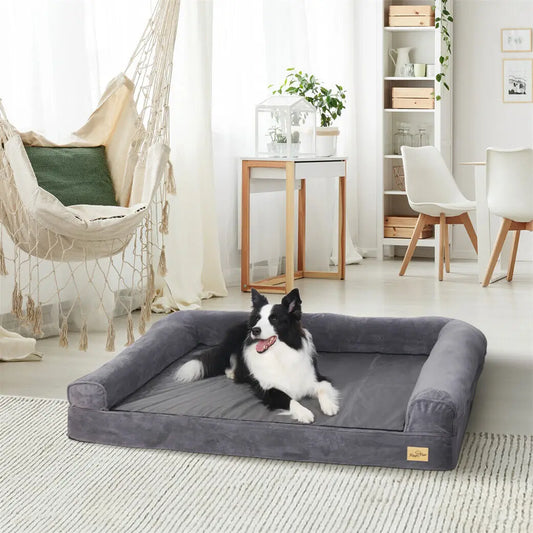
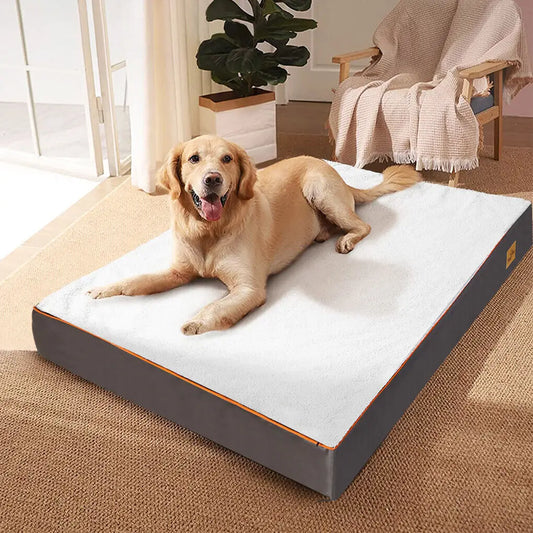
Dog Sofa Bed Extra Large Orthopedic Mattress
Free ShippingRegular price From $129.95Regular priceUnit price / perSale price$159.95From $129.95Sale -
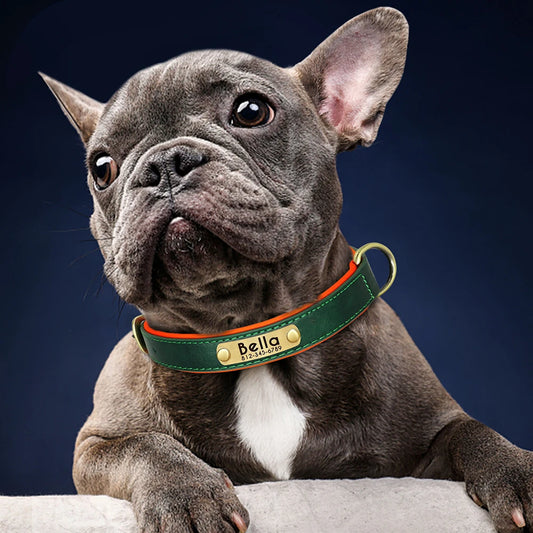
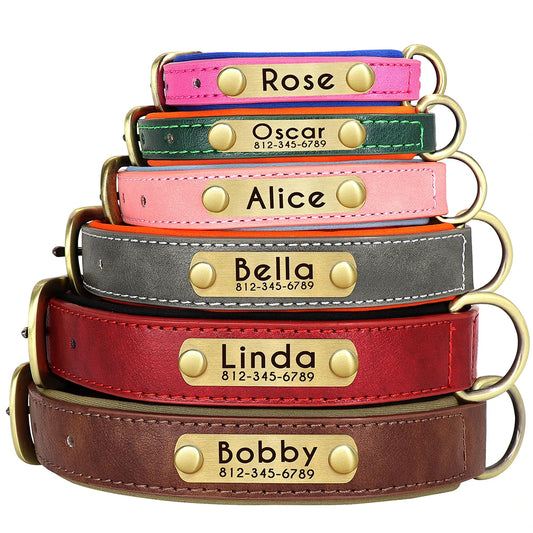
Personalised Dog Collars for Small Medium Large Dogs
Free ShippingRegular price From $25.95Regular priceUnit price / perSale price$33.95From $25.95Sale -
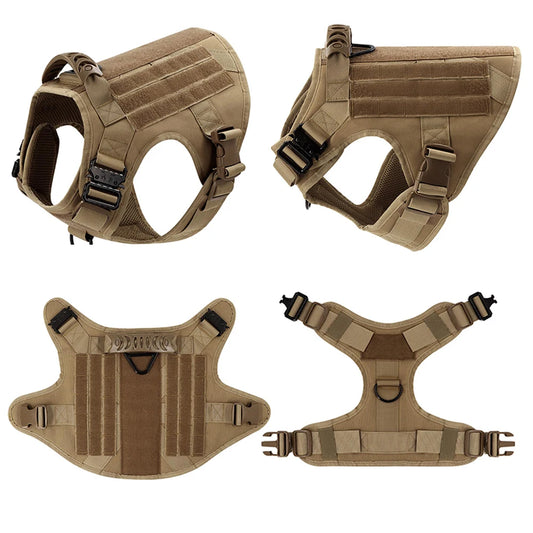
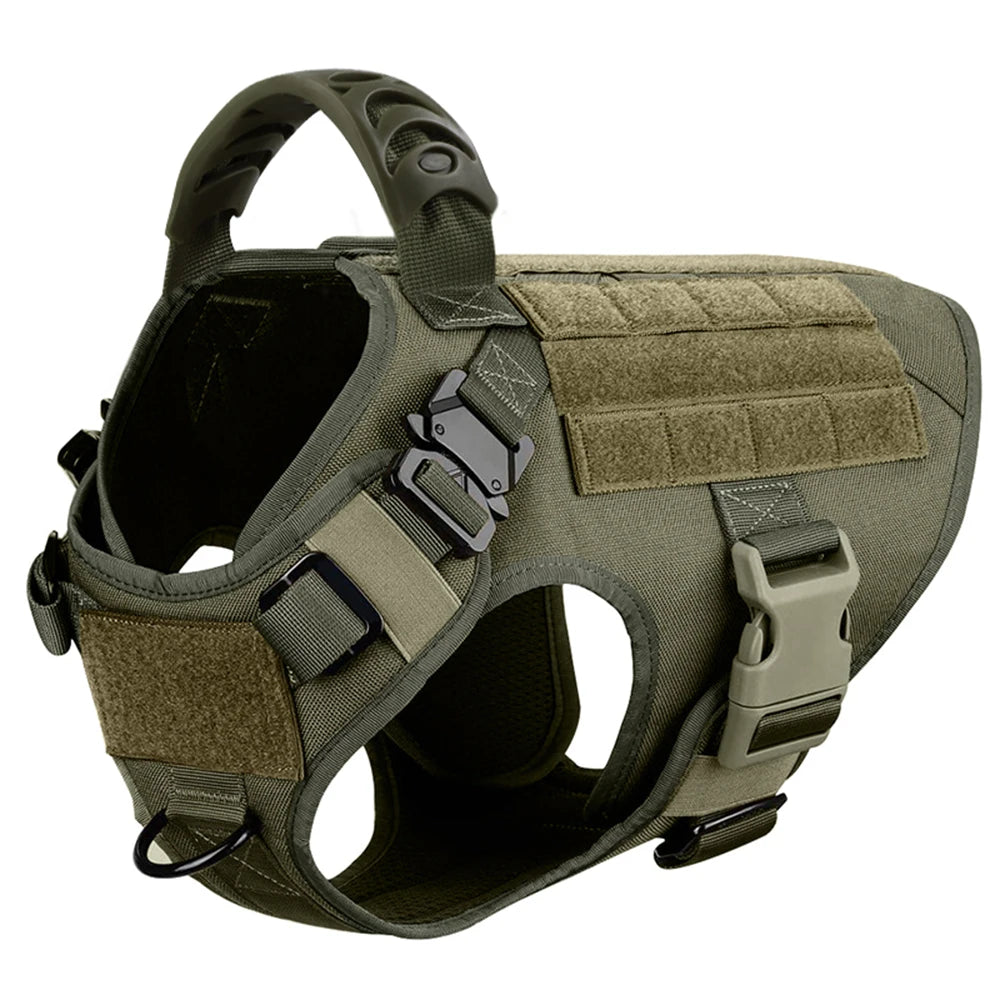
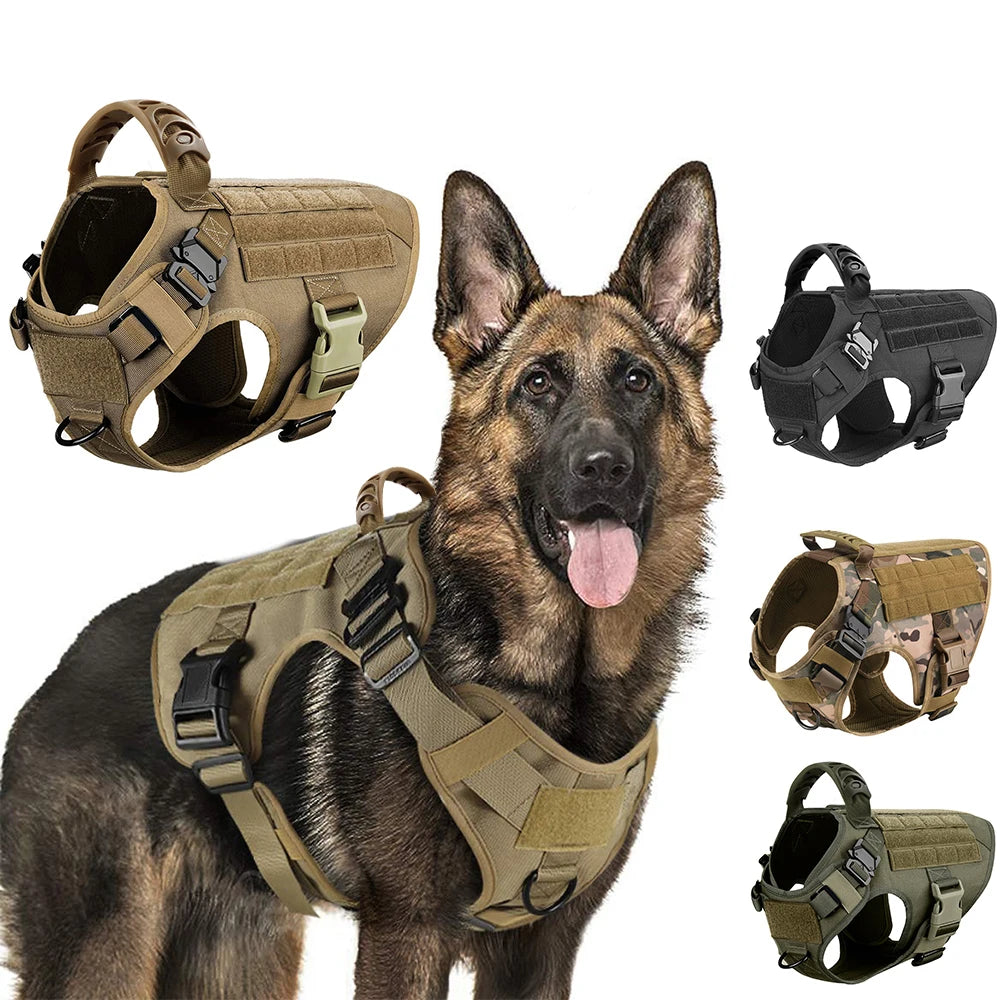
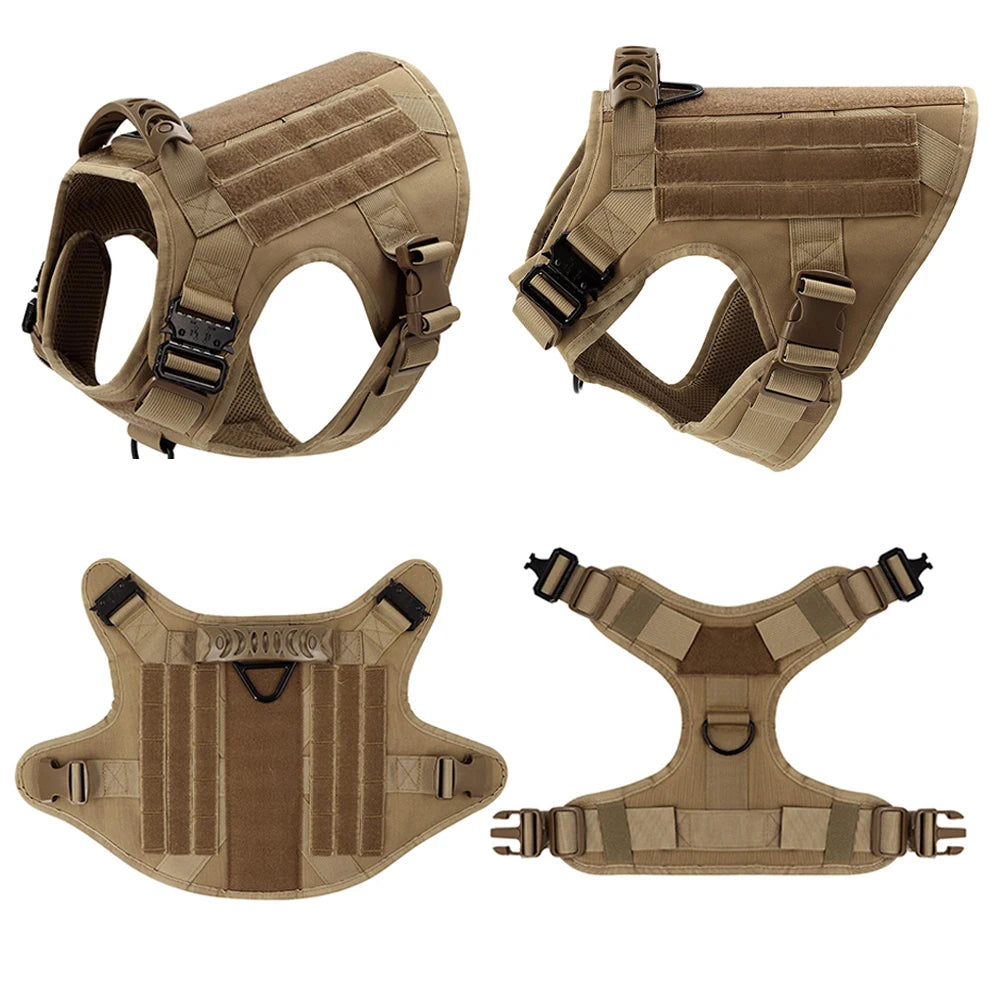
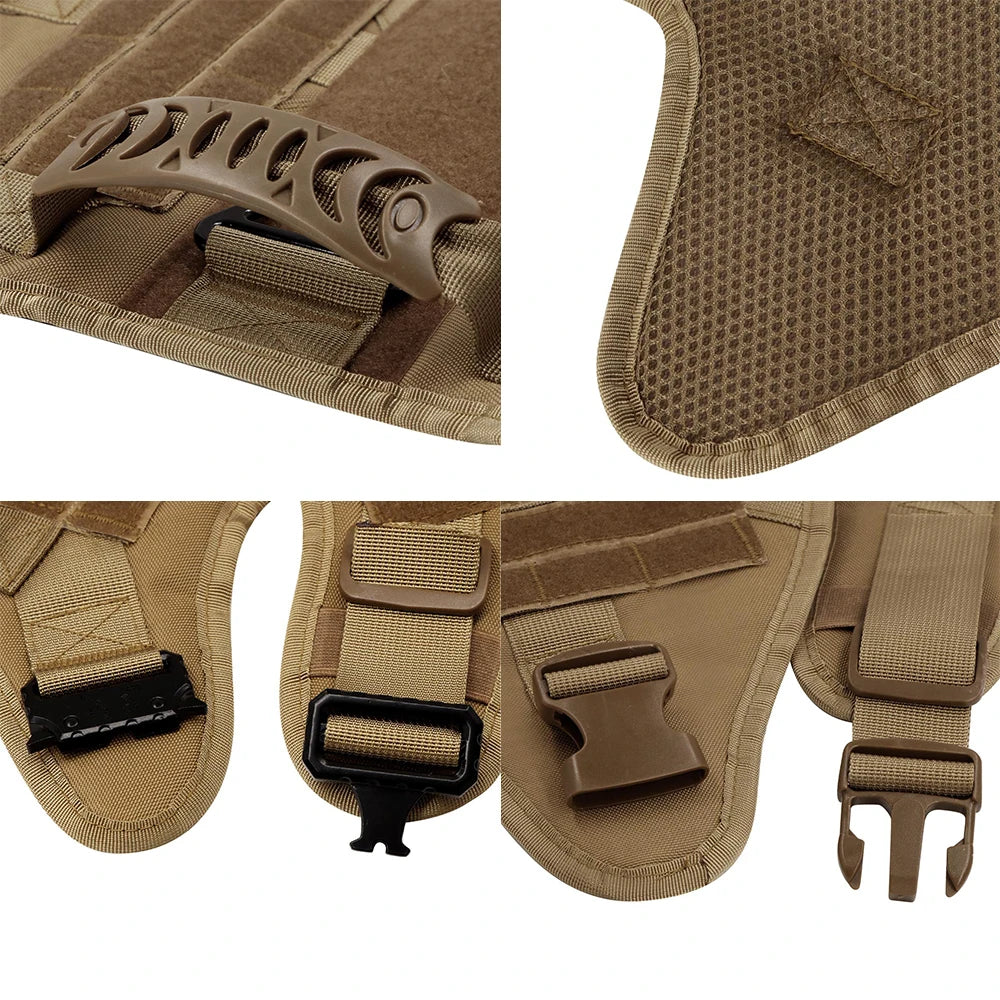
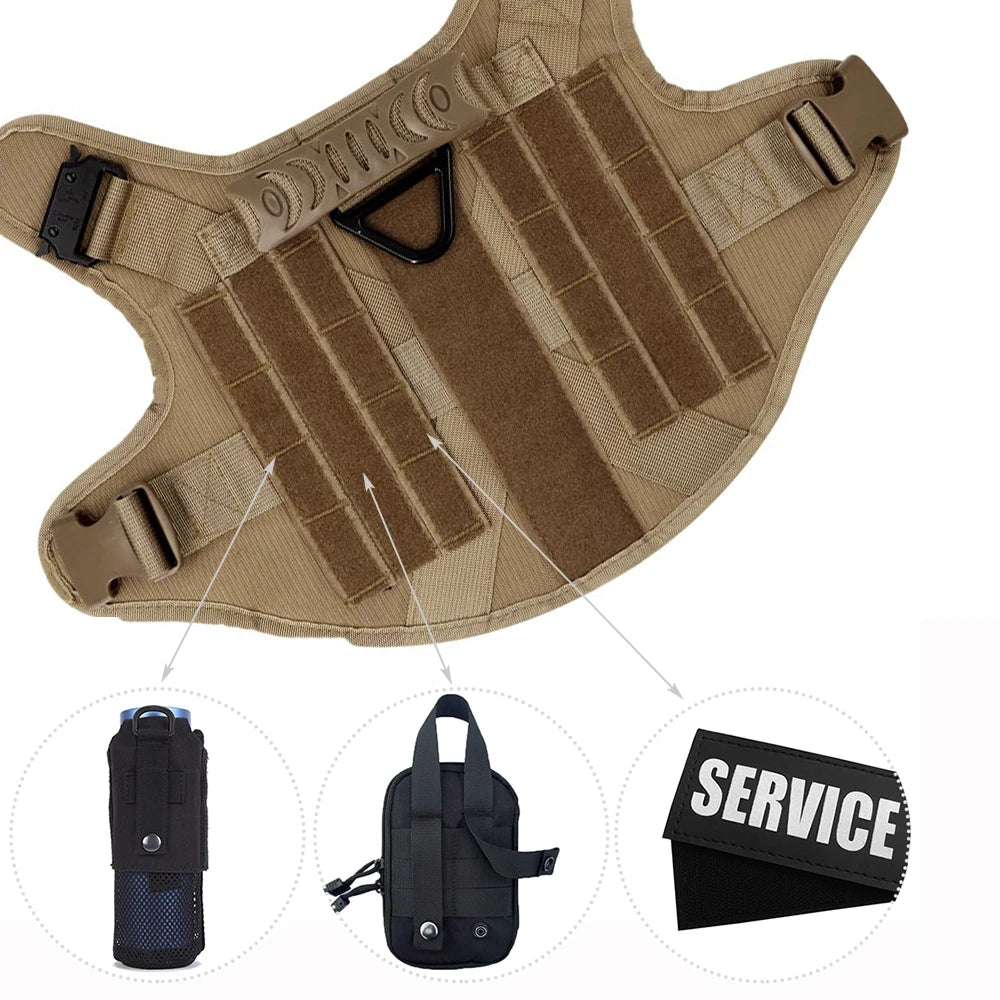
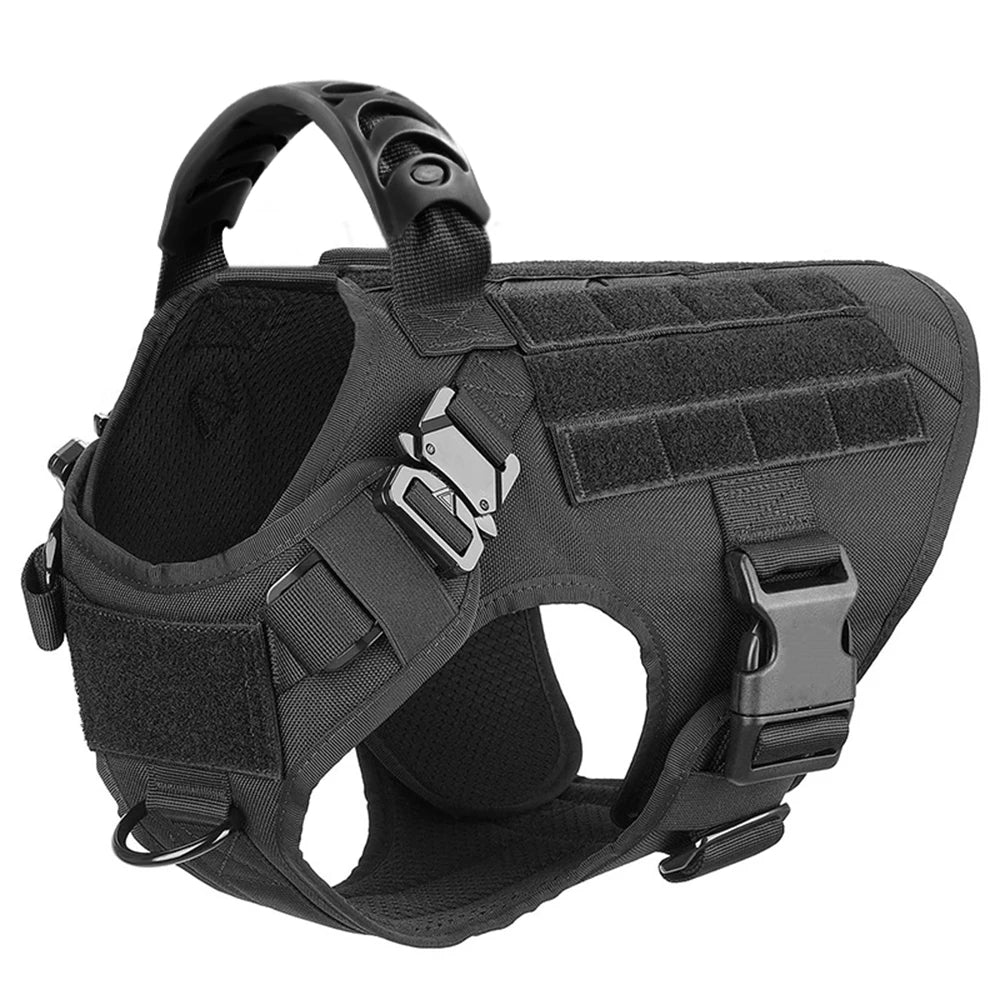
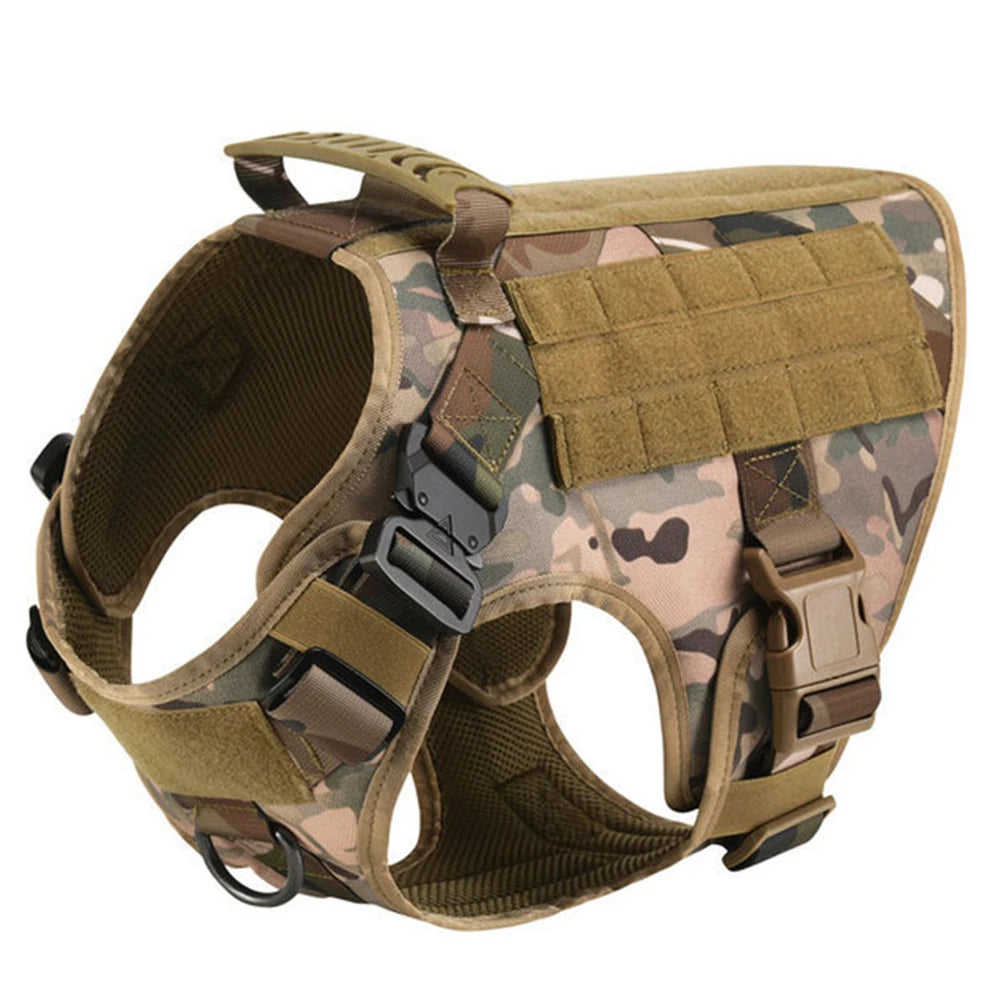
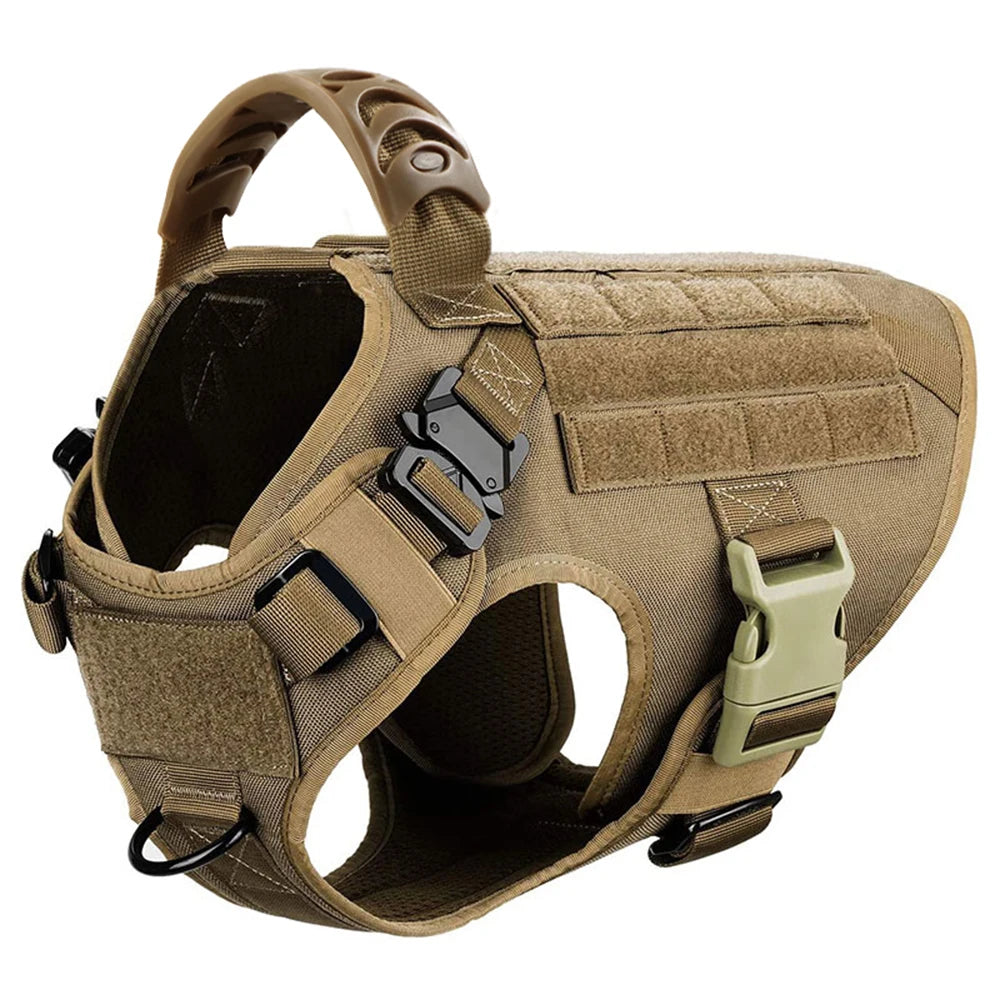
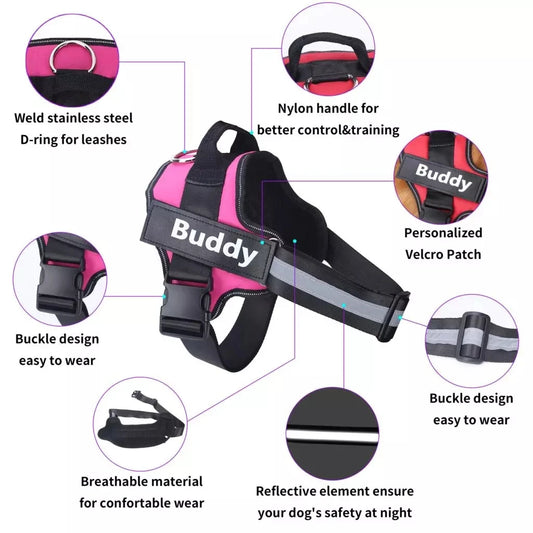
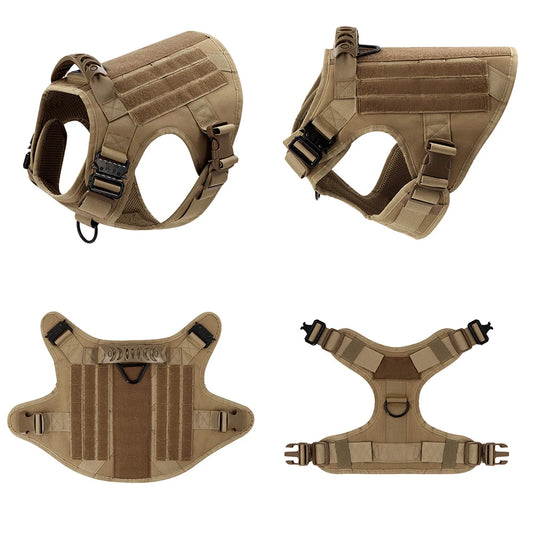
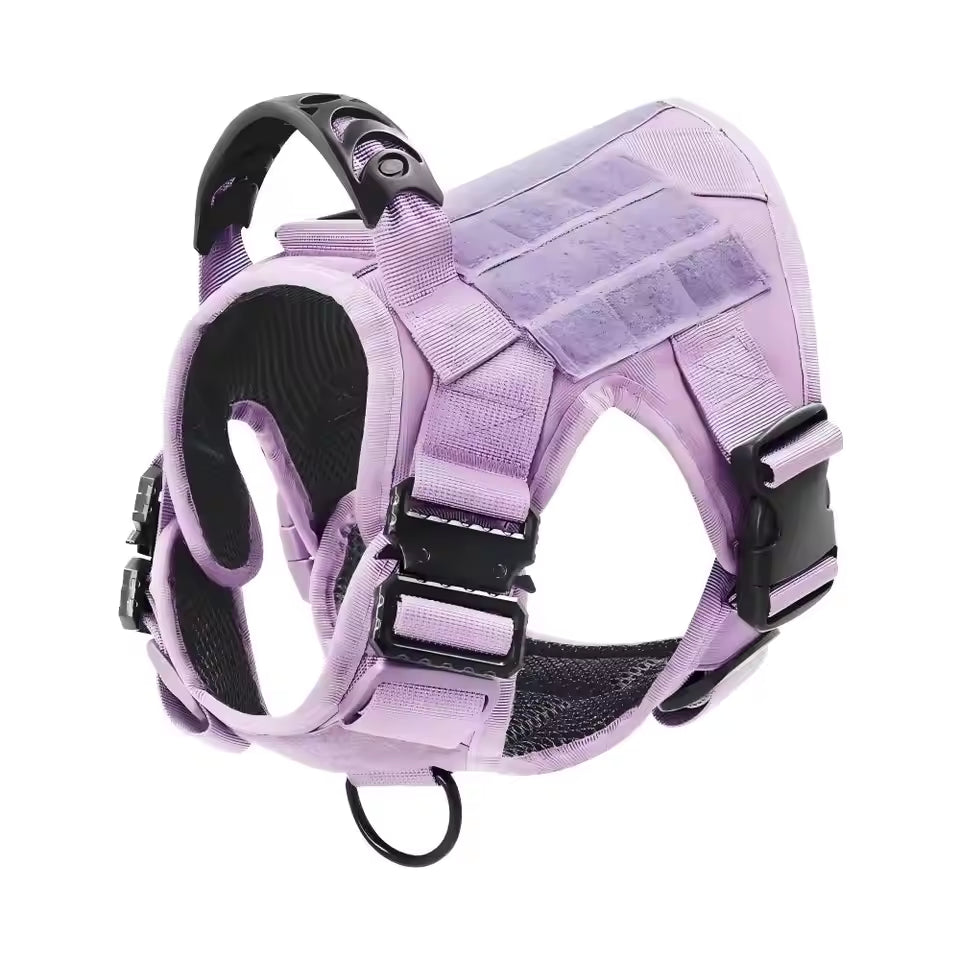
Military Grade No Pull Dog Harness for Extra Big Powerful Dogs
Free ShippingRegular price From $79.95Regular priceUnit price / perSale price$94.95From $79.95Sale -
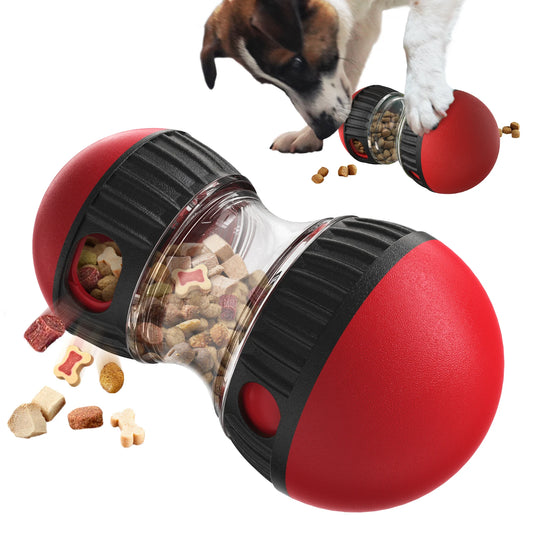
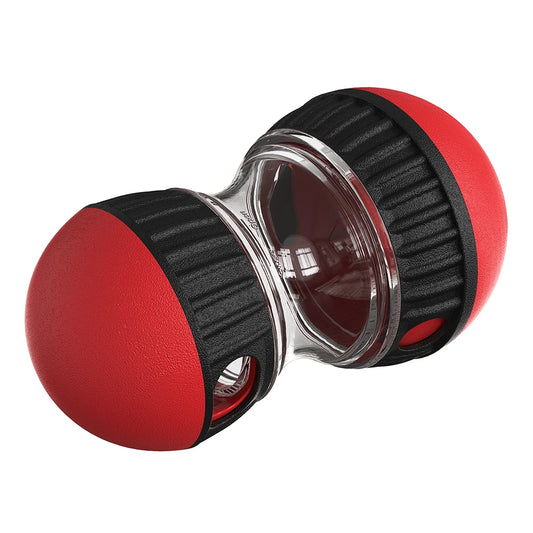
Puzzle Dog Toys - Interactive Slow Feeder
Free ShippingRegular price $24.95Regular priceUnit price / perSale price$31.95$24.95Sale -
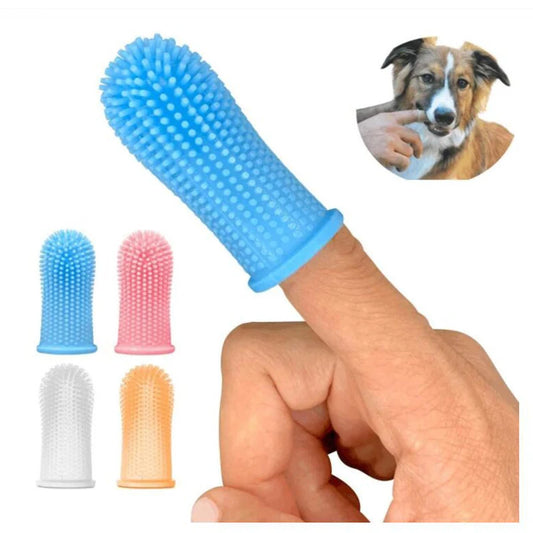
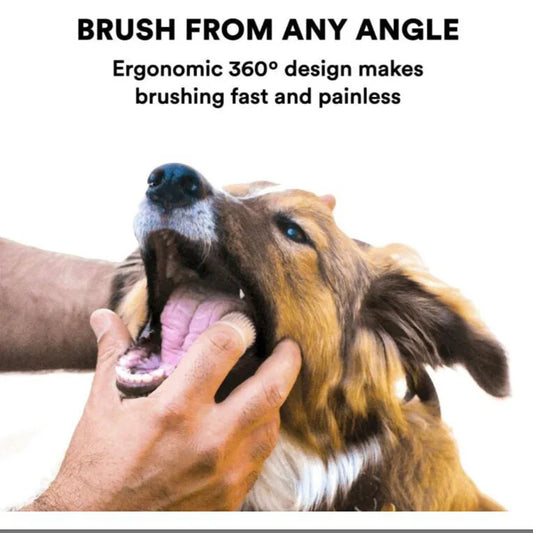
Silicone Pet Finger Toothbrush
Free ShippingRegular price $14.95Regular priceUnit price / perSale price$18.95$14.95Sale
The Heaps Variety
Military Grade No Pull Dog Harness for Extra Big Powerful Dogs
Share

Pet Toys
-
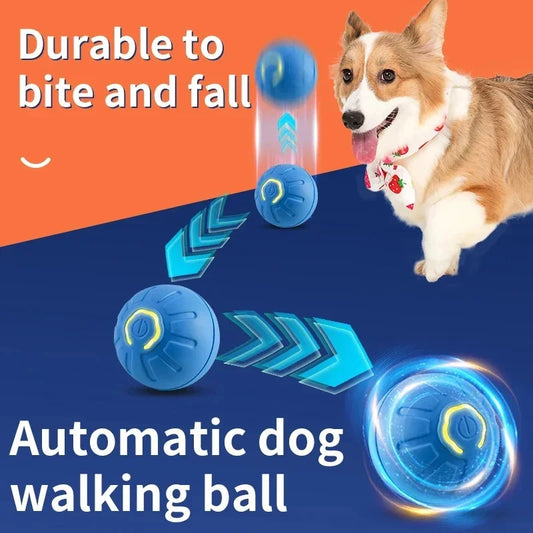
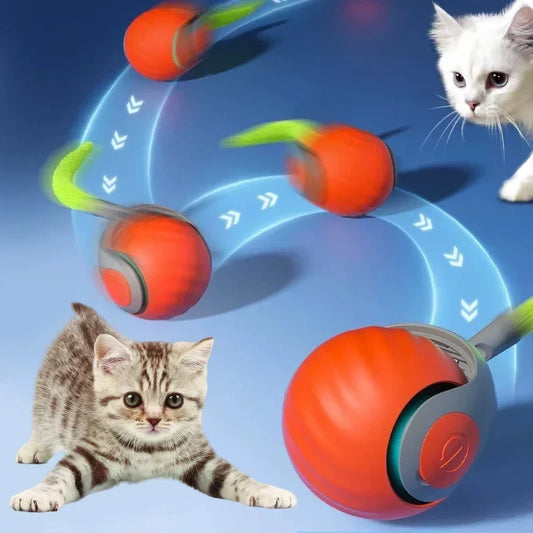
Automatic Moving Interactive Cat/Dog Toys
Free ShippingRegular price From $18.95Regular priceUnit price / perSale price$22.95From $18.95Sale -
Plush Dog Toys - Bite Resistant Squeaky Toy
Free ShippingRegular price From $8.95Regular priceUnit price / perSale price$10.95From $8.95Sale -
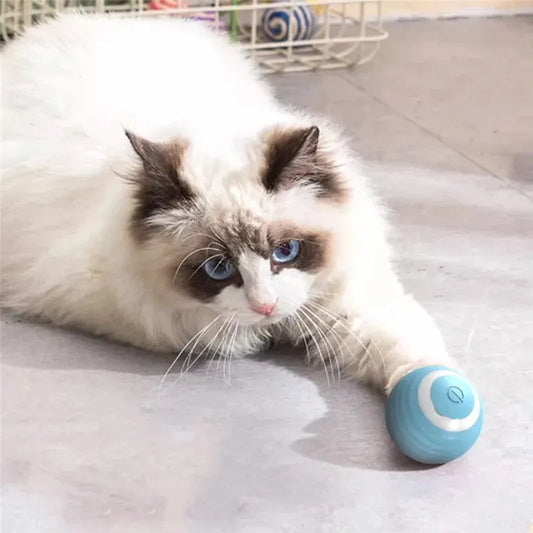
Interactive Cat Toys - Rolling Magic Ball
Free ShippingRegular price From $18.95Regular priceUnit price / perSale price$23.95From $18.95Sale -
Puzzle Dog Toys - Interactive Slow Feeder
Free ShippingRegular price $24.95Regular priceUnit price / perSale price$31.95$24.95Sale -
Chewable Dog Toys– Teeth Cleaning and Interactive
Free ShippingRegular price From $14.95Regular priceUnit price / perSale price$16.95From $14.95Sale
PetCareShed
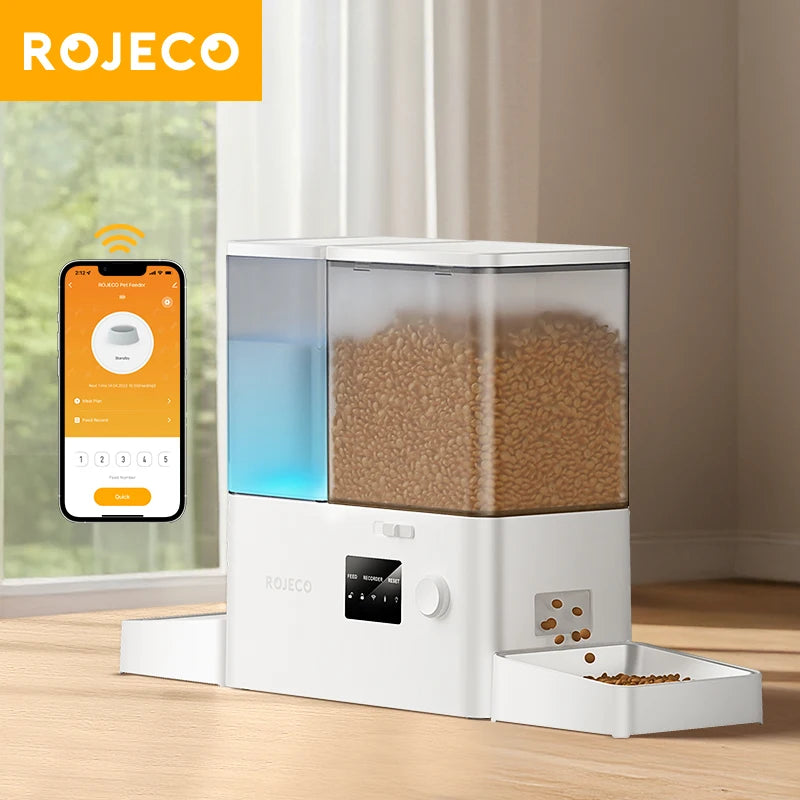
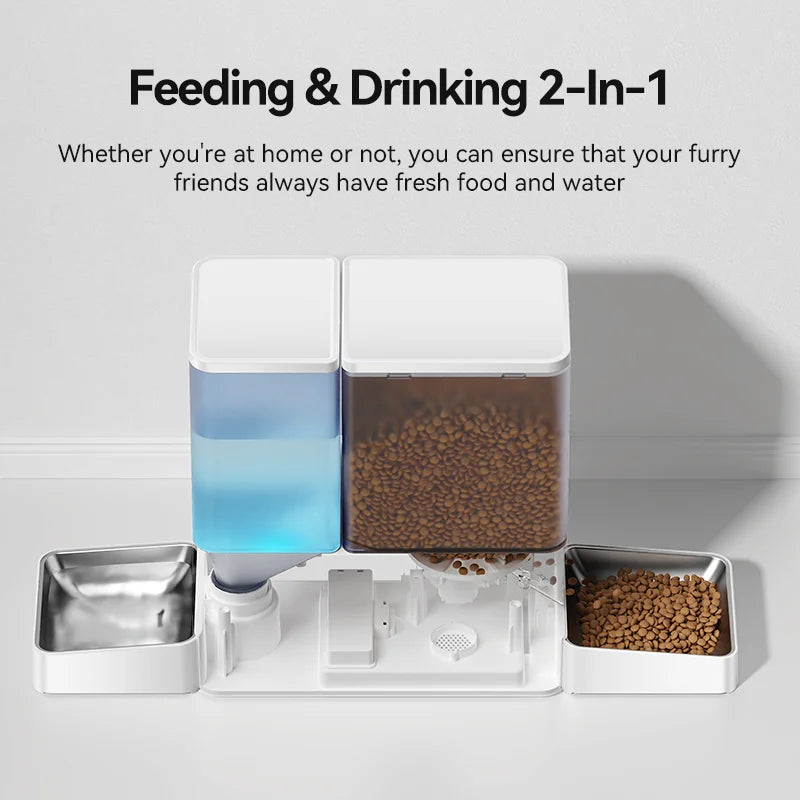
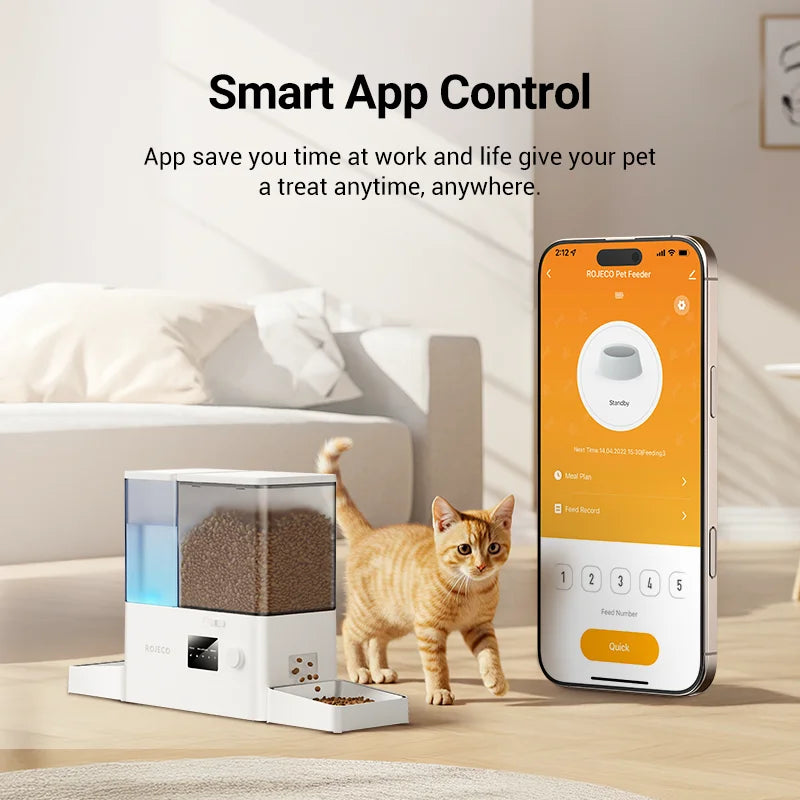
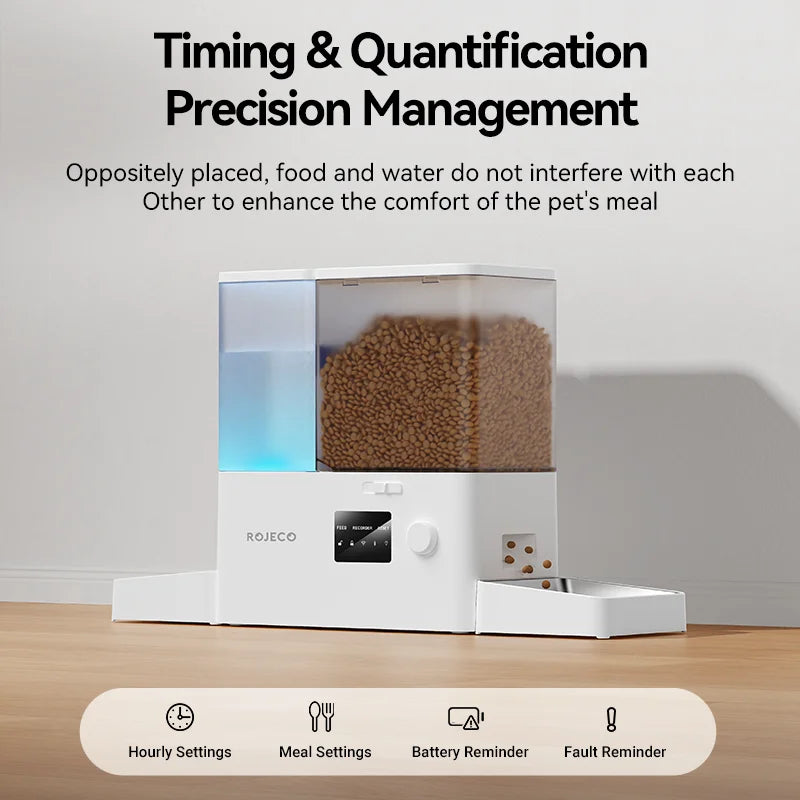
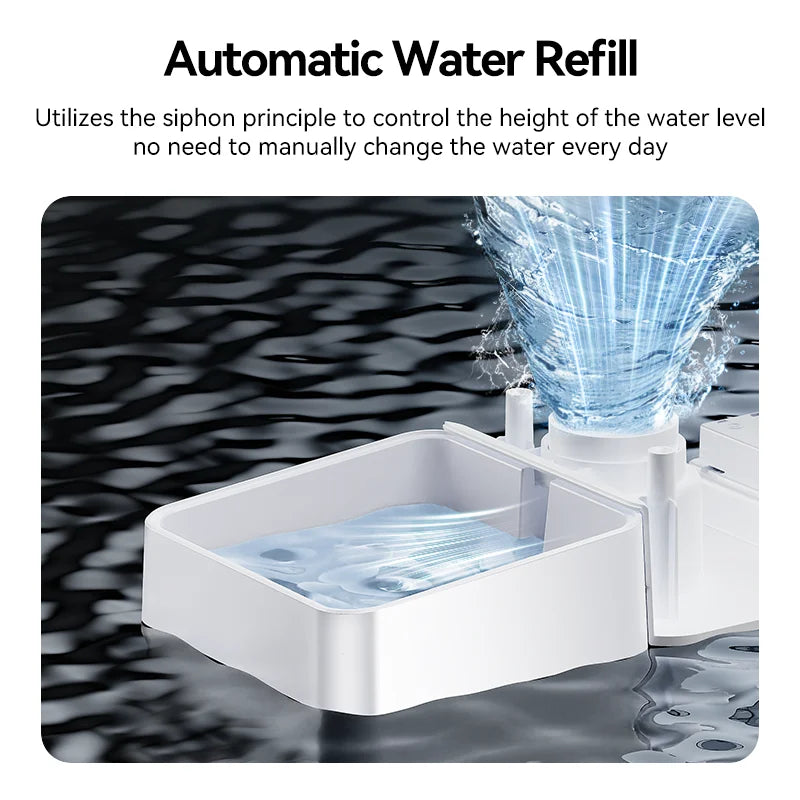
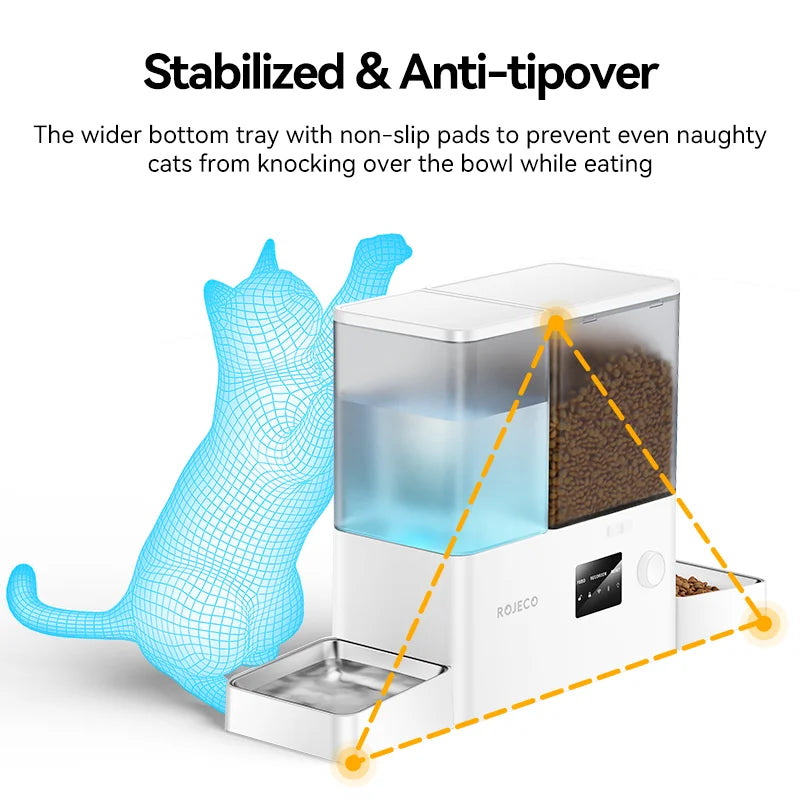
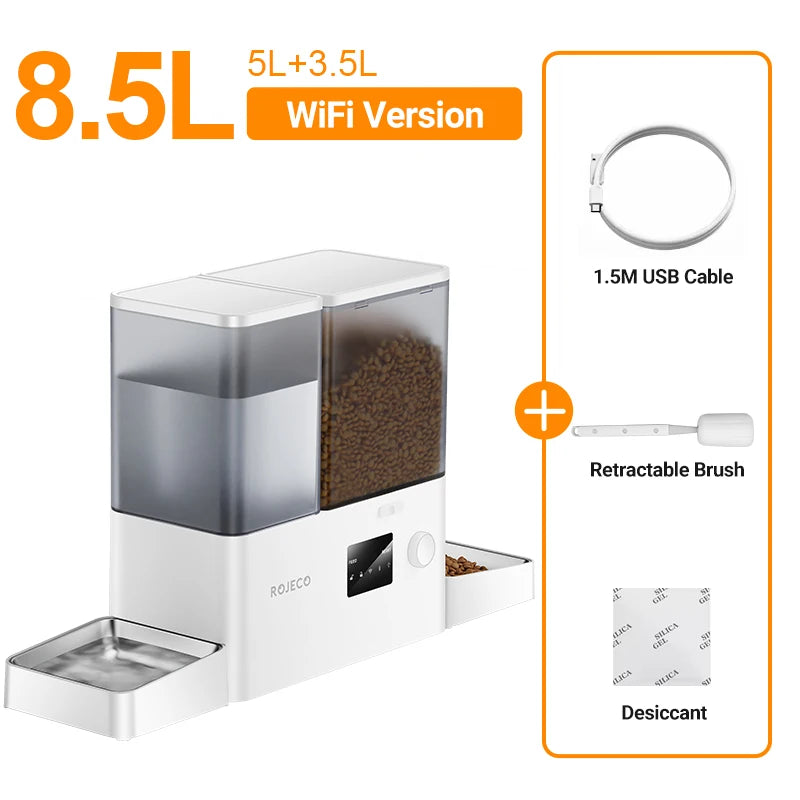
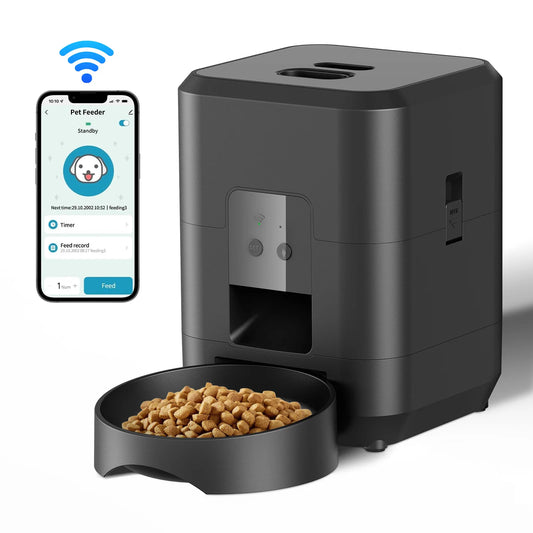
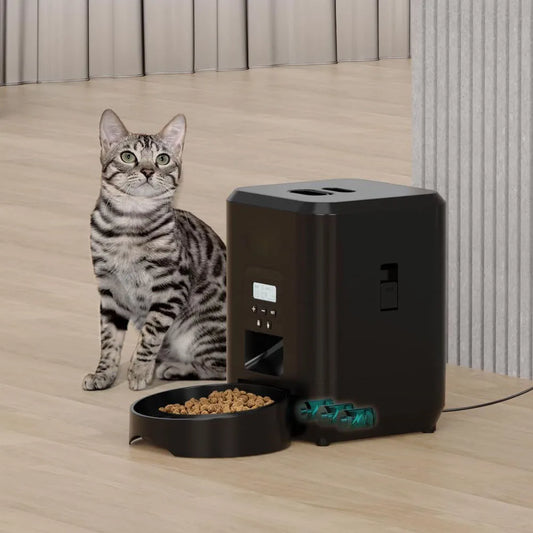
8.5L 2-in-1 Automatic Pet Feeder With Gravity Water Fountain - WiFi Remote Control
Share

Pet Collar, Leash and Harness
-
NO PULL Personalized Dog Harness
Free ShippingRegular price From $35.95Regular priceUnit price / perSale price$44.95From $35.95Sale -
Personalised Dog Collars for Small Medium Large Dogs
Free ShippingRegular price From $25.95Regular priceUnit price / perSale price$33.95From $25.95Sale -
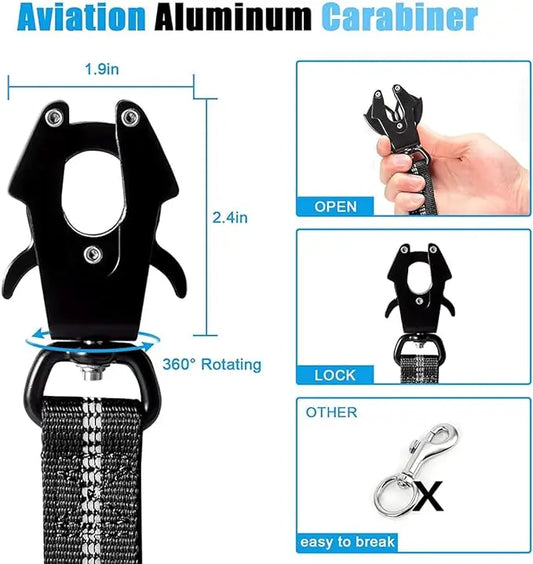
Dog Training Leads and Leashes with Car Seatbelt Attachment
Free ShippingRegular price $39.95Regular priceUnit price / perSale price$52.95$39.95Sale -
Personalised Leather Dog Collars and Leash Set
Free ShippingRegular price From $39.95Regular priceUnit price / perSale price$49.95From $39.95Sale -
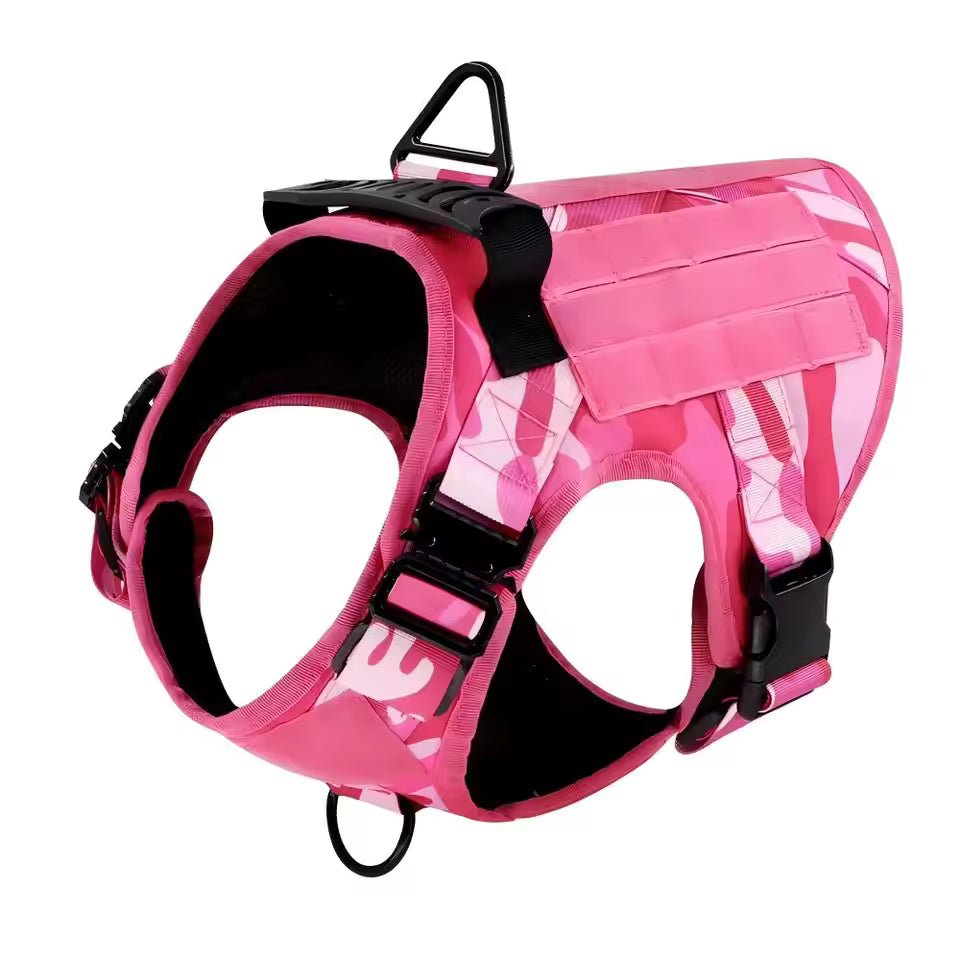
Heavy Duty Tactical Harness with Leash, Molle Pouches for Extra Large Dogs
Free ShippingRegular price From $146.95Regular priceUnit price / perSale price$167.95From $146.95Sale
Pet Bowl and Feeder
-
2L Automatic Smart Pet Feeder
Free ShippingRegular price From $109.95Regular priceUnit price / perSale price$145.95From $109.95Sale -
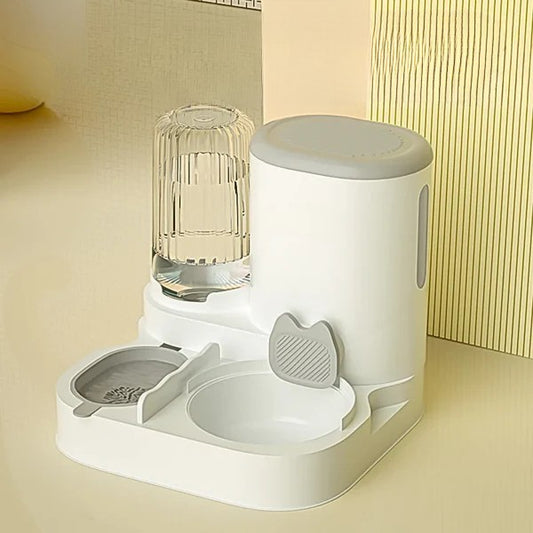
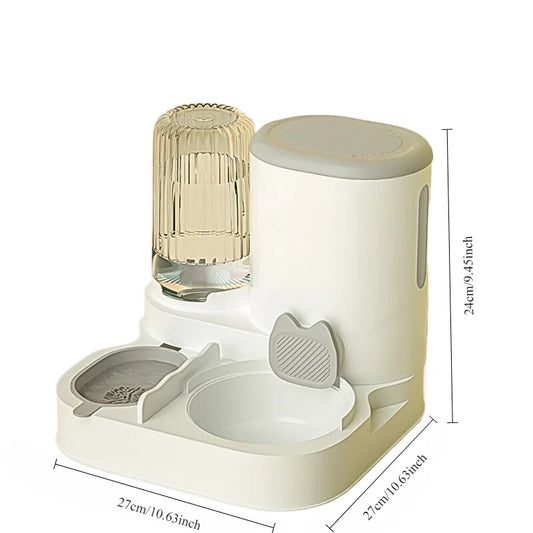
Automatic Gravity Feeder and Drinker Bowl
Free ShippingRegular price $55.95Regular priceUnit price / perSale price$71.95$55.95Sale -
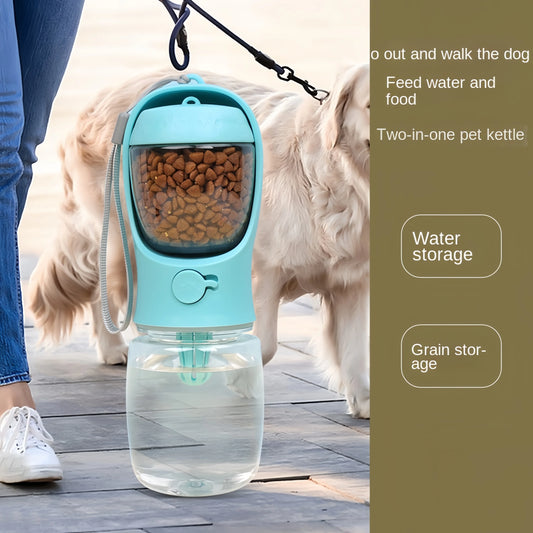
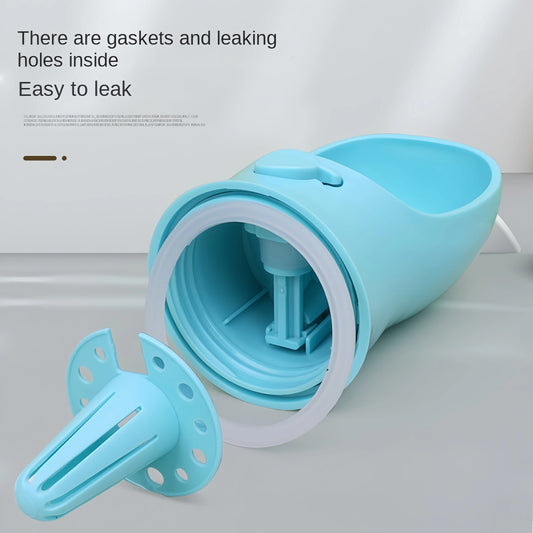
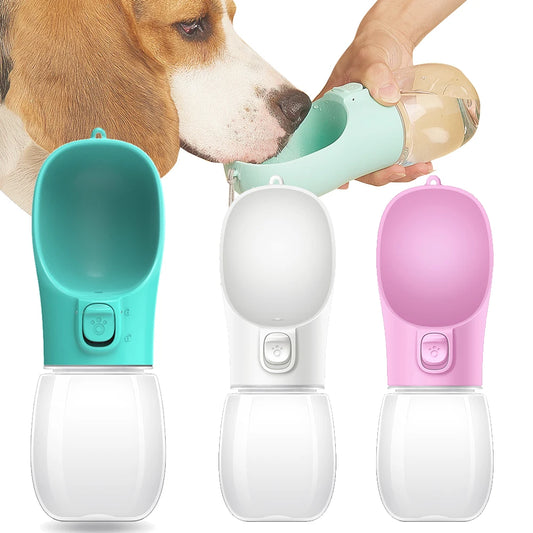
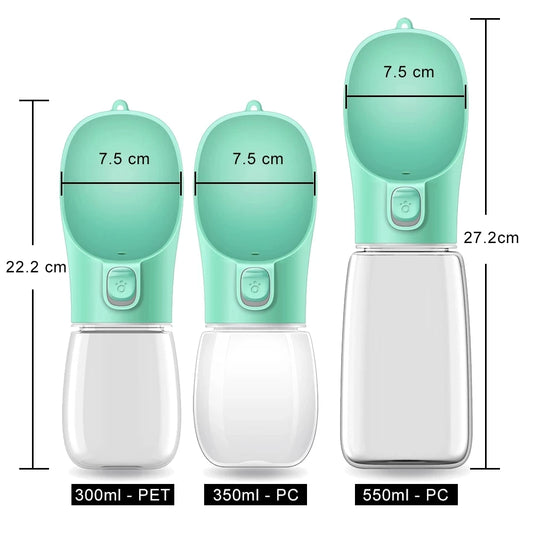
Portable Pet Water Bottle and Feeder Bowl
Free ShippingRegular price From $29.95Regular priceUnit price / perSale price$37.95From $29.95Sale -
Portable Dog Feeder for Food and Water
Free ShippingRegular price From $16.95Regular priceUnit price / perSale price$20.95From $16.95Sold out -
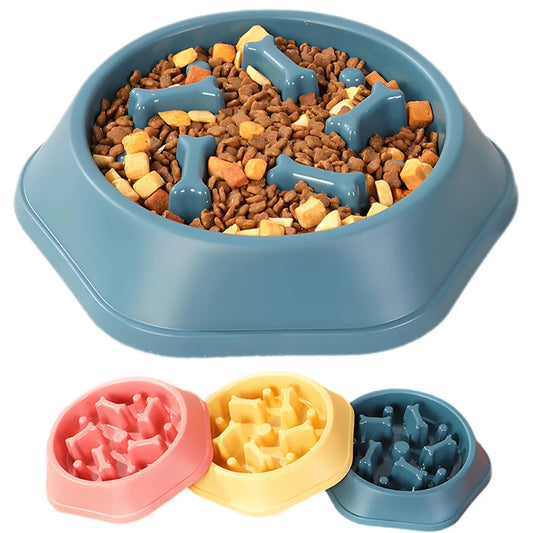
Dog Slow Feeding Bowl for Better Health
Free ShippingRegular price From $15.95Regular priceUnit price / perSale price$19.95From $15.95Sale
Collections
-
Dog Harness
Dog Harnesses That Keep Your Pup Comfortable and Secure Looking for the...
Pet Bed and Mat
-
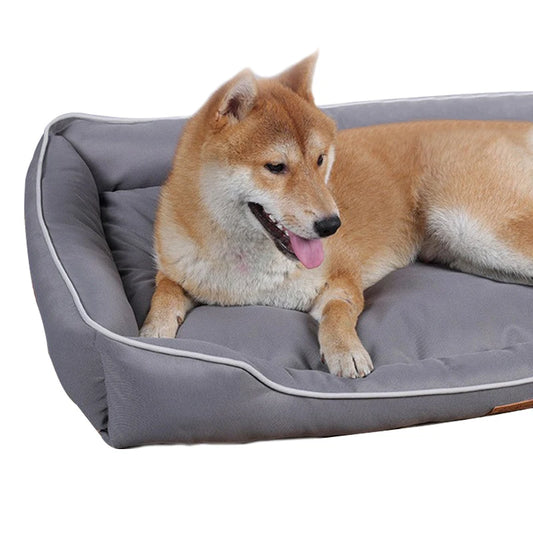
Waterproof Dog Bed 600D Oxford Fabric
Free ShippingRegular price From $49.95Regular priceUnit price / perSale price$61.95From $49.95Sale -
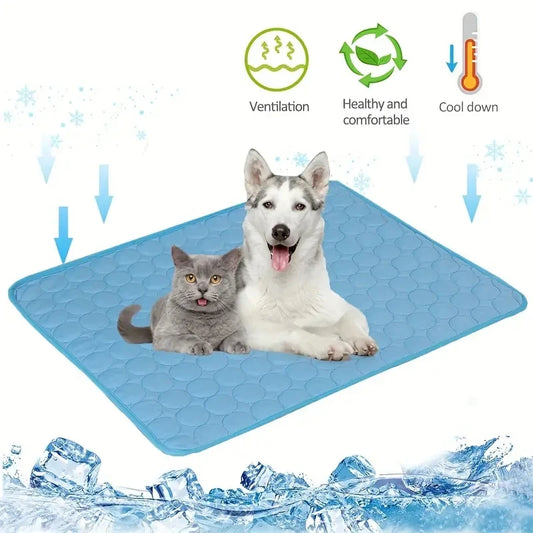
Dog Cooling Mat
Free ShippingRegular price From $23.95Regular priceUnit price / perSale price$29.95From $23.95Sale -
Electric Blanket Washable for Cat and Puppy
Free ShippingRegular price $44.95Regular priceUnit price / perSale price$56.95$44.95Sale -
Waterproof Orthopedic Dog Bed with Washable Cover
Free ShippingRegular price From $89.95Regular priceUnit price / perSale price$109.95From $89.95Sale -
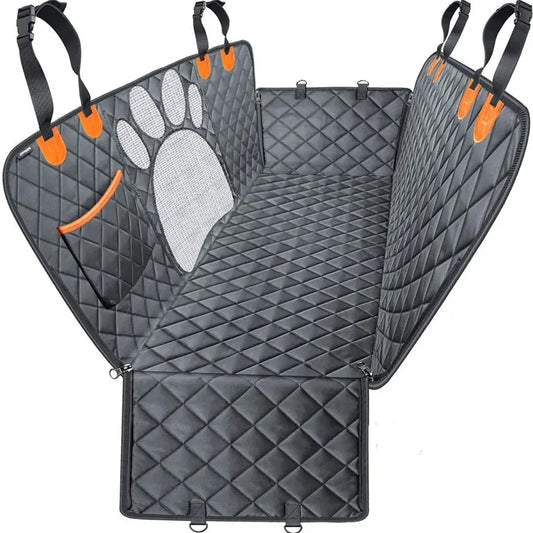
Waterproof Dog Vehicle Hammock
Free ShippingRegular price $94.95Regular priceUnit price / perSale price$119.95$94.95Sale
-
Free shipping
our shipping is free Australia Wide.
-
Guaranteed Purchase
Store registered and with SSL certificate.
-
Secure Payment
Strongly secure environment for payments.
-
Fast Support
Service from Monday to Friday 9am to 5pm.
Pet Grooming
-
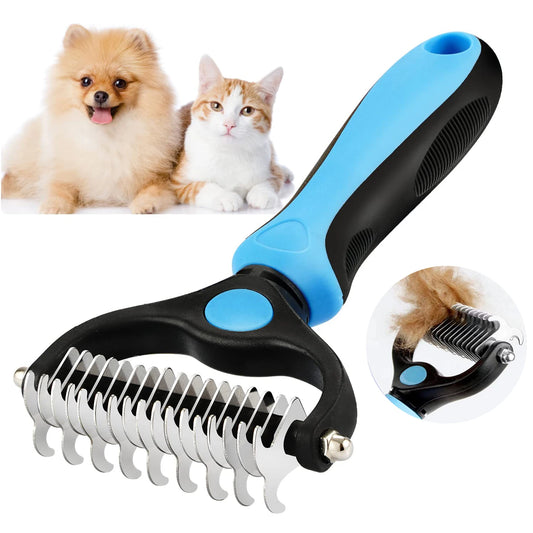
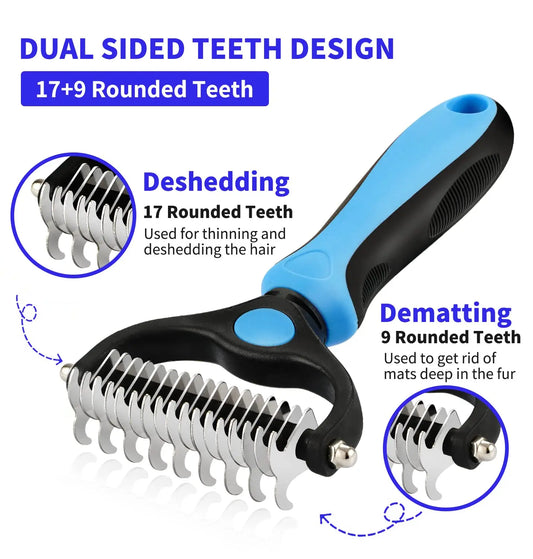
Professional Pet Deshedding Brush Fur Knot Cutter Hair Remover for Dog and Cat
Free ShippingRegular price From $23.95Regular priceUnit price / perSale price$29.95From $23.95Sale -
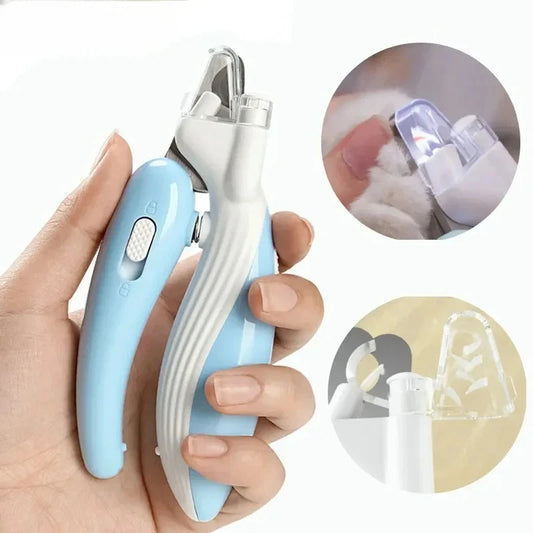
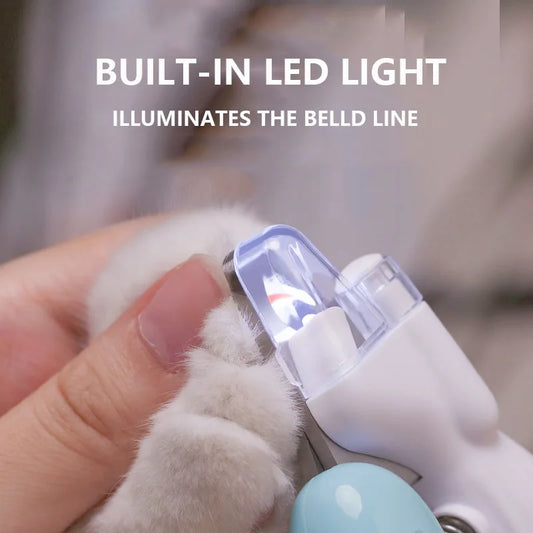
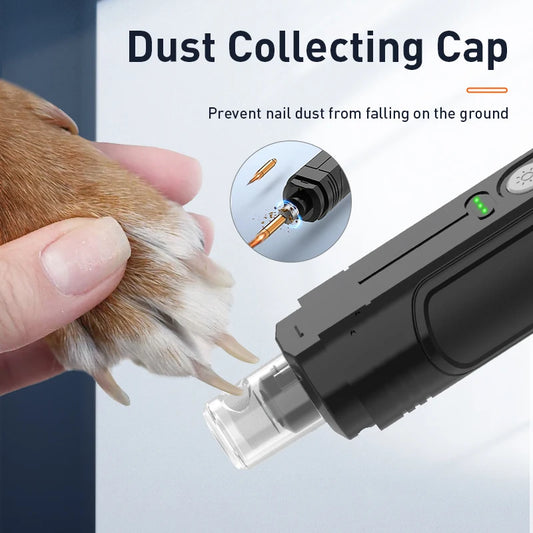
Professional Pet Nail Clippers with Led Light
Free ShippingRegular price $23.95Sale priceUnit price / per$23.95Sale -
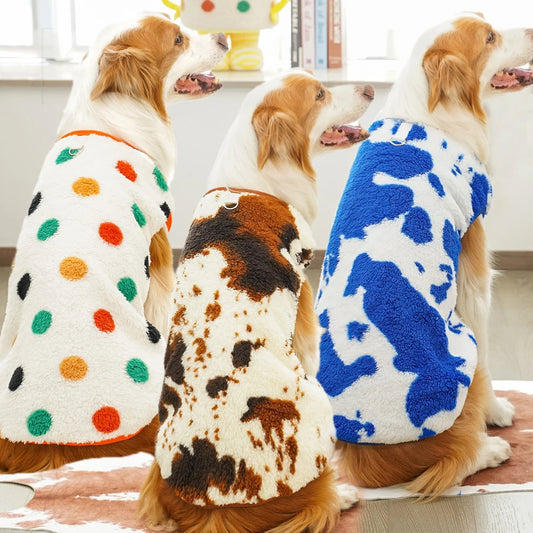
Pet Warm Flannel Clothes Pet Winter Coat for Dog and Cat
Free ShippingRegular price From $20.95Regular priceUnit price / perSale price$25.95From $20.95Sale -
Sold outAutumn and Winter Dog Hoodies
Free ShippingRegular price From $21.95Regular priceUnit price / perSale price$27.95From $21.95Sold out -
Winter Dog Clothes Sport Hoodies Sweatshirts Warm for Small Medium Large Dogs
Free ShippingRegular price From $19.95Regular priceUnit price / perSale price$23.95From $19.95Sale
Subscribe to our emails
Be the first to know about new collections and exclusive offers.
Blog posts
View all-
Automatic Dog Feeder Reviews in Australia: Comm...
Key Takeaways Most automatic dog feeder “failures” are preventable when owners match the feeder to their dog’s size, kibble type, household environment, and internet/power reliability. The most reported problems in...
Automatic Dog Feeder Reviews in Australia: Comm...
Key Takeaways Most automatic dog feeder “failures” are preventable when owners match the feeder to their dog’s size, kibble type, household environment, and internet/power reliability. The most reported problems in Australian homes are food jams, portion inconsistency, pest attraction (especially ants), humidity-related spoilage, and smart features failing due to Wi‑Fi/app issues. Automatic feeders can support routine, but they are not a substitute for daily welfare checks. Owners still need a clear backup plan for missed meals, power outages, and device errors. Hygiene is a real risk area, particularly where food sits in bowls or chutes. Studies link wet food and some bowl materials with higher microbial contamination, making cleaning schedules essential. Sources: PubMed/PMC study on bowl contamination and wet food effects; CDC pet food safety guidance. Australia’s climate matters: heat and humidity accelerate food degradation, and storage guidance commonly recommends keeping pet food in a cool, dry place (often cited as under ~26°C, and avoiding garages/outdoor storage). Sources: Hill’s Pet Nutrition; PD Insurance; PFIAA. PetCareShed’s Handpicked Dog Comforts Introduction Automatic dog feeders have become a common “set-and-forget” purchase for Australian dog owners—particularly for early starts, long commutes, shift work, and households trying to keep feeding consistent across different carers. Many modern feeders also promise precise portion control, remote scheduling, and camera monitoring, which can be genuinely helpful for weight management and routine. However, the Australian review landscape is also full of frustration: missed meals, double serves, kibble stuck in chutes, chewed lids, app outages, loud motors at night, and feeders that attract ants within days. These failures are not just inconvenient. They can create health and welfare risks, especially for dogs needing strict feeding plans (such as those with diabetes, pancreatitis history, food allergies, or obesity). This article brings together the most common failure patterns owners report, explains why they happen, and outlines practical ways to reduce risk in Australian conditions. The goal is not to criticise automation. It is to help owners understand which “bad reviews” reflect genuine design limitations, which are avoidable setup problems, and which indicate that a feeder is the wrong tool for a specific dog or home. Important context: An automatic feeder should be treated as a feeding aid. Owners still have a duty to ensure their dog has access to appropriate food and fresh water, and to check that the feeding plan is being delivered correctly. What Australian Owners Expect From an Automatic Dog Feeder (and Where Reality Differs) Most negative reviews come from a mismatch between expectations and the practical limits of the device. In broad terms, owners expect three things: Reliability (it dispenses the right amount, at the right time, every time) Food protection (it keeps kibble fresh and pest-free) Convenient control (simple programming, and useful alerts if something goes wrong) Reality is more nuanced because automatic feeders sit at the intersection of mechanics, food storage, home environment, and dog behaviour. Reliability is not only “electronics” Owners often blame the app or Wi‑Fi, but many failures are mechanical: Kibble shape and fat content affecting flow Static electricity and fine crumbs building up Moisture causing clumping Misaligned augers or worn gears Bowl position errors or tilt on soft flooring Food protection depends on seals and storage conditions A feeder hopper is not automatically an “airtight pantry”. If the lid does not seal well or the unit vents poorly, kibble can stale faster, and odours can attract pests. Australian sources consistently recommend storing pet food in a cool, dry place and avoiding hot/humid storage locations. Guidance commonly points to keeping conditions under about 26°C where possible, and avoiding garages/outdoor storage. “Convenient control” varies greatly between feeder types Basic timed feeders can be robust, but offer limited oversight. Smart Wi‑Fi feeders add remote control and logs, but introduce failure points (router changes, 2.4 GHz requirements, app permissions, cloud outages, phone updates). Consumer testing and round-ups regularly note that no single feeder is perfect, and tech-heavy features (camera, audio) can be inconsistent across models and environments. Where Comfort Meets Care — PetCareShed’s Feline Picks Common Failures Owners Report (and the Practical Reasons Behind Them) This section is written in “review language”: the problems that most often appear in complaints, followed by the underlying causes and risk controls that suit Australian homes. 1) Missed Feeds: “It didn’t dispense at all” A missed feed is the most serious failure because it can leave a dog without expected nutrition for hours. Reviews often describe waking up to an untouched bowl, or checking the app and discovering a scheduled feed never occurred. Common causes Hopper ran empty earlier than expected (especially in multi-dog households or where a dog learned to access the bowl between meals) Kibble jam at the chute or auger Bowl not seated correctly (some feeders detect bowl position) Power disruption (wall power unplugged, storm outage) Time settings reset after power interruption App schedule not saved correctly after an update or permissions change What makes it more likely in Australia Households that rely on a single power point in a laundry or kitchen area where plugs are bumped Summer storms and local power interruptions Owners travelling or working long shifts without a backup carer Risk controls that actually work Choose a feeder with dual power (mains plus battery backup) where possible. Set a daily visual check: hopper level, bowl placement, and last feed confirmation. Use a secondary “emergency meal” plan, such as a measured portion in a secured container for a neighbour/pet sitter. 2) Double Feeds or Extra Feeds: “It dumped two meals” Owners often report the opposite problem: the feeder dispenses twice, dispenses at the wrong time, or replays a schedule unexpectedly. Common causes App schedule duplicates (AM/PM errors, multiple profiles) Daylight saving or time zone misconfiguration Manual “feed now” used and forgotten Device reconnects and re-syncs incorrectly after internet interruption Why it matters For many dogs, an unexpected extra meal is not just calories. Rapid eating can contribute to vomiting, diarrhoea, and for some dogs may increase risk in conditions where meal timing is important. Practical safeguards Keep schedules simple (e.g., two main meals) and avoid multiple micro-feeds unless medically indicated. Confirm the device time zone and daylight saving setting when clocks change. If your dog is prone to rapid eating, pair automation with slow-feeding strategies (see the related products section later). 3) Portion Inaccuracy: “A ‘cup’ isn’t a cup” Portion complaints are extremely common because most feeders measure by volume rather than weight. Kibble varies significantly in density depending on shape, size, moisture, and fat content. Common causes Kibble pieces bridging in the chute (underfeeding) Crumbs settling and compacting over time (overfeeding) Programming “portions” that represent the device’s internal units, not standard cups Where reviews go wrong Many owners assume the feeder’s “1 cup” equals a standard metric cup. In reality, it often means a number of rotations or a volume chamber. Better approach Calibrate the feeder: dispense 5–10 test portions into a bowl, then weigh the food on kitchen scales and average it. Re-calibrate when you change kibble brands, because density changes. 4) Kibble Jams: “It’s stuck again” Mechanical jams are one of the most consistent complaints across review sites and expert round-ups. What causes jams Oversized kibble relative to chute diameter Irregular shapes that interlock High-oil kibble leaving residue that traps dust Moisture ingress causing clumping Static electricity in very dry indoor environments Australian-specific contributors Coastal humidity can cause kibble to soften and clump. Heat can increase odour and oil migration, making internal surfaces tacky. What reduces jam risk Use kibble size within the feeder’s specification. Keep the hopper sealed and stored away from steam (kettle, dishwasher vents). Clean internal chutes on a schedule (monthly is common; more often in humid homes). 5) Ants, Cockroaches, and Rodents: “It became a pest station” In many Australian households, ants find an automatic feeder quickly, particularly if food is accessible between meals or the bowl is left with crumbs. Why feeders attract pests Consistent food availability Food scent concentrated in one location Warmth from electronics Small crumbs collecting under the unit Storage and pest guidance Australian pet food storage advice commonly recommends sealed containers, indoor storage, and keeping food off the floor to reduce pest access. Practical control measures Place the feeder on a hard, cleanable surface (not carpet). Wipe the floor and feeder base daily during ant season. Avoid leaving “free access” kibble in the bowl unless advised by a veterinarian. Consider feeder location: away from external doors, pet doors, and skirting boards where ants track. 6) Food Staling or Spoiling: “The kibble smells off” Dry food is more stable than wet food, but it still degrades with heat, oxygen, and humidity. Owners often notice their dog becoming less interested in the food after it has been sitting in the hopper, or they detect a stale or rancid smell. What Australian guidance highlights Store pet food in a cool, dry place. Avoid storing bags in hot areas like garages. Use airtight containers to limit oxygen and pests. These themes are strongly reflected in Australian-focused storage guidance. Feeder-specific risk Even if you store the main bag correctly, the hopper becomes a secondary storage container. If the lid seal is poor, it can shorten “freshness time”. Practical steps Refill smaller amounts more often (e.g., 2–4 days’ worth) rather than topping the hopper for weeks. If your home is humid, run air conditioning/dehumidification where feasible during extreme weather. 7) Hygiene and Biofilm Build-Up: “It looks clean, but it isn’t” Reviews sometimes mention mould smell, sticky residue, or “gunk” around the chute. This is not only cosmetic. Research indicates that food bowls can carry microbial contamination, and that wet food and some bowl materials are associated with higher contamination. A study published in 2023 reported that wet food and metal bowls were associated with higher levels of microbiological contamination in dog food bowls. While automatic dog feeders commonly dispense dry food, hygiene still matters because: Oils accumulate in the chute and hopper Crumbs absorb moisture Saliva transfers to bowls and surfaces Baseline hygiene principles (authoritative public guidance) The CDC provides practical pet food safety guidance, including hand hygiene and safe handling to reduce illness risk. Practical cleaning schedule (realistic for busy homes) Daily: Wash the bowl; wipe the base and surrounding floor. Weekly: Clean the chute opening; check for oil residue. Monthly (or fortnightly in humid homes): Deep clean removable hopper parts (as permitted by manufacturer instructions), then dry thoroughly before reassembly. Note: Always follow the feeder’s instructions around water exposure and electronics. Many failures happen after owners rinse non-removable parts. 8) Smart Feature Failures: Wi‑Fi, App, Notifications, and Cameras Smart feeders are often reviewed more harshly because they promise reassurance—yet they can fail in ways that are confusing. Common complaints Feeder goes “offline” intermittently App logs are inaccurate or missing Notifications arrive late or not at all Camera/audio quality is poor or unstable Independent testing and round-ups commonly note variability in smart features and that no feeder is perfect across real-world use. Australian household realities Many devices require 2.4 GHz Wi‑Fi, but homes increasingly use mixed-band systems. Router placement can be challenging in brick construction. Internet interruptions can occur during maintenance or storms. Risk controls Prefer feeders that keep the schedule stored locally so they continue feeding even if Wi‑Fi drops. Test the feeder for two weeks before relying on it when away. 9) Battery Backup Failures: “It died during a blackout” Battery backup is often treated as a box-ticking feature, but it can be the difference between a minor inconvenience and a welfare risk. Typical issues Batteries installed incorrectly Batteries not replaced on schedule Device uses batteries only for clock memory, not full operation Practical approach Set a calendar reminder to replace batteries (e.g., every 3–6 months depending on device). Test by unplugging mains power for a short period and confirming the unit continues normally. 10) Dog-Driven Failures: Chewing, tipping, and “learning the feeder” Some of the worst reviews are written after a dog has physically defeated the feeder. Common dog behaviours that cause failure Chewing lids and hoppers (particularly young dogs and anxious chewers) Pawing buttons to trigger “manual feed” Tipping lightweight units to spill kibble Guarding the feeder from other dogs How to reduce dog-driven failures Choose a feeder with a stable base and, where appropriate, a way to secure it against a wall. Use button locks if available. For multi-dog homes, avoid one shared feeder unless you can supervise; consider separate feeding spaces. Failure-to-Fix Guide: Troubleshooting by Symptom The table below summarises common owner complaints, likely causes, and practical fixes. Keep the fixes conservative—if a unit repeatedly misfeeds, it may be unsuitable for the dog’s needs. Owner complaint Likely cause Practical fix When to stop relying on it Missed feed Jam, empty hopper, power loss Test portions, clean chute, add battery backup Any repeated missed meal for a dog with medical needs Double feed Schedule duplication, time zone/DST error Reset schedule, confirm time zone, reduce “feed now” use Unexplained repeats after reset Portions inconsistent Kibble density/shape changes, crumbs Weigh and calibrate, re-test after food change Weight gain/loss despite “same” settings Ants around feeder Crumbs, bowl access between meals Daily wipe-down, hard flooring, avoid free access Ants entering hopper repeatedly Feeder offline Wi‑Fi band mismatch, weak signal Use 2.4 GHz, move router, prefer local schedule storage Feeder stops feeding when offline Food smells stale Heat/humidity, poor seal Smaller refills, cool indoor placement, clean oils Dog refuses food or GI upset occurs Australia-Specific Risk Factors That Make Feeder Problems More Common Heat waves and indoor temperature spikes Australian summers can push indoor temperatures high, particularly in older homes without insulation or air conditioning. Heat accelerates fat oxidation in kibble and can intensify food odours. Australian advice frequently stresses cool, dry storage and avoiding hot areas such as garages, where temperatures can rise sharply. What this means for feeders A feeder near a sunlit window can become a warm “mini pantry”. Food in the hopper may stale faster than food stored correctly in the original bag. Humidity and coastal living Humidity makes kibble more prone to softening and clumping, which increases jam risk. It also makes residues harder to keep dry. Practical placement tips Avoid placing the feeder near bathrooms, laundries, or kitchens where steam is common. Ensure all cleaned parts are fully dry before reassembly. Ant activity and seasonal surges Ants are a recurring theme in Australian feeder complaints because automatic feeders often create a reliable food source. Pest prevention for feeders is mostly about cleanliness and access control, not chemicals. Power disruptions and storm season Dual power is valuable, but owners should still plan for outages: If you are away for extended periods, arrange someone who can check food and water. If the dog’s needs are strict, consider whether an unattended automatic feeder is appropriate. Are Automatic Dog Feeders Safe? A Practical Welfare and Health Lens Automatic feeders are generally safe when: The dog eats dry food without needing medication mixed into meals The feeder is physically secure and cannot be chewed open Portions are calibrated and weight monitored Hygiene is maintained But “safe” is context-dependent. For some dogs, a missed meal or a double meal is a bigger risk than for others. Dogs that need extra caution Owners should be cautious about relying on unattended automation for dogs that: Require medication timed with meals Have a history of pancreatitis or severe gastrointestinal disease Are prone to rapid eating and regurgitation Are on strict weight-loss plans Have multiple pets competing for food If a feeder is used in these situations, the safest approach is often partial automation (for example, automating one meal while a carer provides the other and confirms intake). Hygiene is a household health issue, not only a dog issue Food bowl and feeding station hygiene can affect people too, particularly households with children, elderly family members, pregnant people, or immunocompromised individuals. Research has highlighted the role of owner practices and dish hygiene in contamination, including the observation that wet food is associated with higher bowl contamination. Public health guidance such as the CDC’s pet food safety recommendations supports a “clean handling” mindset around pet feeding. How to Choose a Feeder That Fails Less Often (Australia-Focused Buying Criteria) Rather than chasing the most features, select the design that best suits your dog and your household conditions. Prioritise these design features Anti-jam design and a chute suitable for your kibble size Sealed hopper lid (helps with staling and pests) Bowl stability (heavy base or secure placement) Dual power (mains + battery backup) Local schedule storage (continues feeding even if Wi‑Fi drops) Button lock (prevents accidental dispensing) Consider these practical questions before buying Does your dog chew plastic items when stressed or bored? Do you live in a high-ant area or have a history of pantry pests? Is your Wi‑Fi stable where the feeder will be placed (through brick walls, at floor level)? Are you comfortable calibrating portions with kitchen scales? Will the feeder be used occasionally, or will it become the primary feeding method? Avoid common purchase mistakes Buying a feeder that only suits small kibble for a large-breed diet Placing the unit in a hot garage or outdoor area Filling the hopper for weeks at a time in humid weather Using automation to avoid arranging check-ins when away Setup and Maintenance Checklist (Designed for Busy Australian Homes) A feeder is most reliable when the owner treats setup as a short “commissioning process” rather than a one-time plug-in. First 14 days: commissioning phase Run the feeder while you are home. Test multiple dispenses and weigh output. Observe your dog’s interaction (tipping, pawing, chewing). Confirm it keeps working during a planned internet outage (turn Wi‑Fi off briefly) and a planned power test (unplug mains if battery backup is installed). Ongoing weekly routine Refill smaller amounts more often. Wash bowl and wipe surrounding floor. Inspect the chute for oil residue and crumbs. Monthly routine Deep clean removable components. Recalibrate if you change kibble. Check battery condition and replace on schedule. Recommended Related Products from PetCareShed The products below are suggested as practical complements to automatic feeding, particularly to reduce common failure consequences (speed eating, spills, hygiene issues, and pet competition). These are described as categories so you can match the option to your dog’s size and household. Slow feeder bowl (dog): Useful if an automatic feeder’s portions are correct but your dog eats too quickly. Slower eating can reduce regurgitation and help dogs feel satisfied. Non-slip feeding mat: Helps stabilise bowls and reduces sliding on tiles—especially relevant where owners report tipping or food scatter. Stainless steel dog bowl (spare): A second bowl supports daily hygiene (swap and wash) and provides backup if the feeder bowl is in the dishwasher. Airtight pet food storage container: Supports Australian heat/humidity management and helps deter pests by improving sealing compared to open bags. Treat puzzle toy or enrichment feeder: Helps reduce boredom-driven chewing or “feeder obsession” in dogs that fixate on the dispenser. Raised feeding stand (where appropriate): Can assist some dogs with comfort and helps keep the feeding zone tidy, though it should be chosen carefully for the dog’s size and veterinary advice. When Not to Use an Automatic Dog Feeder (or When to Use It Only as a Backup) Automatic feeders are not ideal in every situation. Consider avoiding primary reliance when: Your dog has a medical condition requiring strict meal supervision You have a multi-dog household with food competition or guarding Your dog has a strong history of chewing through containers Your home environment has persistent pest pressure that you cannot control The feeder model you own has already produced repeated missed or extra feeds A balanced approach can be safer: Use automation for one meal a day Keep the other meal supervised Maintain a clear backup plan (trusted person with instructions and measured food) Interpreting Automatic Dog Feeder Reviews: A “Read Between the Lines” Guide Not all negative reviews signal a defective product. Many are “use-case failures.” Reviews that often reflect setup or match issues “The portion sizes are wrong” (often calibration) “It jammed” (often kibble size or humidity) “The app is confusing” (often permissions and Wi‑Fi band issues) “Ants got into it” (often placement and crumbs) Reviews that may indicate a genuine design problem Repeated missed feeds even with correct kibble and cleaning Schedule resets after minor outages Hopper lid that cannot seal properly Buttons that dispense without a lock feature in a household with curious dogs Reviews that should be weighted heavily for Australian buyers Comments mentioning humidity, coastal living, summer heat, ants, and power outages Evidence of long-term use (6–12 months), not only “just unboxed” impressions FAQ: Automatic Dog Feeder Failures and Fixes (Australia) What is the most common automatic dog feeder failure owners report? Food dispensing problems are the most disruptive—either missed feeds (often due to jams, empty hoppers, or power disruption) or portion inconsistency (volume-based portions not matching cups). Smart feature failures (Wi‑Fi/app issues) are also frequently mentioned, but they are not always the root cause of missed meals. Why does my feeder jam even though the kibble is “standard” size? “Standard” kibble varies widely. Jams commonly occur when kibble pieces interlock, when crumbs build up, or when humidity causes softening and clumping. In Australia, coastal humidity and warm indoor conditions can increase the chance of clumping. Keeping the hopper sealed, cleaning the chute, and using kibble within the feeder’s specifications reduce the risk. Are Wi‑Fi feeders unreliable in Australia? They can be reliable, but they introduce more points of failure. Many smart feeders require 2.4 GHz Wi‑Fi and a stable signal at floor level. Brick walls and router placement can reduce reliability. Prefer feeders that continue feeding on a stored schedule even if Wi‑Fi drops, and test performance before relying on the unit while away. Can an automatic feeder make my dog gain weight? Yes, if portions are not calibrated or if the feeder dispenses extra meals due to schedule duplication or “feed now” misuse. Many feeders measure by internal portion units rather than standard cups. The safest method is to weigh dispensed food with kitchen scales and monitor body condition and weight over time. How often should an automatic dog feeder be cleaned? At minimum, the bowl should be washed daily, and chute openings should be inspected and wiped weekly. Deep cleaning frequency depends on humidity and food oiliness, but monthly is a common baseline. Hygiene matters because studies have found dog bowls can carry microbial contamination, with wet food associated with higher contamination levels. Is it safe to put wet food in an automatic feeder? Most common automatic dog feeders are designed for dry food. Wet food presents higher spoilage and hygiene risks if left out, especially in warm conditions. Public food safety guidance emphasises temperature control for perishable foods, and the CDC provides pet food safety handling advice. How do I stop ants getting into the feeder? Use a combined approach: Place the feeder on hard flooring and wipe daily Remove leftover crumbs after each feed Avoid free-access kibble in the bowl if ants are active Store bulk food in airtight containers and keep areas clean Australian pet food storage guidance commonly stresses cool, dry, pest-resistant storage practices. Should I fill the hopper for weeks at a time? In many Australian homes, it is safer to refill smaller amounts more frequently. Heat and humidity can accelerate staling and odour, and a full hopper can be harder to keep fresh. Storage guidance generally recommends cool, dry conditions and avoiding hot storage locations. What backup plan should I have if the feeder fails? A sensible backup plan includes: Battery backup (where supported) A trusted person who can check the dog if you are away Clear written feeding instructions and a measured emergency portion Fresh water available in a stable bowl For dogs with strict medical needs, consider supervised feeding rather than unattended automation. Can my dog break into the feeder? Some dogs can. Chewing, tipping, and pawing buttons are common. Select a feeder with a stable base and button locks, place it where it cannot be tipped easily, and use enrichment (such as puzzle toys) to reduce boredom-driven attempts. How can I tell if negative reviews reflect a defective unit or user error? Look for patterns: If many owners report the same failure repeatedly, it may indicate design limitations. If the complaint is about portion size, Wi‑Fi setup, or ant issues, it may reflect environment and setup. Reviews that include the owner’s kibble type/size, cleaning routine, and climate conditions are generally more reliable for Australian decision-making.
-
Dog Bed Reviews in Australia for Large Dogs: Sa...
Large dogs bring a particular set of bedding challenges. Their weight concentrates on pressure points such as elbows, hips, and shoulders. Many large breeds also carry predispositions to joint problems,...
Dog Bed Reviews in Australia for Large Dogs: Sa...
Large dogs bring a particular set of bedding challenges. Their weight concentrates on pressure points such as elbows, hips, and shoulders. Many large breeds also carry predispositions to joint problems, and even healthy adults can develop stiffness if they repeatedly sleep on surfaces that flatten or sag. For Australian dog owners, the challenge is amplified by local conditions: hot summers that can soften certain foams, humid coastal climates that increase odour and mould risk in fabrics, and the outdoor lifestyle that means many dogs bring grit, sand, and moisture onto their bedding.
-
Dog Bed Reviews in Australia for Anxious Dogs: ...
Dog bed marketing in Australia has shifted noticeably in the last few years. Many beds are now promoted as calming, anti-anxiety, or therapeutic, often using language that suggests they can...
Dog Bed Reviews in Australia for Anxious Dogs: ...
Dog bed marketing in Australia has shifted noticeably in the last few years. Many beds are now promoted as calming, anti-anxiety, or therapeutic, often using language that suggests they can meaningfully change a dog’s emotional state. Some of these beds do provide comfort—particularly for dogs that like to curl up, lean against a border, or “nest” with their paws. However, many Australian dog owners discover a frustrating reality: the bed arrives, looks soft and inviting, and the dog still paces, pants, barks, scratches, refuses to settle, or sleeps elsewhere.
- Choosing a selection results in a full page refresh.
- Opens in a new window.