
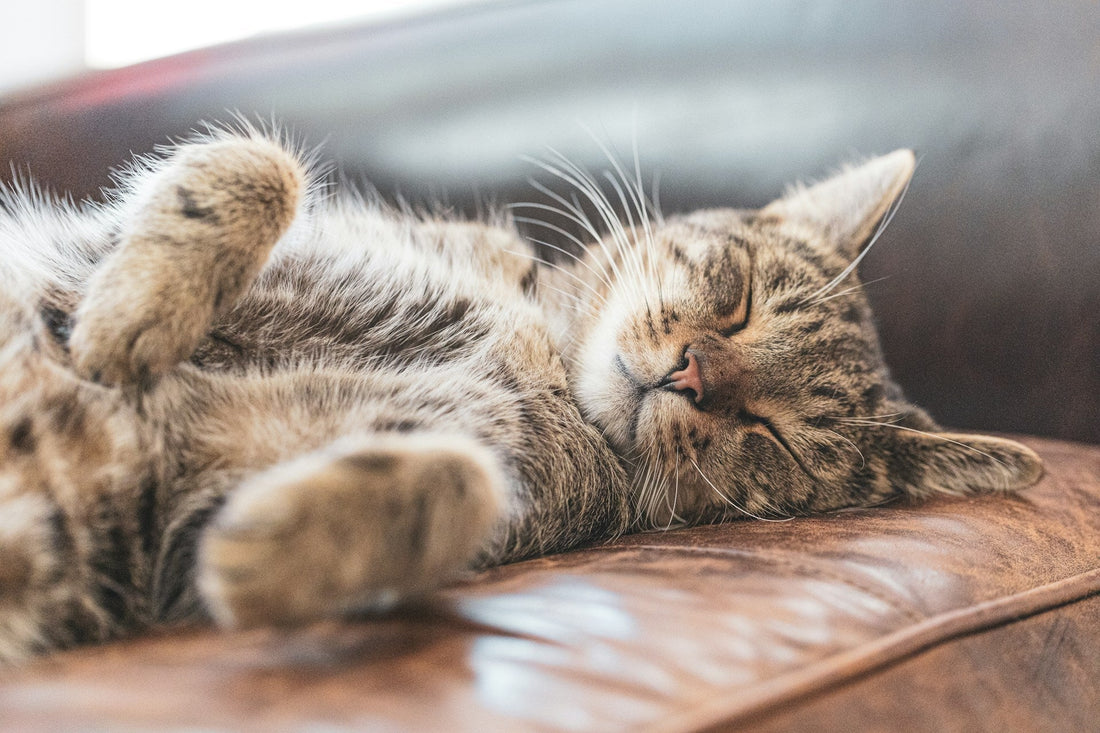
A Complete Guide to Understanding Your Cat’s Nocturnal Sleeping Preferences
Table of Contents
- Introduction: Why Understanding Nighttime Habits Matters
- The Science Behind Feline Sleep Patterns
- Where Do Cats Like to Sleep at Night? A Look at Their Top Spots
- Unusual Sleeping Places Cats Love (and Why)
- Factors That Influence Where Your Cat Sleeps at Night
- Should You Let Your Cat Sleep in Your Bed?
- Pros and Cons of Common Cat Sleeping Spots
- The Evolutionary History of Cat Sleeping Preferences
- How to Choose the Best Sleeping Spot for Your Cat
- Conclusion: A Better Night's Sleep for You and Your Cat
Introduction: Why Understanding Nighttime Habits Matters
Cats are mysterious creatures, and few behaviors are more puzzling (or adorable) than where they choose to sleep at night. As a cat owner, understanding your feline friend’s sleeping habits can help you make more informed choices about their bedding, behavior, health, and overall happiness.
“Sleep is the golden chain that ties health and our bodies together.” — Thomas Dekker
But where do cats like to sleep at night? And what does their sleeping location tell you about their comfort, stress levels, or your home environment?
The Science Behind Feline Sleep Patterns
Cats sleep an average of 12–16 hours a day, with some senior cats reaching up to 20 hours. However, cats are crepuscular—most active at dawn and dusk. That means their “night” doesn’t always align with yours.
Key characteristics of feline sleep:
- Light sleeping: Cats are alert even when dozing and can wake in seconds.
- Polyphasic: Unlike humans who sleep in one long stretch, cats nap throughout the day and night in multiple short bursts.
- Body temperature regulation: Cats often seek out warm spots to conserve energy during sleep.
Understanding this helps decode why they prefer certain locations at night.
Where Do Cats Like to Sleep at Night? A Look at Their Top Spots
While every cat is different, here are some of the most commonly favored nighttime sleep locations:
🛏️ 1. On Their Human's Bed
Cats often sleep on or beside their owners, especially near the feet, chest, or head. This behavior signals trust and affection. It’s also about warmth and safety.
“If your cat sleeps on you, consider it a high compliment.” — PetMD
🪟 2. Windowsills and Perches
Elevated spots near windows are popular. Cats enjoy moonlight, a soft breeze, and nocturnal outdoor activity. It’s also instinctive—wild cats sleep in high places for safety.
🧺 3. Inside Laundry Baskets or Boxes
Small, enclosed spaces create a sense of security and warmth. Your cat might seek out a laundry basket filled with your scent or a cardboard box tucked in a quiet corner.
🪑 4. Under Furniture
Especially during colder months or times of stress, cats gravitate under beds, couches, or cabinets—places that are dark and undisturbed.
🐾 5. Dedicated Cat Beds
Many cats sleep in cozy cat beds—especially those with raised edges, hoods, or self-warming materials. Beds placed in quiet rooms away from household traffic are often preferred.
Unusual Sleeping Places Cats Love (and Why)
Cats can surprise you with odd nighttime sleep choices. Here are some quirky but common picks:
- On electronics (modems, laptops): Attracted to warmth.
- In the bathtub: Cool, quiet, and undisturbed.
- Inside wardrobes: Dark and insulated, often with soft clothing.
- On top of refrigerators: High vantage point, warm motor underneath.
These choices often relate to temperature regulation, scent attraction, and a cat’s instinct to hide while resting.
Factors That Influence Where Your Cat Sleeps at Night
Multiple factors influence your cat's sleeping decisions:
1. Temperature
Cats naturally seek warm spots. In winter, they might snuggle in beds or heated pads. In summer, they often stretch out on cool tiles or bathtubs.
2. Noise and Activity
If the house is noisy or active at night, cats may retreat to quieter rooms. If it’s peaceful, they may sleep near you.
3. Scent and Familiarity
Cats are deeply scent-driven. They are likely to sleep where your scent is present—your clothes, your bed, or near their favorite blanket.
4. Territorial Comfort
Cats establish “safe zones.” Once a spot becomes part of their routine, they often return nightly—unless disrupted by a change (like a new pet or rearranged furniture).
Should You Let Your Cat Sleep in Your Bed?
There’s ongoing debate about this. Here’s what to consider:
✅ Pros:
- Bonding: Strengthens trust and emotional connection.
- Warmth: Great for winter cuddles.
- Security for cat: Reduces anxiety in many cats.
❌ Cons:
- Allergies: Can worsen symptoms.
- Sleep disruption: Cats may move, knead, or vocalize during the night.
- Hygiene: Outdoor cats may track in dirt or parasites.
“About 62% of cats sleep with their adult humans at night.”
— American Pet Products Association, 2021
Ultimately, it's about your health, your cat’s behavior, and mutual comfort.
Pros and Cons of Common Cat Sleeping Spots
| Location | Pros | Cons |
|---|---|---|
| Human Bed | Warm, bonding, familiar scent | Disturbs sleep, hygiene issues |
| Window Perch | Visual stimulation, elevation | Exposure to outdoor noise/light |
| Enclosed Bed | Security, insulation | May get too warm in summer |
| Bathtub | Cool, undisturbed | Inconvenient for humans |
| Laundry Basket | Soft, human scent | May contain detergents or hazards |
| Cat Tree Platform | Height, safety | Less padded than traditional beds |
The Evolutionary History of Cat Sleeping Preferences
Cats' modern sleeping habits trace back to their wild ancestors, like the African wildcat. These felines:
- Slept in burrows, dense grass, or rocky crevices to hide from predators.
- Preferred elevated or enclosed spaces for safety and warmth.
- Were most active during dusk and dawn to avoid midday predators.
Domesticated cats still retain these instincts. Your cat’s sleeping preferences reflect a deep-rooted biological blueprint shaped by survival strategies.
How to Choose the Best Sleeping Spot for Your Cat
To help your cat sleep better at night—and stay out of your bathtub—consider these tips:
✔️ Provide Variety
Offer multiple bed types: an open mat, a hooded hideaway, a perch near a window. Your cat will choose what suits the season and their mood.
✔️ Prioritize Location
Place beds in areas that are:
- Quiet and low-traffic
- Near heat sources (in winter)
- Elevated or enclosed for a sense of safety
✔️ Use Familiar Scents
Add an unwashed shirt or favorite blanket to a new bed to encourage use.
✔️ Consider Age and Health
Older cats or those with arthritis may need orthopedic or heated beds.
✔️ Encourage Routine
Cats thrive on consistency. Keep the bed in the same spot to build a nighttime routine.
“Cats like predictability. If you want your cat to sleep in a specific bed, stick to a predictable location and routine.”
— Dr. Mikel Delgado, Certified Cat Behaviorist
Conclusion: A Better Night's Sleep for You and Your Cat
Knowing where cats like to sleep at night gives us a window into their world—one guided by instinct, comfort, and a touch of feline quirkiness. By understanding their natural preferences, we can create sleep environments that promote relaxation and reinforce the bond we share with our pets.
Whether your cat loves your pillow, a perch by the window, or the inside of a shoebox, every sleeping choice tells a story about their needs and trust in you.
Supporting Your Cat’s Sleep with the Right Essentials
If you’re now rethinking where your cat sleeps at night, you’re not alone. Providing your feline with the right kind of sleeping spot can dramatically improve their nighttime comfort—and even reduce those 3 a.m. wake-up zoomies.
At PetCareShed, we understand the subtle cues behind your cat’s behavior. That’s why we offer a carefully curated range of products that align with their natural sleeping preferences:
- Orthopedic Cat Beds – Perfect for senior cats or those needing extra joint support. These beds are designed with memory foam that contours to your cat’s body, helping them rest deeper and longer.
- Window Perch Hammocks – If your cat enjoys moonlit views and outdoor sounds, a perch by the window gives them a secure, elevated spot to snooze while keeping an eye on the world.
- Self-Warming Cat Mats – Ideal for cooler nights, these mats retain and reflect body heat without the need for electricity—mimicking the warmth of a sunbeam even in winter.
- Cat Cave Beds – Designed for cats who crave security, these beds simulate a cozy den where they can feel safe, hidden, and undisturbed.
- Multi-Level Cat Trees with Sleeping Platforms – Offer elevation, exercise, and a quiet retreat all in one. These are especially loved by agile cats who appreciate a high vantage point.
Each of these sleep solutions is crafted with your cat’s comfort, safety, and instinctual habits in mind. Whether your furry friend prefers the quiet of a tucked-away corner or the height of a lookout tower, giving them a tailored sleep environment supports healthier rest and a calmer household.
Because when your cat sleeps better—you do too.