Pet Supplies

Automatic Dog Feeder Reviews in Australia: Comm...
Key Takeaways Most automatic dog feeder “failures” are preventable when owners match the feeder to their dog’s size, kibble type, household environment, and internet/power reliability. The most reported problems in...
Automatic Dog Feeder Reviews in Australia: Comm...
Key Takeaways Most automatic dog feeder “failures” are preventable when owners match the feeder to their dog’s size, kibble type, household environment, and internet/power reliability. The most reported problems in Australian homes are food jams, portion inconsistency, pest attraction (especially ants), humidity-related spoilage, and smart features failing due to Wi‑Fi/app issues. Automatic feeders can support routine, but they are not a substitute for daily welfare checks. Owners still need a clear backup plan for missed meals, power outages, and device errors. Hygiene is a real risk area, particularly where food sits in bowls or chutes. Studies link wet food and some bowl materials with higher microbial contamination, making cleaning schedules essential. Sources: PubMed/PMC study on bowl contamination and wet food effects; CDC pet food safety guidance. Australia’s climate matters: heat and humidity accelerate food degradation, and storage guidance commonly recommends keeping pet food in a cool, dry place (often cited as under ~26°C, and avoiding garages/outdoor storage). Sources: Hill’s Pet Nutrition; PD Insurance; PFIAA. PetCareShed’s Handpicked Dog Comforts Introduction Automatic dog feeders have become a common “set-and-forget” purchase for Australian dog owners—particularly for early starts, long commutes, shift work, and households trying to keep feeding consistent across different carers. Many modern feeders also promise precise portion control, remote scheduling, and camera monitoring, which can be genuinely helpful for weight management and routine. However, the Australian review landscape is also full of frustration: missed meals, double serves, kibble stuck in chutes, chewed lids, app outages, loud motors at night, and feeders that attract ants within days. These failures are not just inconvenient. They can create health and welfare risks, especially for dogs needing strict feeding plans (such as those with diabetes, pancreatitis history, food allergies, or obesity). This article brings together the most common failure patterns owners report, explains why they happen, and outlines practical ways to reduce risk in Australian conditions. The goal is not to criticise automation. It is to help owners understand which “bad reviews” reflect genuine design limitations, which are avoidable setup problems, and which indicate that a feeder is the wrong tool for a specific dog or home. Important context: An automatic feeder should be treated as a feeding aid. Owners still have a duty to ensure their dog has access to appropriate food and fresh water, and to check that the feeding plan is being delivered correctly. What Australian Owners Expect From an Automatic Dog Feeder (and Where Reality Differs) Most negative reviews come from a mismatch between expectations and the practical limits of the device. In broad terms, owners expect three things: Reliability (it dispenses the right amount, at the right time, every time) Food protection (it keeps kibble fresh and pest-free) Convenient control (simple programming, and useful alerts if something goes wrong) Reality is more nuanced because automatic feeders sit at the intersection of mechanics, food storage, home environment, and dog behaviour. Reliability is not only “electronics” Owners often blame the app or Wi‑Fi, but many failures are mechanical: Kibble shape and fat content affecting flow Static electricity and fine crumbs building up Moisture causing clumping Misaligned augers or worn gears Bowl position errors or tilt on soft flooring Food protection depends on seals and storage conditions A feeder hopper is not automatically an “airtight pantry”. If the lid does not seal well or the unit vents poorly, kibble can stale faster, and odours can attract pests. Australian sources consistently recommend storing pet food in a cool, dry place and avoiding hot/humid storage locations. Guidance commonly points to keeping conditions under about 26°C where possible, and avoiding garages/outdoor storage. “Convenient control” varies greatly between feeder types Basic timed feeders can be robust, but offer limited oversight. Smart Wi‑Fi feeders add remote control and logs, but introduce failure points (router changes, 2.4 GHz requirements, app permissions, cloud outages, phone updates). Consumer testing and round-ups regularly note that no single feeder is perfect, and tech-heavy features (camera, audio) can be inconsistent across models and environments. Where Comfort Meets Care — PetCareShed’s Feline Picks Common Failures Owners Report (and the Practical Reasons Behind Them) This section is written in “review language”: the problems that most often appear in complaints, followed by the underlying causes and risk controls that suit Australian homes. 1) Missed Feeds: “It didn’t dispense at all” A missed feed is the most serious failure because it can leave a dog without expected nutrition for hours. Reviews often describe waking up to an untouched bowl, or checking the app and discovering a scheduled feed never occurred. Common causes Hopper ran empty earlier than expected (especially in multi-dog households or where a dog learned to access the bowl between meals) Kibble jam at the chute or auger Bowl not seated correctly (some feeders detect bowl position) Power disruption (wall power unplugged, storm outage) Time settings reset after power interruption App schedule not saved correctly after an update or permissions change What makes it more likely in Australia Households that rely on a single power point in a laundry or kitchen area where plugs are bumped Summer storms and local power interruptions Owners travelling or working long shifts without a backup carer Risk controls that actually work Choose a feeder with dual power (mains plus battery backup) where possible. Set a daily visual check: hopper level, bowl placement, and last feed confirmation. Use a secondary “emergency meal” plan, such as a measured portion in a secured container for a neighbour/pet sitter. 2) Double Feeds or Extra Feeds: “It dumped two meals” Owners often report the opposite problem: the feeder dispenses twice, dispenses at the wrong time, or replays a schedule unexpectedly. Common causes App schedule duplicates (AM/PM errors, multiple profiles) Daylight saving or time zone misconfiguration Manual “feed now” used and forgotten Device reconnects and re-syncs incorrectly after internet interruption Why it matters For many dogs, an unexpected extra meal is not just calories. Rapid eating can contribute to vomiting, diarrhoea, and for some dogs may increase risk in conditions where meal timing is important. Practical safeguards Keep schedules simple (e.g., two main meals) and avoid multiple micro-feeds unless medically indicated. Confirm the device time zone and daylight saving setting when clocks change. If your dog is prone to rapid eating, pair automation with slow-feeding strategies (see the related products section later). 3) Portion Inaccuracy: “A ‘cup’ isn’t a cup” Portion complaints are extremely common because most feeders measure by volume rather than weight. Kibble varies significantly in density depending on shape, size, moisture, and fat content. Common causes Kibble pieces bridging in the chute (underfeeding) Crumbs settling and compacting over time (overfeeding) Programming “portions” that represent the device’s internal units, not standard cups Where reviews go wrong Many owners assume the feeder’s “1 cup” equals a standard metric cup. In reality, it often means a number of rotations or a volume chamber. Better approach Calibrate the feeder: dispense 5–10 test portions into a bowl, then weigh the food on kitchen scales and average it. Re-calibrate when you change kibble brands, because density changes. 4) Kibble Jams: “It’s stuck again” Mechanical jams are one of the most consistent complaints across review sites and expert round-ups. What causes jams Oversized kibble relative to chute diameter Irregular shapes that interlock High-oil kibble leaving residue that traps dust Moisture ingress causing clumping Static electricity in very dry indoor environments Australian-specific contributors Coastal humidity can cause kibble to soften and clump. Heat can increase odour and oil migration, making internal surfaces tacky. What reduces jam risk Use kibble size within the feeder’s specification. Keep the hopper sealed and stored away from steam (kettle, dishwasher vents). Clean internal chutes on a schedule (monthly is common; more often in humid homes). 5) Ants, Cockroaches, and Rodents: “It became a pest station” In many Australian households, ants find an automatic feeder quickly, particularly if food is accessible between meals or the bowl is left with crumbs. Why feeders attract pests Consistent food availability Food scent concentrated in one location Warmth from electronics Small crumbs collecting under the unit Storage and pest guidance Australian pet food storage advice commonly recommends sealed containers, indoor storage, and keeping food off the floor to reduce pest access. Practical control measures Place the feeder on a hard, cleanable surface (not carpet). Wipe the floor and feeder base daily during ant season. Avoid leaving “free access” kibble in the bowl unless advised by a veterinarian. Consider feeder location: away from external doors, pet doors, and skirting boards where ants track. 6) Food Staling or Spoiling: “The kibble smells off” Dry food is more stable than wet food, but it still degrades with heat, oxygen, and humidity. Owners often notice their dog becoming less interested in the food after it has been sitting in the hopper, or they detect a stale or rancid smell. What Australian guidance highlights Store pet food in a cool, dry place. Avoid storing bags in hot areas like garages. Use airtight containers to limit oxygen and pests. These themes are strongly reflected in Australian-focused storage guidance. Feeder-specific risk Even if you store the main bag correctly, the hopper becomes a secondary storage container. If the lid seal is poor, it can shorten “freshness time”. Practical steps Refill smaller amounts more often (e.g., 2–4 days’ worth) rather than topping the hopper for weeks. If your home is humid, run air conditioning/dehumidification where feasible during extreme weather. 7) Hygiene and Biofilm Build-Up: “It looks clean, but it isn’t” Reviews sometimes mention mould smell, sticky residue, or “gunk” around the chute. This is not only cosmetic. Research indicates that food bowls can carry microbial contamination, and that wet food and some bowl materials are associated with higher contamination. A study published in 2023 reported that wet food and metal bowls were associated with higher levels of microbiological contamination in dog food bowls. While automatic dog feeders commonly dispense dry food, hygiene still matters because: Oils accumulate in the chute and hopper Crumbs absorb moisture Saliva transfers to bowls and surfaces Baseline hygiene principles (authoritative public guidance) The CDC provides practical pet food safety guidance, including hand hygiene and safe handling to reduce illness risk. Practical cleaning schedule (realistic for busy homes) Daily: Wash the bowl; wipe the base and surrounding floor. Weekly: Clean the chute opening; check for oil residue. Monthly (or fortnightly in humid homes): Deep clean removable hopper parts (as permitted by manufacturer instructions), then dry thoroughly before reassembly. Note: Always follow the feeder’s instructions around water exposure and electronics. Many failures happen after owners rinse non-removable parts. 8) Smart Feature Failures: Wi‑Fi, App, Notifications, and Cameras Smart feeders are often reviewed more harshly because they promise reassurance—yet they can fail in ways that are confusing. Common complaints Feeder goes “offline” intermittently App logs are inaccurate or missing Notifications arrive late or not at all Camera/audio quality is poor or unstable Independent testing and round-ups commonly note variability in smart features and that no feeder is perfect across real-world use. Australian household realities Many devices require 2.4 GHz Wi‑Fi, but homes increasingly use mixed-band systems. Router placement can be challenging in brick construction. Internet interruptions can occur during maintenance or storms. Risk controls Prefer feeders that keep the schedule stored locally so they continue feeding even if Wi‑Fi drops. Test the feeder for two weeks before relying on it when away. 9) Battery Backup Failures: “It died during a blackout” Battery backup is often treated as a box-ticking feature, but it can be the difference between a minor inconvenience and a welfare risk. Typical issues Batteries installed incorrectly Batteries not replaced on schedule Device uses batteries only for clock memory, not full operation Practical approach Set a calendar reminder to replace batteries (e.g., every 3–6 months depending on device). Test by unplugging mains power for a short period and confirming the unit continues normally. 10) Dog-Driven Failures: Chewing, tipping, and “learning the feeder” Some of the worst reviews are written after a dog has physically defeated the feeder. Common dog behaviours that cause failure Chewing lids and hoppers (particularly young dogs and anxious chewers) Pawing buttons to trigger “manual feed” Tipping lightweight units to spill kibble Guarding the feeder from other dogs How to reduce dog-driven failures Choose a feeder with a stable base and, where appropriate, a way to secure it against a wall. Use button locks if available. For multi-dog homes, avoid one shared feeder unless you can supervise; consider separate feeding spaces. Failure-to-Fix Guide: Troubleshooting by Symptom The table below summarises common owner complaints, likely causes, and practical fixes. Keep the fixes conservative—if a unit repeatedly misfeeds, it may be unsuitable for the dog’s needs. Owner complaint Likely cause Practical fix When to stop relying on it Missed feed Jam, empty hopper, power loss Test portions, clean chute, add battery backup Any repeated missed meal for a dog with medical needs Double feed Schedule duplication, time zone/DST error Reset schedule, confirm time zone, reduce “feed now” use Unexplained repeats after reset Portions inconsistent Kibble density/shape changes, crumbs Weigh and calibrate, re-test after food change Weight gain/loss despite “same” settings Ants around feeder Crumbs, bowl access between meals Daily wipe-down, hard flooring, avoid free access Ants entering hopper repeatedly Feeder offline Wi‑Fi band mismatch, weak signal Use 2.4 GHz, move router, prefer local schedule storage Feeder stops feeding when offline Food smells stale Heat/humidity, poor seal Smaller refills, cool indoor placement, clean oils Dog refuses food or GI upset occurs Australia-Specific Risk Factors That Make Feeder Problems More Common Heat waves and indoor temperature spikes Australian summers can push indoor temperatures high, particularly in older homes without insulation or air conditioning. Heat accelerates fat oxidation in kibble and can intensify food odours. Australian advice frequently stresses cool, dry storage and avoiding hot areas such as garages, where temperatures can rise sharply. What this means for feeders A feeder near a sunlit window can become a warm “mini pantry”. Food in the hopper may stale faster than food stored correctly in the original bag. Humidity and coastal living Humidity makes kibble more prone to softening and clumping, which increases jam risk. It also makes residues harder to keep dry. Practical placement tips Avoid placing the feeder near bathrooms, laundries, or kitchens where steam is common. Ensure all cleaned parts are fully dry before reassembly. Ant activity and seasonal surges Ants are a recurring theme in Australian feeder complaints because automatic feeders often create a reliable food source. Pest prevention for feeders is mostly about cleanliness and access control, not chemicals. Power disruptions and storm season Dual power is valuable, but owners should still plan for outages: If you are away for extended periods, arrange someone who can check food and water. If the dog’s needs are strict, consider whether an unattended automatic feeder is appropriate. Are Automatic Dog Feeders Safe? A Practical Welfare and Health Lens Automatic feeders are generally safe when: The dog eats dry food without needing medication mixed into meals The feeder is physically secure and cannot be chewed open Portions are calibrated and weight monitored Hygiene is maintained But “safe” is context-dependent. For some dogs, a missed meal or a double meal is a bigger risk than for others. Dogs that need extra caution Owners should be cautious about relying on unattended automation for dogs that: Require medication timed with meals Have a history of pancreatitis or severe gastrointestinal disease Are prone to rapid eating and regurgitation Are on strict weight-loss plans Have multiple pets competing for food If a feeder is used in these situations, the safest approach is often partial automation (for example, automating one meal while a carer provides the other and confirms intake). Hygiene is a household health issue, not only a dog issue Food bowl and feeding station hygiene can affect people too, particularly households with children, elderly family members, pregnant people, or immunocompromised individuals. Research has highlighted the role of owner practices and dish hygiene in contamination, including the observation that wet food is associated with higher bowl contamination. Public health guidance such as the CDC’s pet food safety recommendations supports a “clean handling” mindset around pet feeding. How to Choose a Feeder That Fails Less Often (Australia-Focused Buying Criteria) Rather than chasing the most features, select the design that best suits your dog and your household conditions. Prioritise these design features Anti-jam design and a chute suitable for your kibble size Sealed hopper lid (helps with staling and pests) Bowl stability (heavy base or secure placement) Dual power (mains + battery backup) Local schedule storage (continues feeding even if Wi‑Fi drops) Button lock (prevents accidental dispensing) Consider these practical questions before buying Does your dog chew plastic items when stressed or bored? Do you live in a high-ant area or have a history of pantry pests? Is your Wi‑Fi stable where the feeder will be placed (through brick walls, at floor level)? Are you comfortable calibrating portions with kitchen scales? Will the feeder be used occasionally, or will it become the primary feeding method? Avoid common purchase mistakes Buying a feeder that only suits small kibble for a large-breed diet Placing the unit in a hot garage or outdoor area Filling the hopper for weeks at a time in humid weather Using automation to avoid arranging check-ins when away Setup and Maintenance Checklist (Designed for Busy Australian Homes) A feeder is most reliable when the owner treats setup as a short “commissioning process” rather than a one-time plug-in. First 14 days: commissioning phase Run the feeder while you are home. Test multiple dispenses and weigh output. Observe your dog’s interaction (tipping, pawing, chewing). Confirm it keeps working during a planned internet outage (turn Wi‑Fi off briefly) and a planned power test (unplug mains if battery backup is installed). Ongoing weekly routine Refill smaller amounts more often. Wash bowl and wipe surrounding floor. Inspect the chute for oil residue and crumbs. Monthly routine Deep clean removable components. Recalibrate if you change kibble. Check battery condition and replace on schedule. Recommended Related Products from PetCareShed The products below are suggested as practical complements to automatic feeding, particularly to reduce common failure consequences (speed eating, spills, hygiene issues, and pet competition). These are described as categories so you can match the option to your dog’s size and household. Slow feeder bowl (dog): Useful if an automatic feeder’s portions are correct but your dog eats too quickly. Slower eating can reduce regurgitation and help dogs feel satisfied. Non-slip feeding mat: Helps stabilise bowls and reduces sliding on tiles—especially relevant where owners report tipping or food scatter. Stainless steel dog bowl (spare): A second bowl supports daily hygiene (swap and wash) and provides backup if the feeder bowl is in the dishwasher. Airtight pet food storage container: Supports Australian heat/humidity management and helps deter pests by improving sealing compared to open bags. Treat puzzle toy or enrichment feeder: Helps reduce boredom-driven chewing or “feeder obsession” in dogs that fixate on the dispenser. Raised feeding stand (where appropriate): Can assist some dogs with comfort and helps keep the feeding zone tidy, though it should be chosen carefully for the dog’s size and veterinary advice. When Not to Use an Automatic Dog Feeder (or When to Use It Only as a Backup) Automatic feeders are not ideal in every situation. Consider avoiding primary reliance when: Your dog has a medical condition requiring strict meal supervision You have a multi-dog household with food competition or guarding Your dog has a strong history of chewing through containers Your home environment has persistent pest pressure that you cannot control The feeder model you own has already produced repeated missed or extra feeds A balanced approach can be safer: Use automation for one meal a day Keep the other meal supervised Maintain a clear backup plan (trusted person with instructions and measured food) Interpreting Automatic Dog Feeder Reviews: A “Read Between the Lines” Guide Not all negative reviews signal a defective product. Many are “use-case failures.” Reviews that often reflect setup or match issues “The portion sizes are wrong” (often calibration) “It jammed” (often kibble size or humidity) “The app is confusing” (often permissions and Wi‑Fi band issues) “Ants got into it” (often placement and crumbs) Reviews that may indicate a genuine design problem Repeated missed feeds even with correct kibble and cleaning Schedule resets after minor outages Hopper lid that cannot seal properly Buttons that dispense without a lock feature in a household with curious dogs Reviews that should be weighted heavily for Australian buyers Comments mentioning humidity, coastal living, summer heat, ants, and power outages Evidence of long-term use (6–12 months), not only “just unboxed” impressions FAQ: Automatic Dog Feeder Failures and Fixes (Australia) What is the most common automatic dog feeder failure owners report? Food dispensing problems are the most disruptive—either missed feeds (often due to jams, empty hoppers, or power disruption) or portion inconsistency (volume-based portions not matching cups). Smart feature failures (Wi‑Fi/app issues) are also frequently mentioned, but they are not always the root cause of missed meals. Why does my feeder jam even though the kibble is “standard” size? “Standard” kibble varies widely. Jams commonly occur when kibble pieces interlock, when crumbs build up, or when humidity causes softening and clumping. In Australia, coastal humidity and warm indoor conditions can increase the chance of clumping. Keeping the hopper sealed, cleaning the chute, and using kibble within the feeder’s specifications reduce the risk. Are Wi‑Fi feeders unreliable in Australia? They can be reliable, but they introduce more points of failure. Many smart feeders require 2.4 GHz Wi‑Fi and a stable signal at floor level. Brick walls and router placement can reduce reliability. Prefer feeders that continue feeding on a stored schedule even if Wi‑Fi drops, and test performance before relying on the unit while away. Can an automatic feeder make my dog gain weight? Yes, if portions are not calibrated or if the feeder dispenses extra meals due to schedule duplication or “feed now” misuse. Many feeders measure by internal portion units rather than standard cups. The safest method is to weigh dispensed food with kitchen scales and monitor body condition and weight over time. How often should an automatic dog feeder be cleaned? At minimum, the bowl should be washed daily, and chute openings should be inspected and wiped weekly. Deep cleaning frequency depends on humidity and food oiliness, but monthly is a common baseline. Hygiene matters because studies have found dog bowls can carry microbial contamination, with wet food associated with higher contamination levels. Is it safe to put wet food in an automatic feeder? Most common automatic dog feeders are designed for dry food. Wet food presents higher spoilage and hygiene risks if left out, especially in warm conditions. Public food safety guidance emphasises temperature control for perishable foods, and the CDC provides pet food safety handling advice. How do I stop ants getting into the feeder? Use a combined approach: Place the feeder on hard flooring and wipe daily Remove leftover crumbs after each feed Avoid free-access kibble in the bowl if ants are active Store bulk food in airtight containers and keep areas clean Australian pet food storage guidance commonly stresses cool, dry, pest-resistant storage practices. Should I fill the hopper for weeks at a time? In many Australian homes, it is safer to refill smaller amounts more frequently. Heat and humidity can accelerate staling and odour, and a full hopper can be harder to keep fresh. Storage guidance generally recommends cool, dry conditions and avoiding hot storage locations. What backup plan should I have if the feeder fails? A sensible backup plan includes: Battery backup (where supported) A trusted person who can check the dog if you are away Clear written feeding instructions and a measured emergency portion Fresh water available in a stable bowl For dogs with strict medical needs, consider supervised feeding rather than unattended automation. Can my dog break into the feeder? Some dogs can. Chewing, tipping, and pawing buttons are common. Select a feeder with a stable base and button locks, place it where it cannot be tipped easily, and use enrichment (such as puzzle toys) to reduce boredom-driven attempts. How can I tell if negative reviews reflect a defective unit or user error? Look for patterns: If many owners report the same failure repeatedly, it may indicate design limitations. If the complaint is about portion size, Wi‑Fi setup, or ant issues, it may reflect environment and setup. Reviews that include the owner’s kibble type/size, cleaning routine, and climate conditions are generally more reliable for Australian decision-making.

Best Elevated Cat Bowls in Australia: Improve D...
Elevated cat bowls have become a common recommendation in Australian pet households, particularly for senior cats and cats that appear uncomfortable bending down to eat. The concept is simple: raise...
Best Elevated Cat Bowls in Australia: Improve D...
Elevated cat bowls have become a common recommendation in Australian pet households, particularly for senior cats and cats that appear uncomfortable bending down to eat. The concept is simple: raise the food and water to a height that allows a more natural head and neck position, with the aim of improving comfort, posture, and, in some situations, swallowing.

Best Ant Proof Cat Bowl in Australia: Keep Food...
Australian summers, warm coastal humidity, and mild winters in many regions can turn a simple feeding station into an ant hotspot. Once a foraging trail is established, ants can appear...
Best Ant Proof Cat Bowl in Australia: Keep Food...
Australian summers, warm coastal humidity, and mild winters in many regions can turn a simple feeding station into an ant hotspot. Once a foraging trail is established, ants can appear within minutes of food being served—particularly wet cat food, gravies, and kibble dust. Owners often respond by moving bowls, wiping benches, or switching foods, yet the problem repeats.

Best Automatic Cat Feeders With Camera, 2-Way A...
Australia’s modern workforce is more mobile and time-stretched than ever. Whether working long days in the office, managing FIFO rosters, doing night shifts, or handling unpredictable schedules, many Australians find...
Best Automatic Cat Feeders With Camera, 2-Way A...
Australia’s modern workforce is more mobile and time-stretched than ever. Whether working long days in the office, managing FIFO rosters, doing night shifts, or handling unpredictable schedules, many Australians find themselves spending long hours away from home. For cat owners, this can create a significant challenge: how do you ensure your cat is fed reliably, safely, and with enough behavioural support while you’re away?

Best Cat Water Fountains for Anxiety-Prone Cats...
Cats are naturally cautious animals, built by evolution to avoid anything that feels uncertain, noisy, or unpredictable. For an anxiety-prone cat, even subtle environmental changes—like the hum of a refrigerator...
Best Cat Water Fountains for Anxiety-Prone Cats...
Cats are naturally cautious animals, built by evolution to avoid anything that feels uncertain, noisy, or unpredictable. For an anxiety-prone cat, even subtle environmental changes—like the hum of a refrigerator or the gurgle of a water filter—can be enough to cause avoidance. Water intake is one of the most commonly affected behaviours.

Best Cat Water Fountains in Australia: Top Pick...
Ensuring that a cat drinks enough water is one of the most overlooked aspects of everyday feline care. Many indoor cats in Australia consume far less water than they need,...
Best Cat Water Fountains in Australia: Top Pick...
Ensuring that a cat drinks enough water is one of the most overlooked aspects of everyday feline care. Many indoor cats in Australia consume far less water than they need, often relying on moisture from wet food or taking only small sips throughout the day. Yet proper hydration is vital—it supports kidney function, helps prevent urinary tract issues, and keeps overall bodily systems running smoothly.

The Hygiene Mistakes Cat Owners Make with Water...
Clean, fresh water is essential for feline health. Indoor cats in particular depend heavily on environmental cues—flowing water, cool temperature, and freshness—to encourage hydration. This is why water fountains have...
The Hygiene Mistakes Cat Owners Make with Water...
Clean, fresh water is essential for feline health. Indoor cats in particular depend heavily on environmental cues—flowing water, cool temperature, and freshness—to encourage hydration. This is why water fountains have become increasingly popular across Australian households, offering moving water that naturally attracts cats.

Best Stainless Steel Water Cat Fountains: Hygie...
Keeping cats properly hydrated is one of the most important responsibilities for Australian cat owners—yet it remains one of the most misunderstood. Many cats drink far too little water, particularly...
Best Stainless Steel Water Cat Fountains: Hygie...
Keeping cats properly hydrated is one of the most important responsibilities for Australian cat owners—yet it remains one of the most misunderstood. Many cats drink far too little water, particularly indoor cats who rely entirely on bowls for hydration. This can put chronic strain on their kidneys, bladder, and urinary system. In a country with hot summers, fluctuating humidity, and longer warm seasons than many northern climates, dehydration remains a year-round concern.

Best Cat Water Fountains for Small Spaces: Comp...
Australia is witnessing a steady shift toward compact living. With more people choosing apartments, townhouses, and shared homes, our pets are adapting right along with us. Indoor cats—already reliant on...
Best Cat Water Fountains for Small Spaces: Comp...
Australia is witnessing a steady shift toward compact living. With more people choosing apartments, townhouses, and shared homes, our pets are adapting right along with us. Indoor cats—already reliant on their humans for environmental enrichment—must also rely on them for a consistent supply of fresh, encouraging drinking water. This is particularly true in small spaces where airflow, clutter, and shared pathways can change how a cat interacts with its environment.

Best Cat Water Fountains for Long-Haired Breeds...
Cats with long, luxurious coats are undeniably beautiful — but that fluff can create unique challenges at the water bowl. Ragdolls soak their “ruff” in standing water, Persians drag facial...
Best Cat Water Fountains for Long-Haired Breeds...
Cats with long, luxurious coats are undeniably beautiful — but that fluff can create unique challenges at the water bowl. Ragdolls soak their “ruff” in standing water, Persians drag facial hair over the bowl’s surface, and Siberians shed so much that fur ends up floating everywhere, including the place where fresh water should be.

Best Water Fountains for Multi-Pet Homes: Anti-...
Maintaining proper hydration is one of the simplest yet most crucial aspects of pet health. For Australian households with both cats and dogs—or even multiple cats or multiple dogs—ensuring consistent...
Best Water Fountains for Multi-Pet Homes: Anti-...
Maintaining proper hydration is one of the simplest yet most crucial aspects of pet health. For Australian households with both cats and dogs—or even multiple cats or multiple dogs—ensuring consistent access to clean, fresh, appealing water can be surprisingly challenging. Pets drink at different paces, create different degrees of mess, and have different behavioural needs around water. Standard bowls often fall short, and even regular cat-only fountains may struggle when forced to compete with a thirsty dog who drinks quickly or nudges things around.

Best Cat Water Fountains for Preventing UTIs an...
Urinary tract infections and kidney problems are two of the most common—and most preventable—medical issues affecting Australian cats. Indoor cats in particular face a higher risk, as their hydration habits...
Best Cat Water Fountains for Preventing UTIs an...
Urinary tract infections and kidney problems are two of the most common—and most preventable—medical issues affecting Australian cats. Indoor cats in particular face a higher risk, as their hydration habits can be inconsistent, their diets often include dry food, and their environment may not encourage regular drinking. Many cat owners do not realise that dehydration plays a central role in the formation of crystals, urinary blockages, and chronic kidney disease (CKD).

Best Cat Water Fountains for Fussy Drinkers: De...
Hydration plays a critical role in feline health, particularly for indoor cats living in warm climates such as Australia. Cats evolved from desert-dwelling ancestors who sourced most of their moisture...
Best Cat Water Fountains for Fussy Drinkers: De...
Hydration plays a critical role in feline health, particularly for indoor cats living in warm climates such as Australia. Cats evolved from desert-dwelling ancestors who sourced most of their moisture from prey, not still water. As a result, modern domestic cats often don’t drink enough, placing them at risk of dehydration, urinary tract infections (UTIs), bladder crystals, and kidney issues.

Cat Water Fountains for Nervous or Shy Cats: De...
Shy or nervous cats often struggle more with everyday tasks than their confident counterparts, and drinking water is no exception. Many Australian indoor cats already face hydration challenges due to...
Cat Water Fountains for Nervous or Shy Cats: De...
Shy or nervous cats often struggle more with everyday tasks than their confident counterparts, and drinking water is no exception. Many Australian indoor cats already face hydration challenges due to dry diets, warm climates, and low natural thirst drives. When a cat is timid, these challenges multiply.

How Water Fountains Help Prevent UTIs and Kidne...
Urinary tract issues and kidney problems are among the most common health concerns in domestic cats, especially indoor cats. Many Australian cat owners are surprised to learn that a large...
How Water Fountains Help Prevent UTIs and Kidne...
Urinary tract issues and kidney problems are among the most common health concerns in domestic cats, especially indoor cats. Many Australian cat owners are surprised to learn that a large portion of these issues stem from a simple cause: not drinking enough water. Cats descend from desert-dwelling ancestors, and while that lineage helped them survive harsh environments, it also means today’s cats often fail to meet their daily hydration needs.

Should Cats Drink Running Water? The Science Be...
Hydration is a critical, but often overlooked, element of feline health. Unlike humans, who feel thirsty when dehydrated, cats are naturally poor drinkers. Their desert ancestry allows them to survive...
Should Cats Drink Running Water? The Science Be...
Hydration is a critical, but often overlooked, element of feline health. Unlike humans, who feel thirsty when dehydrated, cats are naturally poor drinkers. Their desert ancestry allows them to survive on minimal water intake, but modern lifestyles present a different reality. Indoor cats are eating more dry food, living longer lives, and spending more time in temperature-controlled environments — factors that increase their hydration needs.

Healthy Eating & Hydration for Indoor Cats: Why...
Indoor cats live a life that differs greatly from the natural outdoor environment their ancestors were adapted to. They rely entirely on their household for food, water, stimulation, and routine....
Healthy Eating & Hydration for Indoor Cats: Why...
Indoor cats live a life that differs greatly from the natural outdoor environment their ancestors were adapted to. They rely entirely on their household for food, water, stimulation, and routine. While this lifestyle can offer safety and comfort, it also introduces several challenges—particularly around diet, weight management, and hydration.

Best Automatic Feeders for Senior Cats: Mobilit...
As cats age, their nutritional, behavioural, and physical needs begin to change—sometimes subtly, sometimes dramatically. Many senior cats experience reduced mobility, arthritis, decreased appetite, weight fluctuations, and increased reliance on...
Best Automatic Feeders for Senior Cats: Mobilit...
As cats age, their nutritional, behavioural, and physical needs begin to change—sometimes subtly, sometimes dramatically. Many senior cats experience reduced mobility, arthritis, decreased appetite, weight fluctuations, and increased reliance on medication or supplements. These changes often make feeding time more challenging for both pets and owners.

Best Automatic Cat Feeders for Owners Who Work ...
Many Australian cat owners work long days—10, 12, even 14-hour shifts—whether commuting, working from a distant office, travelling between job sites, or managing rotating rosters. With such hours, one of...
Best Automatic Cat Feeders for Owners Who Work ...
Many Australian cat owners work long days—10, 12, even 14-hour shifts—whether commuting, working from a distant office, travelling between job sites, or managing rotating rosters. With such hours, one of the biggest challenges becomes ensuring your cat is fed reliably, safely, and on time, every single day.

Best Automatic Feeders for Cats With Obesity: P...
Feline obesity has become one of the most common health issues among Australia’s indoor cats. While many owners think an extra handful of kibble or an additional treat is harmless,...
Best Automatic Feeders for Cats With Obesity: P...
Feline obesity has become one of the most common health issues among Australia’s indoor cats. While many owners think an extra handful of kibble or an additional treat is harmless, the long-term effects can be serious. Excess weight is strongly linked to diabetes, joint disease, heart strain, digestive problems, grooming difficulties, and reduced lifespan.

Best Automatic Cat Feeders of 2026: Comparing A...
Automatic cat feeders have evolved from simple timer devices to intelligent feeding systems designed around feline behaviour and modern household needs. In 2025, these feeders offer app-controlled programming, AI-driven portion...
Best Automatic Cat Feeders of 2026: Comparing A...
Automatic cat feeders have evolved from simple timer devices to intelligent feeding systems designed around feline behaviour and modern household needs. In 2025, these feeders offer app-controlled programming, AI-driven portion insights, camera monitoring, and strong fail-safes designed for busy Australian lifestyles.

Best Automatic Feeders for Multi-Cat Households...
Feeding several cats under one roof can be surprisingly complex. In many Australian households, one cat eats too quickly, another barely gets its share, and a third may guard the...
Best Automatic Feeders for Multi-Cat Households...
Feeding several cats under one roof can be surprisingly complex. In many Australian households, one cat eats too quickly, another barely gets its share, and a third may guard the food bowl as if it were sacred territory. Food competition is one of the most common sources of tension in multi-cat homes—and it often leads to weight gain, stress, sleepless nights, and even conflict.

Best Automatic Cat Feeders for Night-Time Feedi...
Every Australian cat owner knows the sound.The early-morning chorus of relentless meowing, scratching, or head-butting at the bedroom door—because your cat has decided that 4:30am is breakfast time. For many...
Best Automatic Cat Feeders for Night-Time Feedi...
Every Australian cat owner knows the sound.The early-morning chorus of relentless meowing, scratching, or head-butting at the bedroom door—because your cat has decided that 4:30am is breakfast time. For many households, this becomes a routine that affects sleep quality, and over time, can even lead to stress or frustration between owner and pet.

How Smart Cat Feeders With Cameras and Two-Way ...
Technology has quietly and rapidly transformed the way Australian pet owners care for their cats. Just a decade ago, automatic feeders were simple timed dispensers. Today, smart cat feeders equipped...
How Smart Cat Feeders With Cameras and Two-Way ...
Technology has quietly and rapidly transformed the way Australian pet owners care for their cats. Just a decade ago, automatic feeders were simple timed dispensers. Today, smart cat feeders equipped with high-definition cameras, motion detection, AI-powered insights, and two-way audio are becoming essential tools in modern pet care.

Automatic Feeders for Multi-Cat Homes: Stopping...
Feeding multiple cats can be charmingly chaotic—or quietly stressful—depending on your household dynamics. In many Australian homes, cat owners quickly notice that one cat becomes the food controller, guarding bowls,...
Automatic Feeders for Multi-Cat Homes: Stopping...
Feeding multiple cats can be charmingly chaotic—or quietly stressful—depending on your household dynamics. In many Australian homes, cat owners quickly notice that one cat becomes the food controller, guarding bowls, stealing from timid housemates, or pacing anxiously around feeding time. Other times, stealing is opportunistic rather than aggressive: a quick nibble from a bowl left unattended, a sneaky midnight raid, or early-morning competition before the owner wakes.

Free-Feeding vs Scheduled Feeding: Are Automati...
Feeding your cat should be simple, right? You pour the food, they eat, and all is well. But for many Australian indoor cat owners, the question of how to feed...
Free-Feeding vs Scheduled Feeding: Are Automati...
Feeding your cat should be simple, right? You pour the food, they eat, and all is well. But for many Australian indoor cat owners, the question of how to feed is more complex than it seems. Should you leave food out all day or serve meals at set times? And where do automatic feeders fit into the mix?

Smart Cat Feeders Explained: Portion Control, A...
Smart cat feeders have quickly become a staple in many Australian homes. With busier schedules, long working hours, increased pet medical needs, and growing concern about feline obesity, automated feeders...
Smart Cat Feeders Explained: Portion Control, A...
Smart cat feeders have quickly become a staple in many Australian homes. With busier schedules, long working hours, increased pet medical needs, and growing concern about feline obesity, automated feeders offer a practical way to manage daily routines.
Collar-Activated Cat Bowls: Benefits and Featur...
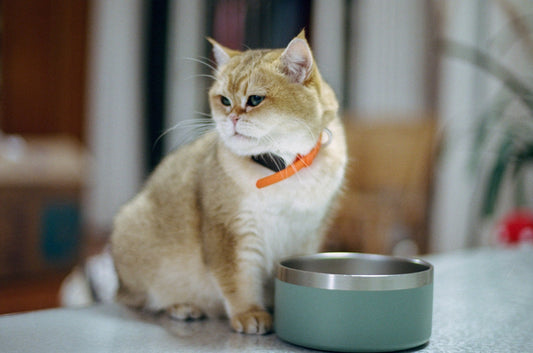
Collar-activated cat bowls contain a sensor that picks up on the cat’s collar. This lets the bowl unlock food or water for the right pet only. They prevent food-sharing, which...
Collar-Activated Cat Bowls: Benefits and Featur...
Collar-activated cat bowls contain a sensor that picks up on the cat’s collar. This lets the bowl unlock food or water for the right pet only. They prevent food-sharing, which is useful for multi-cat households with one or more cats on special diets or with allergies. In Australia, where multi-pet homes are the norm, this tech can prevent greedy pets from stealing meals. Vets say these bowls assist with weight control and can reduce anxiety in cats that guard food.
Orthopedic Cat Bowl - Elevated Anti-Vomiting De...
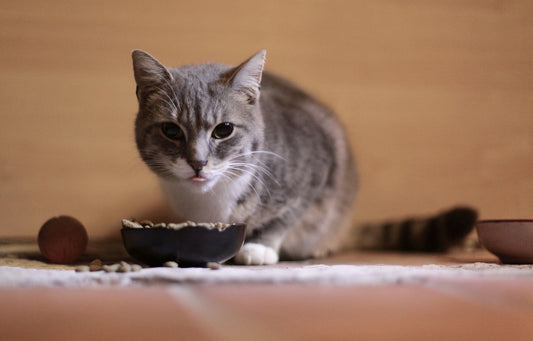
When selecting an orthopaedic cat bowl, pay attention to the bowl's height, angle and material. Ensure they’re right for your cat and Australian standard! Elevated bowls can assist with neck/joint...
Orthopedic Cat Bowl - Elevated Anti-Vomiting De...
When selecting an orthopaedic cat bowl, pay attention to the bowl's height, angle and material. Ensure they’re right for your cat and Australian standard! Elevated bowls can assist with neck/joint pain, making mealtimes less difficult for cats (particularly older ones). Shallow, wide bowls are good for whisker stress, which is prevalent in many of the breeds here. Stainless steel and ceramic are your best bets for effortless cleaning and safety. Keep clear of plastic, it can crack and hide germs!
Are Slow Feeding Bowls Safe for Cats? - A Compr...
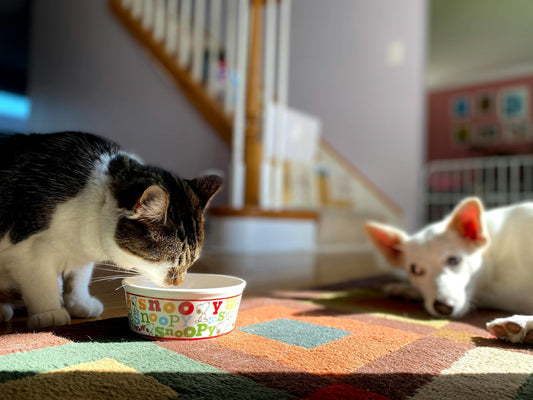
Key Takeaways Are slow feeding bowls safe for Aussie cats? Just ensure they’re constructed from sturdier and non-toxic materials such as stainless steel or BPA-free silicone. These bowls promote slow...
Are Slow Feeding Bowls Safe for Cats? - A Compr...
Key Takeaways Are slow feeding bowls safe for Aussie cats? Just ensure they’re constructed from sturdier and non-toxic materials such as stainless steel or BPA-free silicone. These bowls promote slow eating. This decreases the chances of us having to deal with vomiting, digestive upset, and obesity in our kitties. Slow feeders are great for mental stimulation, particularly in indoor cats, supporting physical and mental health. Not all cats take to slow feeders, though. Watch your cat’s behaviour and test out different styles if necessary. Go with a slow feeder that fits your cat’s eating style and food type. Ensure that it’s easy to clean for hygiene! “Always, always check with your local vet before trying a new feeding method.” This is particularly the case if your cat has any health issues or special requirements. These bowls slow feeding down, which may reduce the chance of vomiting and bloating in most healthy cats. In Australia, many vets approve of slow feeders for indoor cats that gobble their food or require weight management. It’s essential to pick a bowl that’s the right size for your cat and their age. Stainless steel and ceramic bowls shine through as the better options. They are easy to clean and less allergenic. Some cats can be picky about new bowls, so monitoring their eating is important. The next highlights the pros and cons before making the switch. What's a Slow Feeder Bowl? A slow feeder bowl is a pet dish designed to slow down a cat’s eating speed. Unlike normal bowls, slow feeders feature raised ridges, swirling patterns or maze-like shapes. These create barriers that force a cat to work a little harder to get to their food. Because at its heart is the desire to help dogs eat more healthily and digest better. Understanding Slow Cat Feeders Slow cat feeders solve the issue of rapid eating, which is prevalent in many Aussie homes. If a cat eats too fast, they can regurgitate their food. Slower eating reduces vomiting and keeps digestion on track,” says Dr. Sarah Goldsmith, a Melbourne-based feline vet. Puzzle designs in slow feeders do more than just slow down eating. They offer cats a little brain workout, too, making mealtimes more stimulating! This additional challenge aids portion control, which is essential for cats that are prone to being overweight. Not all cats are equal, however. Some appreciate the challenge, whereas other dogs might get frustrated and leave. Most bowls vary in terms of shape, size, and material to cater for cats’ personal tastes. How They Differ From Normal Bowls It’s all in the design. Normal bowls are generally flat and open, while slow feeders shatter the surface with obstacles. These make sure food stays inside the bowl, not outside it. They’re great even for paw-happy cats! Made from materials like BPA-free plastic, stainless steel or ceramic, they’re ideal for allergy-prone cats or those with sensitive whiskers. The Goal: Slower, Healthier Eating The goal is simple – assist kitties to eat at a more secure speed. Eating slower helps with digestion, reduces vomiting, and gives owners greater control over portion sizes. This is why slow feeder bowls are a good option to help control weight and promote health. Why Do Cats Eat So Fast? Aussie cat owners often observe their lovely felines ‘gobble’ down meals in record time, which isn’t just a quirky habit! This behavior is influenced by instinct, environment, and health. Understanding these eating habits highlights the benefits of using slow feed cat bowls, which can help promote a healthier pace for cats today. Instincts from Their Wild Ancestors Cats are descended from wild hunters that needed to eat fast - or risk losing what they’d caught. When it comes to hunting in the wild, food is hard to come by, and a leisurely dinner could see that meal taken by another animal. That instinct might stay with house cats, even if their bowl is never empty. Dr. Sarah Ellis, a behavioural expert, notes this interesting fact: many household cats still show bursts of predatory energy. Their fast eating is a hangover from their feral ancestors! Even indoor cats can gorge, as the survival instinct kicks in. Competition with Other Pets In multi-cat - or dog - households, mealtime is like a race. Cats could be encouraged to eat fast out of a sense of competition, even if there is enough food. Separate feeding spots or staggered meal times can help reduce the anxiety and slow things down. Multi-pet households tend to experience increased post-meal vomiting as cats wolf down food to not lose out. Underlying Health or Hunger Issues Eating quickly can be a sign of health problems too. Hyperthyroid conditions or diabetes make cats hungrier, hence their fast eating. Habits of eating (and speed of eating) can be altered for many reasons, a significant one being anxiety or stress. Monitor your cat’s eating behaviour,” advises local vet Dr Lisa Chimes. If something changes, consult your vet! Boredom or Lack of Stimulation Boredom or no mental stimulation can cause cats to regard mealtimes as their primary excitement. Fast eating could mean your cat is bored. Puzzle feeders or food-dispensing toys provide kitties with a task and decelerate the action. Because I have a habit of switching up feeding schedules to make meals exciting! Just Plain Love of Tucker! So some cats are just chow hounds. Excitement over a beloved flavour or morsel can send them into a eating frenzy. It’s beautiful to see a cat with their food! Moderation is key – see if slow feeding bowls or treats fed by hand help to keep them healthy. Slow Feeder Safety: The Lowdown Cat slow feeders, particularly the slow feed cat bowls, are becoming more common in Australia. This is especially the case for owners that notice their fast eater cats wolfing down their food. Although a slow feeder dish aids in digestion and provides mental stimulation, safety is paramount. Let’s run through the key safety bullet points and highlight what to consider when selecting a slow cat feeder. 1. Bowl Materials: What's Safe, Mate? Safety of materials is crucial. Food-grade silicone, ceramic and stainless steel slow feeders are the best options. They’re easy to clean and don’t scratch as easily. Plastic bowls can be dangerous – cheaper types may scratch, allowing bacteria to gather, and can leach chemicals such as BPA. Choose BPA-free and certified pet-safe materials to minimise risks,” advises Dr Brooke Schampers, a Queensland vet. Be sure to look for markings or certification that shows the bowl’s safe. 2. Potential Choking and Tooth Worries Some slow feeders have deep grooves or crevices. These can catch kibble, increasing the risk of choking or dental damage. Observe your cat while it eats and make sure food isn’t getting stuck. Choose feeders with smooth wave patterns and wide gaps. ‘Request regular dental checks from your vet, especially if you start to notice changes in chewing,’ she adds. 3. Cat Frustration: A Real Issue? Not all cats enjoy puzzles at mealtimes. Frustration signals – such as aggression or neglecting the food – indicate the feeder may be too well concealed. One Sydney-based behaviourist, Dr Kim Kendall, recommends beginning with basic designs for fussy or elderly cats. 4. When Are They a Bad Idea? Slow feeders aren’t suitable for all cats, though. Flat bowls are best for dental pain, arthritis or extreme anxiety, you’ll be better off. Personalised food puzzles can make mealtimes more enjoyable. If your cat isn’t able to adjust, consider offering smaller, more frequent meals. 5. Chat to Your Aussie Vet First Always check with your vet first. Vets can advise on the suitability of slow feeders based on your cat’s age, health, and eating patterns. If your cat is eating less or eating more, tell your vet! More Than Just Slow Eating Slow feeder bowls are more than just a way to slow your cat down. For a number of Aussie pet owners, these feeders are just one aspect of a holistic approach to cat care. Slow feeders do more than simply prevent greedy eating. The right one nurtures your cat body and mind, reinforcing well-being for life and promoting better practices in the home. Better Digestion for Your Furry Friend Furthermore, cats that eat too fast often swallow air, which can cause bloating and discomfort. Slow feeders assist by delaying meals which support digestion and nutrient absorption. Vets around Australia have noticed an interesting trend. Steady eaters are less prone to upset tummies, diarrhoea or constipation. Monitor your cat’s litter box after you switch to a slow feeder. These alterations can signal early signs of better gut health! Helping with Weight Management Over half the cats presented in Australian clinics are overweight or obese. The proper portion control is crucial for cat obesity prevention,” states Dr Kate Mornay, a Sydney-based vet. Slow feeders prolong every meal, encouraging the appetite and reducing overindulgence. These bowls make it easier to follow recommended portions, meaning weight loss occurs gradually and safely. Mental Workout for Your Cat There’s a really strong instinct to hunt and forage in cats. Puzzle-style slow feeders challenge them mentally, interrupting the repetition of being indoors and relieving boredom. Rotating feeder types keeps meals interesting and fun, promoting wellness beyond physical health. Reducing Vomiting and Regurgitation Fast eating usually involves eating (and vomiting/regurgitating) soon afterwards. Eating more slowly, as promoted by slow feeders, can avert this. Less messes and a happier, more comfortable cat will be waiting. Any Downsides to Slow Feeders? Although slow feed cat bowls provide genuine advantages for numerous Australian cats, they are not a solution that fits all. Some cats enjoy the challenge of a slow feeder dish, while others may find it too challenging or not interesting. So what are the main downsides, and how might they impact your feline at home? Not All Cats Take to Them Some cats simply aren’t keen on slow feeders. They may just turn their noses up at the bowl or become frustrated, particularly if they’re accustomed to ordinary dishes. Food-driven or anxious cats can get frustrated, making mealtime stressful. Some cats get obsessed with retrieving the food. This can create mess or even become aggressive,” says Dr Kate Mornay, a Sydney-based kitty vet. You need to see your cat’s reaction. Experiment with other shapes or patterns to see what your cat likes. Patience and careful attention make the transition a lot easier. Some Designs Are a Pain to Clean Some slow feeders have multiple grooves, nooks or tight corners. They can catch food and make for difficult cleaning. If it is not cleaned properly, bacteria can build up. This can endanger your cat’s health, particularly in hot, humid environments such as Queensland. Opt for smooth, dishwasher safe bowls to save time and keep things hygienic. Frequent cleaning is essential – plastic can breed bacteria, so many vets recommend ceramic or steel. Can Be Messy with Wet Food Wet food in slow feeders can be a messy affair. Certain designs don’t contain spills very well, resulting in sticky patchy messes on your kitchen floor. For cats with wet diets, select slow feeders made for liquids or softer food. These typically have fewer ridges and deeper sides. Cleaning up after every meal prevents smells and deters bugs. Pick the Perfect Slow Feeder Choosing the ideal slow feed cat bowl for your kitty involves more than just looks; it must align with your cat's eating habits, type of pet food, and personality. An appropriately sized slow feeder dish helps prevent issues like regurgitation, promoting better digestion while providing a slight mental challenge. Let’s delve into the specifics of selecting the best option. Consider Your Cat's Personality Cats vary in their reaction to slow feeders. A nosy or mischievous cat might go for puzzle bowls, treating them as a game. For the more timid or nervous of felines, a less fussy design can ease mealtime stress. It’s best to observe your cat to see how they respond with different feeder styles,” says Dr D'Amato. This’ll help you select one that keeps them occupied without causing annoyance. Matching enrichment to a cat’s specific personality is key, says Dr. Kate Mornement, a leading animal behaviourist. This method increases a cat’s interest and decreases the chances of feeding problems. Match Bowl to Food Type Not all slow feeders suit all food. Bowls with deep grooves are well-suited to dry kibble, whereas wider, shallower patterns are better for wet food. Wet food can often seize up in corners, meaning feeding time can be far messier and less fun! For mixed diets, some bowls provide inserts or removable barriers to make them more versatile. Take the food and the feeder’s size and shape into account. Easy Cleaning is Key It needs to be easy to clean in order to avoid bacteria build-up. Dishwasher-safe stainless steel and BPA-free plastic make your life easier too. Avoid feeders with deep crevices, as crumbs can become lodged. Occasional cleaning with a weak bleach solution keeps it safe and healthy for your pet. Check for Sturdy, Safe Design The stability stops tipping and mess. Seek out feeders with a weighted base or non-slip bottom. Materials should be non-toxic and tough enough to withstand daily use. Durability counts, particularly for bigger or determined cats. A few feeders even allow you to programme several small meals a day, for added convenience. Conclusion Slow feeder bowls are a great option to give cats a fighting chance at mealtimes. These bowls prevent gulping, lower the risk of choking and make dinner time just that little bit more fun. In most Aussie homes, cats use them without issue. Some may take a moment to learn the new trick, but the majority catch on very quickly. Good bowls demonstrate durable construction, safe materials, and easy cleaning. Keep an eye on your cat at first, but the majority adapt readily. A slow feeder works for all cats, from city apartments to country houses. Eager to aid your cat in slowing down or to keep them occupied? Try a slow feeder and see the difference for yourself. Your cat’s wellbeing is important! Frequently Asked Questions Are slow feeder bowls safe for cats in Australia? Yes, slow feed cat bowls are safe for most felines, as they are crafted from pet-safe materials and help minimize the risk of choking and vomiting. Can any cat use a slow feeder bowl? The majority of cats today can benefit from slow feed cat bowls, while flat-faced cats or special needs felines may require a different style. Do slow feeder bowls help with hairballs? Can slow feed cat bowls reduce hairballs? A slow cat feeder promotes slower eating, leading to less air ingested and reduced regurgitation! How do I clean a slow feeder bowl? Most slow feed cat bowls in Australia are dishwasher-safe, while others can simply be washed in warm soapy water. Can kittens use slow feeder bowls? Are slow feed cat bowls safe for kittens? Simply select a slow feeder dish with a small-mouth-appropriate design. Will a slow feeder bowl stop my cat from overeating? Slow feed cat bowls can help slow down eating habits but won’t prevent overeating altogether; portion control is still required. Are plastic slow feeder bowls safe for cats? Plastic slow feed cat bowls are safe if they’re BPA-free and of good quality, while ceramic or stainless steel slow feeder dishes might be best for plastic-sensitive cats.