
Pet Supplies
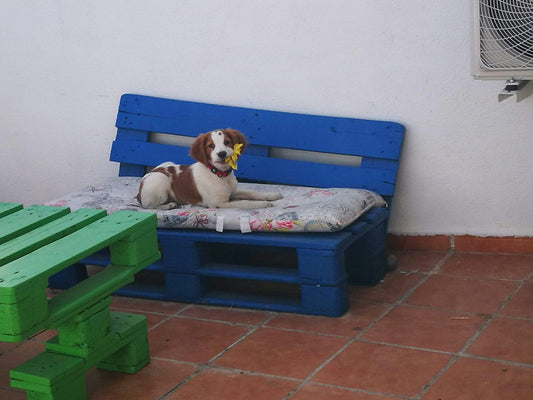
The Lifespan of a Dog Bed: How Often Should You...
Every dog owner wants their furry companion to live a healthy and comfortable life—and a big part of that is where they sleep. While it’s common to replace collars, toys,...
The Lifespan of a Dog Bed: How Often Should You...
Every dog owner wants their furry companion to live a healthy and comfortable life—and a big part of that is where they sleep. While it’s common to replace collars, toys, and food regularly, many pet owners overlook one essential item: the dog bed. So, how often should you really replace your dog bed? And what’s the actual lifespan of one?

Is It Cruel to Leave a Stray Cat? What Every An...
This article explores the ethical, practical, and emotional question of whether it's cruel to leave a stray cat without intervention. Backed by historical context and current Australian statistics, it reveals...
Is It Cruel to Leave a Stray Cat? What Every An...
This article explores the ethical, practical, and emotional question of whether it's cruel to leave a stray cat without intervention. Backed by historical context and current Australian statistics, it reveals that while stray cats may appear self-sufficient, they often face severe risks including disease, starvation, injury, and a significantly shortened lifespan. It distinguishes between true strays, lost pets, outdoor cats, and ferals—highlighting the importance of correctly identifying a cat’s status before taking action. The article encourages responsible alternatives to abandonment, such as supporting TNR (Trap-Neuter-Return) programs, providing temporary shelter, donating to rescue groups, and adopting when possible. Rather than presenting a one-size-fits-all answer, it offers compassionate, well-informed options that pet lovers can take depending on their resources, local laws, and the cat’s condition. By offering actionable steps, expert quotes, and humane product recommendations, the article aims to empower readers to make thoughtful decisions that reflect both kindness and practicality. Ultimately, it underscores that doing nothing is often the cruelest option—and even small actions can change a stray cat’s life for the better.

Golden Retriever Essentials: Full Breed Guide o...
Golden Retrievers are more than just a pretty face and a wagging tail — they represent one of the most carefully crafted dog breeds in history. Developed in 19th-century Scotland...
Golden Retriever Essentials: Full Breed Guide o...
Golden Retrievers are more than just a pretty face and a wagging tail — they represent one of the most carefully crafted dog breeds in history. Developed in 19th-century Scotland by Lord Tweedmouth, they were bred with a clear purpose: to create a strong, athletic dog capable of retrieving game over land and water. What defines a true Golden Retriever is a combination of physical sturdiness, a dense water-resistant coat, a keen working drive, and above all, an innate desire to please their human companions.

The Best Orthopedic Dog Beds for Senior Dogs wi...
The best dog beds for senior dogs with arthritis provide aging pals the comfort they deserve and assist ease rigid joints. Having to watch your beloved pup slow down because...
The Best Orthopedic Dog Beds for Senior Dogs wi...
The best dog beds for senior dogs with arthritis provide aging pals the comfort they deserve and assist ease rigid joints. Having to watch your beloved pup slow down because of their aches is no easy task. It’s even harder in the cold Aussie winters or following those big hiking adventures.

Choosing the Right Dog Bed and Size: A Breed-by...
When you’re wondering, “what dog bed should I buy? I’ll take an in-depth look at your dog’s breed, size, and daily routine. These are the key factors that inform my...
Choosing the Right Dog Bed and Size: A Breed-by...
When you’re wondering, “what dog bed should I buy? I’ll take an in-depth look at your dog’s breed, size, and daily routine. These are the key factors that inform my recommendations. All over Australia, our dogs love nothing more than stretching out and absorbing that golden sunshine. They rejoice in warm and cool places, adapting to the seasons.
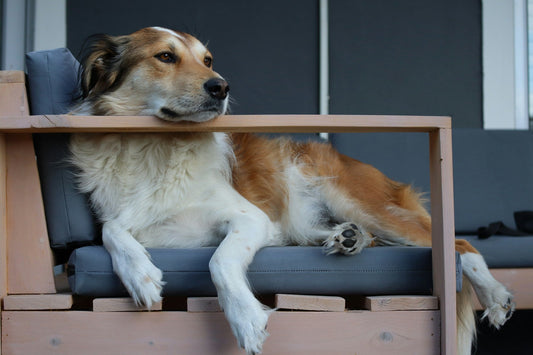
Are Elevated Dog Beds Better for Your Dog? Pros...
First, elevated dog beds offer elevated, breathable support that increases airflow underneath pets which helps cool them down. They further reduce exposure to grime and bugs commonly present in Aussie...
Are Elevated Dog Beds Better for Your Dog? Pros...
First, elevated dog beds offer elevated, breathable support that increases airflow underneath pets which helps cool them down. They further reduce exposure to grime and bugs commonly present in Aussie yards. Most Australian owners use them for older dogs requiring extra joint support. They love them for their outdoor dogs that want a dry place to lie down after the rain. Elevated beds are generally more durable than soft floor beds. The downside is that they can be hard for small or unsteady pets to get up on.
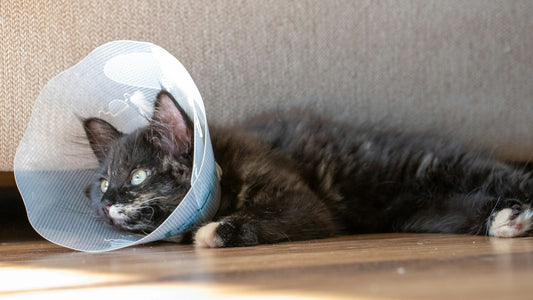
What Is an Elizabeth Collar for Cats? Purpose, ...
If you’ve ever brought your cat home after a surgery or injury, chances are you’ve encountered the Elizabeth collar—or, as it’s jokingly dubbed, the “cone of shame.” While it may...
What Is an Elizabeth Collar for Cats? Purpose, ...
If you’ve ever brought your cat home after a surgery or injury, chances are you’ve encountered the Elizabeth collar—or, as it’s jokingly dubbed, the “cone of shame.” While it may look awkward or even comedic, this medical device plays a crucial role in your feline’s healing process.

Cavoodle Breed Guide: Everything You Need to Kn...
The Cavoodle — also known internationally as the Cavapoo — is a carefully crafted crossbreed between the affectionate Cavalier King Charles Spaniel and the intelligent Poodle (usually Toy or Miniature...
Cavoodle Breed Guide: Everything You Need to Kn...
The Cavoodle — also known internationally as the Cavapoo — is a carefully crafted crossbreed between the affectionate Cavalier King Charles Spaniel and the intelligent Poodle (usually Toy or Miniature size). Combining the best traits of both parents, the Cavoodle was originally bred to create an ideal family companion: small, loving, intelligent, and low-shedding.
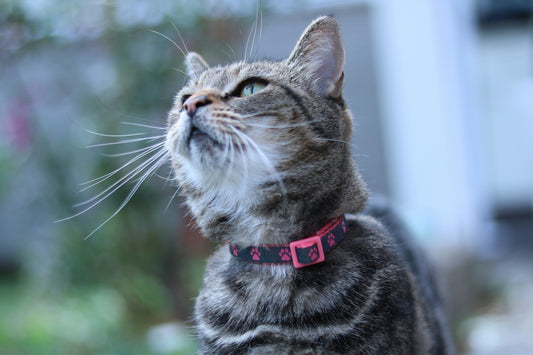
How Long Does It Take for a Cat to Get Used to ...
In this detailed guide, PetCareShed explores the common question: How long does it take for a cat to get used to a collar? Backed by veterinary studies, behavioral insights, and real...
How Long Does It Take for a Cat to Get Used to ...
In this detailed guide, PetCareShed explores the common question: How long does it take for a cat to get used to a collar? Backed by veterinary studies, behavioral insights, and real cat owner experiences, the article breaks down the typical adjustment timeline and offers actionable tips for a smooth transition. From choosing the right collar to avoiding common mistakes, this article delivers little-known insights into feline behavior, comfort, and safety. It’s a must-read for any cat owner looking to ensure their pet’s well-being while embracing the practicality of collars.
What Is Ear Tipping on Cats? The Humane Way to ...
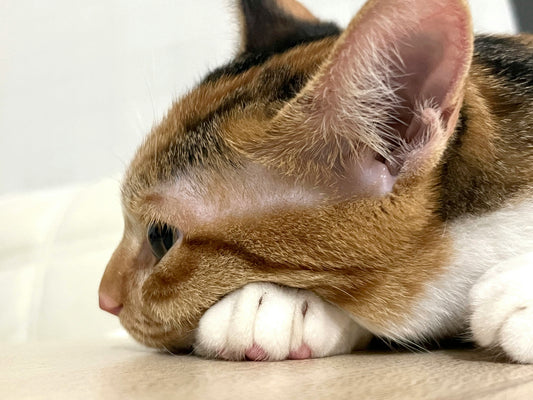
Ear tipping is a humane, internationally recognized practice used to identify stray and feral cats that have been spayed or neutered as part of TNR (Trap-Neuter-Return) programs. During this quick...
What Is Ear Tipping on Cats? The Humane Way to ...
Ear tipping is a humane, internationally recognized practice used to identify stray and feral cats that have been spayed or neutered as part of TNR (Trap-Neuter-Return) programs. During this quick procedure, a small portion of the cat's left ear is surgically removed under anesthesia, making it easy for rescuers and animal control to know the cat has already been sterilized. The article explores the history, benefits, and myths surrounding ear tipping, emphasizing how it reduces unnecessary retrapping, supports community cat welfare, and helps combat overpopulation and euthanasia. With data-backed insights, quotes from veterinary experts, and real-world statistics, the article highlights ear tipping’s crucial role in creating healthier, more stable feral cat colonies in Australia and beyond. It also provides pet owners with practical tips, ethical considerations, and ways to support or get involved in TNR initiatives, all written in a clear and compassionate tone that’s easy to understand for a wide audience.

Chew-Proof Dog Beds: What Makes Them Indestruct...
Pick a dog bed constructed of durable fabrics like ripstop canvas, ballistic nylon or reinforced polyester. Chewing dogs require durable beds that can withstand the toughest use and the chewiest...
Chew-Proof Dog Beds: What Makes Them Indestruct...
Pick a dog bed constructed of durable fabrics like ripstop canvas, ballistic nylon or reinforced polyester. Chewing dogs require durable beds that can withstand the toughest use and the chewiest chompers. Most Aussie dog bed companies make their beds with double-stitched seams and hidden zippers to prevent dogs from ripping them to shreds. Others prefer raised frames constructed with metals or rigid plastics.
How to Clean a Dog Bed the Right Way: Washing T...
Key Takeaways Washing your dog's bed is crucial for hygiene, comfort, and flea control. Different materials and styles of dog beds require different cleaning methods. Regular cleaning helps reduce odor,...
How to Clean a Dog Bed the Right Way: Washing T...
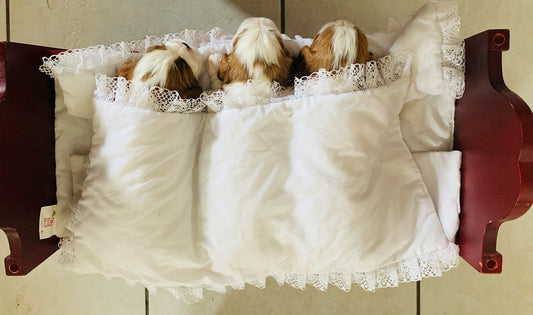
Key Takeaways Washing your dog's bed is crucial for hygiene, comfort, and flea control. Different materials and styles of dog beds require different cleaning methods. Regular cleaning helps reduce odor, allergens, and the risk of pests. Natural deodorizing and flea-killing techniques can be safer and more effective than harsh chemicals. This article provides step-by-step guides for machine-washable beds, beds without removable covers, and stuffed beds. Introduction Dog beds are more than just a cozy corner—they're your pet's safe space, nap station, and sometimes their go-to hideout. But these same features can also make dog beds a hotspot for dirt, hair, odors, and even fleas. Despite this, many dog owners are unsure how to properly clean a dog bed without damaging it or risking their pet’s health. In this article, we’ll explore practical, science-backed strategies to clean dog beds correctly. We'll address various bed types, the best products to use, how to eliminate odors naturally, how often to clean, and why doing it right matters. Whether your dog’s bed is machine washable, heavily stuffed, or doesn’t have a removable cover, you’ll find step-by-step guidance here. If you’re looking to upgrade your pet’s sleeping space, consider browsing our dog bed collection for high-quality, washable options. Why Cleaning Your Dog’s Bed Matters Health & Hygiene According to the NSF International, pet beds are among the top 10 dirtiest items in the home. They harbor bacteria like E. coli, salmonella, and MRSA. These pathogens can affect not only your pet but also you and your family. Frequent washing drastically reduces this microbial load. Keeping your dog’s environment clean can also help prevent skin infections, hot spots, and allergic reactions that are often caused by contact with bacteria-laden surfaces. Particularly for dogs with allergies or weakened immune systems, a clean bed is part of maintaining overall wellness. Pest Control Fleas, mites, and ticks love to nest in warm, soft fabrics—especially those lined with pet fur and skin flakes. Regular washing helps kill flea eggs and disrupt the life cycle of common parasites. If your dog has had fleas before, be sure to wash the bed at high temperatures and follow up with appropriate treatments to prevent re-infestation. Using flea-resistant covers can also be a helpful long-term strategy. Odor Management Dog beds soak up body oils, saliva, and sometimes even urine. Left unwashed, they emit unpleasant odors. Cleaning neutralizes these smells and creates a more inviting space for your dog. Besides being unpleasant for humans, persistent odors may indicate mold or bacterial growth that could harm your dog. Regular washing and spot-treating not only eliminate these smells but can also prevent microbial buildup that contributes to poor indoor air quality. Longevity of the Bed Proper maintenance extends the lifespan of the bed and its materials. Washing incorrectly can cause seams to rip, stuffing to clump, and covers to shrink. Investing in beds with removable covers and water-resistant liners can simplify cleaning and improve durability. Read care labels carefully and always follow recommended washing instructions to preserve your investment. How to Wash a Dog Bed Without Ruining It? Step-by-Step Guide Vacuum first – Remove hair, dirt, and debris. Use a pet hair remover for deep cleaning. Check the label – Follow manufacturer guidelines regarding water temperature and detergent. Use pet-safe detergent – Avoid dyes, fragrances, and harsh chemicals. Cold to warm wash – Hot water can damage fabric and stuffing. Dry thoroughly – Damp bedding encourages mold. Air dry when possible, or use low heat in the dryer. Pro tip: Place tennis balls in the dryer to fluff up stuffing. Washing a dog bed is much like washing delicate human bedding, but with added consideration for odor, bacteria, and allergens. When in doubt, err on the side of caution and choose gentler methods. A lint roller before vacuuming can further reduce trapped fur and dander. Can You Put Dog Beds in the Washing Machine? Yes—But It Depends Machine washing is safe for most dog beds with removable covers and washable fillings. However, beds with delicate stitching, foam inserts, or non-washable parts should be cleaned differently. Some larger beds may not fit standard machines—consider using a commercial washer at a laundromat. Also, avoid overloading your washer, as the bed may absorb significant water weight, putting stress on your appliance. Best Practice Wash alone or with towels to balance the load. Avoid fabric softener, which can irritate your dog's skin. Use an extra rinse cycle to remove detergent residues. PetMD notes that weekly washing of your dog’s bed can significantly reduce allergens in your home. If you're unsure whether a bed is machine-safe, test a small area first or refer to online guides or manufacturer FAQs. When in doubt, hand-washing may be the safer route. What’s the Best Way to Clean Dog Beds with Stuffing? Beds filled with polyfill or foam require special care: Spot clean stains first with an enzyme-based cleaner. Soak in a bathtub with warm water and pet-safe detergent. Press, don’t wring – Squeezing out water can distort the filling. Lay flat to dry in a sunny, well-ventilated space. Stuffed beds are prone to clumping, which affects comfort and support. After drying, manually fluff and shake the bed to redistribute filling evenly. For long-term care, consider rotating between two beds to allow one to fully dry while the other is in use. Avoid submerging memory foam—spot clean instead. Use baking soda to deodorize. Check out our guide on choosing the perfect bed size to better suit your dog's needs. How Often Should You Wash Your Dog’s Bed? Weekly for active/outdoor dogs Biweekly for indoor-only dogs Immediately after illness, accidents, or flea infestation According to a study by the American Kennel Club, over 40% of dog owners don’t wash their dog’s bed more than once a month—a habit that increases risk of odor buildup and skin irritation. Dogs with allergies, senior dogs, or those with compromised immune systems may benefit from more frequent cleanings. Just like human bedding, freshness impacts quality of rest and health. Incorporate it into your regular cleaning routine. Does Washing Dog Beds Kill Fleas and Bugs? Yes—When Done Properly Washing in warm water (60°C or 140°F) for 30 minutes kills adult fleas and larvae. However, flea eggs are more resistant. For Full Effectiveness: Follow up with a pet-safe flea spray after drying. Treat the surrounding area: carpet, couch, and crate. Regular vacuuming is essential. CDC guidelines support integrated pest control involving both cleaning and treatment. For severe infestations, pair cleaning with oral or topical flea treatments. Environmental sprays can target flea eggs hidden in furniture crevices or baseboards. Can You Use Bleach on Dog Beds Safely? Caution Advised Bleach can be toxic to pets even after rinsing. It’s best avoided unless specifically recommended by the manufacturer. Safer Alternatives: White vinegar (natural disinfectant) Baking soda (odor neutralizer) Hydrogen peroxide (mild antiseptic) If you must disinfect due to illness or contamination, try vinegar followed by a thorough rinse and drying in sunlight, which acts as a natural germicide. Always ensure beds are fully dry and free of chemical residue before allowing your dog to use them again. How to Wash a Dog Bed Without a Removable Cover Beds without removable covers require more effort, but they can still be thoroughly cleaned. Begin by vacuuming the entire surface to remove pet hair, crumbs, and loose dirt. For spot cleaning, use a pet-safe enzyme cleaner on any visible stains and allow it to sit for a few minutes before blotting with a damp cloth. Next, submerge the bed in a bathtub or large basin filled with warm water and a mild detergent. Gently agitate the water to help the soap penetrate the fabric and stuffing. After soaking for 15–30 minutes, scrub the surface with a soft-bristled brush, focusing on stained or heavily soiled areas. Rinse thoroughly multiple times to ensure all detergent is removed. Improper rinsing can leave residues that irritate your dog’s skin. Finally, squeeze out as much water as possible (without twisting or wringing) and lay the bed flat in a well-ventilated area or under direct sunlight to dry. Be patient—this process can take a full day or more depending on bed size and weather. How to Get Rid of Odors from Dog Beds Naturally Persistent odors are common in dog beds, especially those that aren’t washed frequently. Fortunately, natural remedies can help neutralize these smells without relying on synthetic fragrances that may bother your dog. Start by sprinkling a generous amount of baking soda over the entire surface of the bed. Let it sit for 15–30 minutes, then vacuum it thoroughly. Baking soda helps absorb and neutralize acidic odors from pet dander and body oils. For deeper deodorizing, lightly mist the bed with a 1:1 solution of white vinegar and water. Vinegar is a natural antibacterial agent and evaporates quickly, taking odors with it. Avoid using essential oils unless specifically approved for pets, as some (like tea tree or eucalyptus) can be harmful. Activated charcoal pouches or odor-neutralizing sachets placed under or around the bed can also help keep smells at bay between washes. Regular sun-drying can refresh fabrics and eliminate lingering musty scents through natural UV sterilization. Is It Safe to Put Dog Beds in the Dryer? Drying a dog bed safely depends on its materials. Always check the care label first. Most fabric covers made from cotton or polyester are safe to tumble dry on low heat. However, foam inserts, orthopedic pads, or beds with non-removable covers may be damaged by heat and should be air-dried. To speed up drying and maintain bed shape, add a few clean tennis balls or wool dryer balls to the dryer. This prevents clumping and helps fluff up the stuffing. Place an old towel alongside the bed to absorb excess moisture and reduce drying time. Ensure the bed is completely dry before returning it to your dog. Dampness can lead to mold, mildew, and bacteria growth, all of which are hazardous to your pet’s health. If the bed is large or slow to dry, rotating between two beds can ensure your dog always has a clean and dry place to rest. For beds that must be air-dried, placing them outside in the sun on a warm, dry day is ideal. Sunlight not only helps dry the bed faster but also acts as a natural disinfectant. Conclusion Keeping your dog’s bed clean isn’t just about tidiness—it’s a critical part of your pet’s overall health and comfort. By understanding the materials and construction of your dog’s bed, you can choose the safest and most effective cleaning method. Regular maintenance reduces the buildup of harmful bacteria, eliminates pests like fleas, and ensures that your dog’s favorite resting spot smells fresh and feels cozy. From natural deodorizers to washing techniques tailored for different bed types, a well-maintained dog bed benefits both your pet and your household. Establish a regular cleaning routine and keep a backup bed handy so your furry friend is never without a comfortable place to sleep. And when in doubt, always go for pet-safe products and gentle methods. If you’re considering upgrading to a more hygienic and easy-to-clean option, browse our best-rated dog beds designed for both comfort and convenience. Clean bed, happy dog, healthier home.

What Color Do Dogs Like to Sleep In? Uncovering...
Have you ever wondered whether your dog actually notices or cares about the color of its bed or blanket? While it may sound like a purely aesthetic concern for pet...
What Color Do Dogs Like to Sleep In? Uncovering...
Have you ever wondered whether your dog actually notices or cares about the color of its bed or blanket? While it may sound like a purely aesthetic concern for pet owners, recent studies and long-standing observations reveal that color can subtly influence a dog's comfort and sleep quality. This article dives deep into the question: “What color do dogs like to sleep in?” and uncovers fascinating insights rooted in canine biology, psychology, and environmental science.

Should My Cat Wear a Cone All Day? Vet-Backed A...
Should My Cat Wear a Cone All Day? Vet-Backed Advice for Faster Healing & Comfort explores whether 24/7 cone usage is best for feline recovery. Backed by veterinary guidance and...
Should My Cat Wear a Cone All Day? Vet-Backed A...
Should My Cat Wear a Cone All Day? Vet-Backed Advice for Faster Healing & Comfort explores whether 24/7 cone usage is best for feline recovery. Backed by veterinary guidance and behavioral insights, this in-depth article covers when constant cone use is necessary, the risks of prolonged wear, and how to strike a balance between protection and comfort. You'll learn about modern alternatives to traditional cones, how to manage your cat’s stress, and what signs suggest the cone may be causing more harm than good. With historical context, practical tips, product recommendations, and frequently asked questions, this guide offers a complete roadmap for post-op and injury care tailored to your cat’s well-being.
Cat Collar Alternatives: Safer, Smarter ID Solu...
Traditional cat collars aren’t always the safest or most effective way to identify your feline friend. This article explores cat collar alternatives that offer smarter, safer, and more comfortable options....
Cat Collar Alternatives: Safer, Smarter ID Solu...
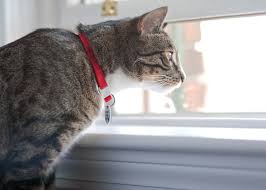
Traditional cat collars aren’t always the safest or most effective way to identify your feline friend. This article explores cat collar alternatives that offer smarter, safer, and more comfortable options. From microchips and GPS trackers to QR-coded harnesses and facial recognition apps, we cover innovative solutions backed by data, expert insights, and real-world examples. You’ll also discover lesser-known technologies like NFC tags, biometric cat doors, and LED ID gear, alongside pros, cons, and key factors to consider based on your cat’s lifestyle. Whether your cat is indoor-only, roams freely, or prefers nighttime escapades, this guide offers practical, future-focused alternatives to ensure their safety and your peace of mind. Ideal for pet owners who want to go beyond basic collars and make an informed, humane decision.

What is the Ideal Leash Length for Different Do...
Most of us don’t think about leash length, but it really does affect how safe and enjoyable your walks are. When selecting a leash, think about the space your dog...
What is the Ideal Leash Length for Different Do...
Most of us don’t think about leash length, but it really does affect how safe and enjoyable your walks are. When selecting a leash, think about the space your dog needs to be comfortable. I need to make sure they remain under my control. A longer leash of at least ten to thirty feet, if possible, gives your dog more opportunities to sniff and explore. This eliminates pulling and is more enjoyable for both of us on our walks. It’s useful in parks or on bush tracks, where there’s room to move.

Are AirTag Cat Collars Safe? What Every Cat Own...
Are AirTag Cat Collars Safe? What Every Cat Owner Needs to Know explores the growing trend of attaching Apple AirTags to cat collars. While these devices offer convenience and affordability,...
Are AirTag Cat Collars Safe? What Every Cat Own...
Are AirTag Cat Collars Safe? What Every Cat Owner Needs to Know explores the growing trend of attaching Apple AirTags to cat collars. While these devices offer convenience and affordability, they come with hidden dangers such as choking risks, EMF exposure, delayed tracking accuracy, and stress from sound alerts. Backed by expert opinions, safety guidelines, and comparisons to traditional microchips and GPS trackers, this article provides a balanced, deeply informative perspective for cat owners. Whether your cat stays indoors or roams freely, this guide will help you make an informed, safety-first decision.

Rolling Treat Ball for Dogs - Interactive Play Toy
An adjustable rolling treat ball provides dogs with an engaging opportunity to chase, bat and entertain themselves. Every time your dog pushes it around, delicious rewards pop out! When I...
Rolling Treat Ball for Dogs - Interactive Play Toy
An adjustable rolling treat ball provides dogs with an engaging opportunity to chase, bat and entertain themselves. Every time your dog pushes it around, delicious rewards pop out! When I use them with my own dogs, I watch them and take care of them stay busy and happy while they play. Both keeping your dog’s mind sharp and slowing down dogs that gobble their food too quickly, treat balls are an excellent multifunctional toy. You load the ball with dry kibble or small treats, then place it on the floor. It rolls super easy on all floors, even outdoors on our covered patio or grass.
3 Bowl Pet Feeder for Cats and Small Dogs | Ele...
A 3 bowl pet feeder for small dogs means you can feed your pet with less mess and more ease. These feeders are super convenient! They enable me to offer...
3 Bowl Pet Feeder for Cats and Small Dogs | Ele...
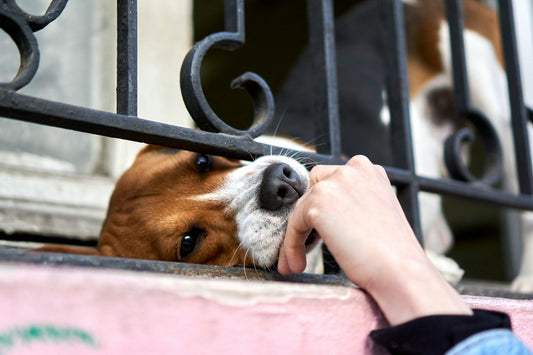
A 3 bowl pet feeder for small dogs means you can feed your pet with less mess and more ease. These feeders are super convenient! They enable me to offer dry, wet, or raw food at the same time, water, and treats side by side, no hassle. For small dogs, portion control is important, so each bowl is perfect for one day of feeding while minimizing mess. All models have the option of stainless steel or BPA-free plastic and take up a small footprint. Bowls generally accommodate 1 to 1.5 cups (250–350 ml), which is perfect for small breeds.

Why Does My Cat Make Squeaking Sounds Instead O...
My cat’s meow sounds like a squeaky toy. It’s her vocal cords and mouth shape that produce that squeaky toy sound! I notice the high-pitched, squeaky noise often when she...
Why Does My Cat Make Squeaking Sounds Instead O...
My cat’s meow sounds like a squeaky toy. It’s her vocal cords and mouth shape that produce that squeaky toy sound! I notice the high-pitched, squeaky noise often when she wants my attention, feels playful, or greets me at the door. Some cats, such as kittens or small breeds, have a lighter tone of voice, and the sound simply sounds different. I notice this the most when she’s really happy or when she attempts to have a conversation with her mouth closed. Occasionally, a bad cold or mild throat irritation can set her voice to squeaky for a few days.
10 Best Dog Beds for Winter Warmth: Keep Your P...
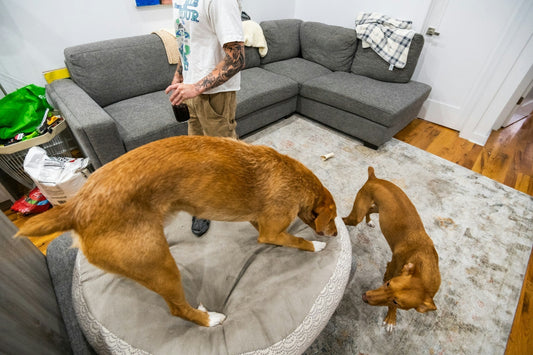
Winter in Australia varies by region, but if you’re in places like the Blue Mountains, Tasmania, or Victoria’s alpine areas, you already know how chilly nights can get. Dogs, despite...
10 Best Dog Beds for Winter Warmth: Keep Your P...
Winter in Australia varies by region, but if you’re in places like the Blue Mountains, Tasmania, or Victoria’s alpine areas, you already know how chilly nights can get. Dogs, despite their fur coats, often need extra help staying warm—especially if they’re small, have thin coats, or are getting older.

What Colours Do Cats Like to Sleep In? Unlockin...
Cats are known for being particular about where and how they sleep. But what if colour plays a role in their comfort? While many cat owners focus on texture, warmth,...
What Colours Do Cats Like to Sleep In? Unlockin...
Cats are known for being particular about where and how they sleep. But what if colour plays a role in their comfort? While many cat owners focus on texture, warmth, or location, few consider how the colour of a cat's bed or sleeping area could influence its appeal. This often-overlooked aspect may hold the key to better feline sleep and reduced anxiety.

Why Do Dogs Sleep Against Walls? Understanding ...
Have you ever walked into a room only to find your dog snugly pressed up against the wall while sleeping? This seemingly peculiar behavior has left many dog owners puzzled....
Why Do Dogs Sleep Against Walls? Understanding ...
Have you ever walked into a room only to find your dog snugly pressed up against the wall while sleeping? This seemingly peculiar behavior has left many dog owners puzzled. Is it normal? Should you be concerned? Or is it just another quirky trait of man’s best friend?

How to Tell If a Cat Has an Owner: Signs, Tips ...
This in-depth guide helps readers determine whether a wandering cat has an owner or is truly stray. It covers physical, behavioral, and environmental clues, from microchips and grooming to routine...
How to Tell If a Cat Has an Owner: Signs, Tips ...
This in-depth guide helps readers determine whether a wandering cat has an owner or is truly stray. It covers physical, behavioral, and environmental clues, from microchips and grooming to routine habits and community observations. The article also outlines legal considerations in Australia, explains what actions to take (or avoid), and dispels common myths about outdoor cats. With quotes from experts and links to relevant resources, this guide equips readers with practical, ethical steps to reunite cats with their owners or responsibly help if they're genuinely homeless.

What Material Do Cats Hate? Surprising Textures...
Cats are creatures of comfort—but also of strong preferences. While they seek out cozy beds and sunny windowsills, there are certain materials they instinctively avoid. Have you ever noticed your...
What Material Do Cats Hate? Surprising Textures...
Cats are creatures of comfort—but also of strong preferences. While they seek out cozy beds and sunny windowsills, there are certain materials they instinctively avoid. Have you ever noticed your feline friend leap off a couch or carefully sidestep a specific rug? This isn’t just quirky behavior; it's a deep-rooted response to textures and sensations they dislike.

Do Dogs Like Big or Small Beds? Choosing the Pe...
Choosing the right bed size for your dog isn't just about aesthetics or fitting it into your living room. It's a matter of comfort, security, and long-term health. Pet owners...
Do Dogs Like Big or Small Beds? Choosing the Pe...
Choosing the right bed size for your dog isn't just about aesthetics or fitting it into your living room. It's a matter of comfort, security, and long-term health. Pet owners often ask, "Do dogs like big or small beds?" While the answer may vary depending on the individual dog, there are science-backed factors and behavioral insights that can help you make the best decision.

Is a Cat Harness Better Than a Collar? The Safe...
This comprehensive guide explores the ongoing debate: is a cat harness better than a collar? Backed by expert insights, historical context, and practical tips, the article explains the pros and...
Is a Cat Harness Better Than a Collar? The Safe...
This comprehensive guide explores the ongoing debate: is a cat harness better than a collar? Backed by expert insights, historical context, and practical tips, the article explains the pros and cons of both options and uncovers lesser-known safety issues with traditional collars. Learn how to choose what’s best for your cat based on lifestyle, behavior, and veterinary recommendations. A must-read for any cat owner considering a smarter, safer solution for feline freedom and control.

How Many Cats Can You Legally Own in Australia?...
This comprehensive guide explores how many cats you can legally own in Australia, breaking down ownership limits by state and local council. It explains the reasons behind these regulations, including...
How Many Cats Can You Legally Own in Australia?...
This comprehensive guide explores how many cats you can legally own in Australia, breaking down ownership limits by state and local council. It explains the reasons behind these regulations, including wildlife protection and pet welfare, and offers practical advice for pet lovers who own or wish to adopt multiple cats. From permit requirements to historical context and legal consequences, this article helps Australian cat owners make informed, law-abiding decisions while providing top-tier care for their feline companions.
What Is the Perfect Room for Cats? Designing a ...
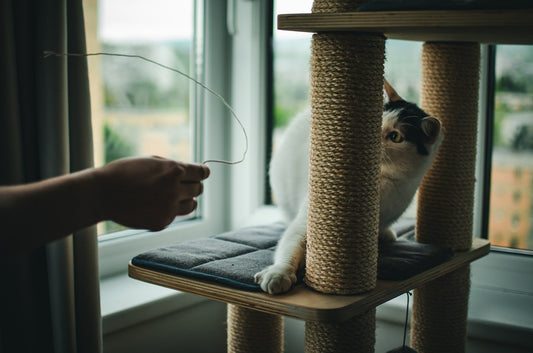
When it comes to living with cats, most owners focus on food, litter boxes, and the occasional toy. But what if we told you that creating the perfect room for...
What Is the Perfect Room for Cats? Designing a ...
When it comes to living with cats, most owners focus on food, litter boxes, and the occasional toy. But what if we told you that creating the perfect room for your cat could dramatically improve their health, happiness, and even your bond with them? Cats are not just ornamental roommates—they are sensitive, instinctual beings who benefit immensely from carefully designed environments. In fact, a study published in Applied Animal Behaviour Science found that enriched living spaces reduced stress-related behaviors in domestic cats by over 40%.

The Best Flea and Tick Collars for Cats in 2026...
The top flea and tick collar for cats offers a secure, adjustable fit and provides protection for several months. It works to keep your kitty safe from biting pests. As a...
The Best Flea and Tick Collars for Cats in 2026...
The top flea and tick collar for cats offers a secure, adjustable fit and provides protection for several months. It works to keep your kitty safe from biting pests. As a veterinarian working with cat owners, I understand the stress that comes with fleas and ticks. An effective collar prevents itching, ensures healthy skin, and reduces anxiety at vet check-ups.