
Key Takeaways
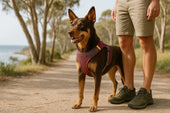
- Belgian Malinois require tactical, high-control harnesses due to their strong drive, agility, and working-dog intensity.
- A well-designed harness helps manage pulling, reactivity, and high-energy behaviour, while also supporting safety during advanced training.
- Australian environments—heat, rugged terrain, long outdoor sessions—require breathable, durable, escape-proof harness designs.
- Essential features include multi-handle control, military-grade hardware, no-pull front clip, padded support, and high adjustability for a deep-chested breed.
- Proper measurement, careful introduction, and consistent training are key to ensuring a secure and comfortable fit.
- PetCareShed offers several harness types that naturally suit Belgian Malinois, including tactical no-pull harnesses, escape-proof harnesses, and lightweight cooling harnesses for summer.
Shop the PetCareShed Dog Collection
Introduction
Belgian Malinois are widely regarded as one of the most capable, energetic, and driven dog breeds in the world. Known for serving in police units, military forces, search-and-rescue teams, and elite protection roles, the Malinois is often described as “the ultimate working dog”. Their intelligence, agility, and unwavering focus make them an outstanding companion for dedicated handlers—but their intensity also requires specialised gear.
In Australia, these dogs are especially popular among active owners, security professionals, and enthusiasts who value a breed that thrives on mental and physical challenges. However, such a powerful dog needs more than an ordinary harness. A Belgian Malinois must have a harness built for control, durability, safety, and precise handling, especially in real-world Australian conditions such as heat, bushland, and high-distraction outdoor environments.
This comprehensive guide explores the best dog harnesses for Belgian Malinois in Australia, focusing on tactical, high-control options that match their elite working nature. It provides in-depth guidance, expert commentary, real data, breed-specific fitting tips, and professional insights to help Australian dog owners make an informed decision.
Understanding the Belgian Malinois: Physical & Behavioural Factors That Influence Harness Choice
A Distinctive Body Build
Belgian Malinois have a unique physical structure that directly impacts harness fit:
- Deep, pronounced chest
- Narrow waist and long, lean torso
- High muscle density
- Long, agile legs
- Flexible shoulders built for sprinting and jumping
This combination means that many generic harnesses slip, rotate, or fail to stay secure during movement. A Malinois requires adjustable, deep-chest-friendly, escape-proof construction.
Intense Working Drive
Malinois are:
- High-energy
- Highly intelligent
- Fast-reacting
- Naturally intense
- Strong pullers when untrained
This temperament makes a tactical or high-control harness far more suitable than lightweight pet-store options.
Australian Conditions
Australian owners must consider:
- Heat management during summer walks
- Coastal and bush terrains
- Long sessions outdoors
- Australian off-lead area rules
- Wildlife distractions (kangaroos, birds, etc.)
A Malinois harness for Australia must balance control, breathability, and durability.
Why a Tactical or High-Control Harness Is Ideal for Belgian Malinois
Multi-Handle Designs for Immediate Control
This breed benefits significantly from harnesses featuring:
- Top control handle for quick redirection
- Front handle for heel training
- Side handles for tactical manoeuvres
These handles are invaluable during obedience training, reactivity management, or protection work.
Reinforced Structure
Because Malinois exert high pulling power, tactical harnesses include:
- Heavy-duty stitching
- Military-grade nylon
- Climbing-rated buckles
- High-tension load distribution
This reduces breakage risks seen in cheaper harnesses.
Escape-Proof Safety
Malinois are notorious for slipping out of poorly fitted harnesses. Tactical harnesses often include:
- Belly straps
- Secondary stabilising straps
- Deep chest plates
- Multi-point adjustability
These elements keep the dog safely secured in any environment.
Heat-Dissipating Materials
Australian summers demand breathable harnesses. Tactical harnesses use:
- Ventilated mesh
- Padded but lightweight chest plates
- Moisture-wicking linings
This prevents overheating and heat stress.
Your Dog’s Happiness Starts Here — at PetCareShed
Key Features to Look for in a Malinois Harness
1. Fit & Adjustability
Deep-chested breeds need:
- Adjustable shoulder straps
- Adjustable chest & belly straps
- Non-restrictive shoulder cut
A good harness should sit low enough to avoid choking but high enough to avoid slipping.
2. High-Control Handles
Handles support:
- Emergency stopping
- Controlled crossing of roads
- Quick response to distractions
- Tactical manoeuvring during training
Choose harnesses with double or triple handles.
3. No-Pull Front Clip
Front clips help:
- Reduce pulling intensity
- Improve heelwork
- Support balanced training methods
They are especially effective for high-drive dogs.
4. Tactical MOLLE System
Useful for:
- Attaching treat pouches
- Carrying training equipment
- Long hiking trips
- Identification patches (e.g., “Working Dog”)
5. Heavy-Duty Materials
Look for:
- 1000D+ military nylon
- Metal D-rings
- Heavy-duty buckles
- Reinforced seams
These are essential for a powerhouse breed like the Malinois.
6. Comfort & Padding
Padding reduces:
- Chafing
- Shoulder rubbing
- Chest plate pressure
Long training sessions require malleable yet durable padding.
PetCareShed’s Handpicked Dog Comforts
Most Common Harness Challenges for Belgian Malinois
Rubbing & Chafing
Occurs when:
- Straps are too thin
- Padding is absent or poorly placed
- Harness sits too low on the shoulders
Harness Slippage
Because of their narrow waist, many harnesses move sideways on Malinois, causing instability.
Overheating
Thick, non-breathable harnesses trap heat—dangerous in Australian climates.
Insufficient Control
Standard pet-shop harnesses cannot withstand Malinois power or reactivity.
Best Dog Harness Types for Belgian Malinois in Australia
A. Tactical Harnesses
Ideal for training, protection sports, and high-control handling.
Features heavy-duty materials and load-bearing construction.
B. No-Pull Training Harnesses
Dual-clip systems support structured training.
C. High-Control Multi-Handle Harnesses
Best for reactivity management and complex manoeuvres.
D. Lightweight Adventure Harnesses
Great for long hikes, runs, and summer outings.
Breed-Specific Fitting Guide for Belgian Malinois
How to Measure Your Malinois
Measure:
- Chest girth (widest part)
- Lower chest behind front legs
- Neck circumference
- Back length
Use a flexible measuring tape and measure twice for accuracy.
Common Sizing Mistakes
- Buying a harness sized for weight, not chest girth
- Over-tightening belly straps
- Allowing excessive chest plate movement
Ensuring an Escape-Proof Fit
- Fit one finger under strap (not two)
- Check chest plate alignment
- Ensure side straps do not fold or twist
How to Introduce a Harness to a Belgian Malinois
Desensitisation Steps
- Let the dog sniff the harness.
- Reward calm interest.
- Touch the harness to the dog’s body.
- Slide straps gently without fastening.
- Fasten briefly, reward, remove.
Repeat until the dog shows no resistance.
Training Tips
- Use high-value treats.
- Train in short sessions.
- Reward relaxed behaviour while in the harness.
Common Mistakes
- Rushing the first introduction
- Using a harness only for aversive training
- Not adjusting straps daily
PetCareShed Recommended Harness Types for Belgian Malinois
1. Tactical No-Pull Control Harness
Ideal for:
- Training
- Controlled walking
- Urban environments
2. Heavy-Duty Training Harness with Dual Handles
Best for:
- Behaviour refinement
- Reactivity management
- Tactical manoeuvres
3. Escape-Proof Adventure Harness
Suitable for:
- Coastal & bushland walks
- Long outdoor sessions
4. Lightweight Cooling Harness
Perfect for:
- Summer outings
- High-heat environments
Each product type aligns with the Malinois’ working nature, offering strength, control, and comfort.
Comparison Table: Best Harness Types for Malinois Activities
| Activity | Recommended Harness Type | Key Features | Best Weather | Control Level |
|---|---|---|---|---|
| Daily Walking | No-Pull Dual-Clip Harness | Front clip, broad chest plate | All seasons | Medium |
| Training Sessions | Tactical Control Harness | Triple handles, MOLLE | Mild–cool | High |
| Bush/Hiking | Escape-Proof Adventure Harness | Lightweight, padded | Warm–hot | Medium |
| Protection Work | Tactical Military Harness | Reinforced load-bearing panels | Mild | Very High |
| Running / Jogging | Lightweight Mesh Harness | Breathable, flexible | Hot | Low–Medium |
Training With a Harness: Malinois-Specific Guidance
Why Ordinary Walks Aren’t Enough
As working dogs, Malinois need:
- Structured heelwork
- Scenting activities
- Controlled obedience sessions
- Physical challenges
A harness supports these by providing healthier engagement than a collar alone.
Heel Training Using a Front Clip
- Attach leash to front clip
- Reward when dog stays by your side
- Redirect gently if they try to surge forward
Using High-Control Handles Safely
Handles are useful but should not be relied on excessively.
Use them for:
- Crowd situations
- Wildlife distractions
- Tight spaces
Working Dog Considerations
Advanced trainers may progress to:
- Weighted harnesses
- MOLLE-pouch training
- Long-line training with a tactical harness
Safety Tips for Australian Owners
Heatstroke Prevention
Australia’s climate demands care:
- Avoid midday walks
- Use cooling harnesses or accessories
- Monitor for panting, drooling, lethargy
Night Visibility
Add reflective strips or LED lights in suburban or rural areas.
Bushland Hazards
Be cautious of:
- Burrs
- Spiders
- Snakes
- Sharp branches
Legal Considerations
Australia has strict off-lead rules.
Always check local council regulations.
When to Replace the Harness
Signs include:
- Frayed straps
- Loose seams
- Weak buckles
- Excessive rotation
Related Products at PetCareShed
PetCareShed offers several product types naturally suited to Belgian Malinois, including:
- PetCareShed Tactical Control Harness for Belgian Malinois
- PetCareShed Heavy-Duty Multi-Control Leashes
- PetCareShed Cooling Mats for Hot Weather Training
- PetCareShed Treat Pouches for High-Value Training Sessions
These items complement the specific needs of this working breed and support safe, structured outings.
Frequently Asked Questions
Are Belgian Malinois good with front-clip harnesses?
Yes. A front-clip harness helps control pulling and improves heel training, especially for high-drive dogs.
Should Malinois wear tactical harnesses daily?
They can—but choose a lightweight model for casual walks and reserve heavier tactical harnesses for training or high-control situations.
How do I stop my Malinois from pulling?
Use a front-clip no-pull harness, reward-based training, and structured heelwork. Consistency is key.
Are tactical harnesses safe in hot Australian summers?
Yes, provided they use breathable mesh, padded lining, and are lightweight enough to prevent overheating.
How often should I replace a Malinois harness?
Every 12–18 months depending on usage—earlier if you notice wear.
What size harness does a Malinois usually need?
Most adult Malinois require a medium or large, but chest girth measurement is essential for accuracy.
Conclusion
Belgian Malinois are elite working dogs that rely on equipment capable of matching their energy, intelligence, and physical strength. A high-quality tactical or high-control harness offers the safety, durability, and precision needed to support this remarkable breed—especially under Australian conditions where heat, long outdoor sessions, and challenging terrain demand superior gear.
By choosing a harness that fits correctly, offers multi-handle control, and features reinforced materials, Australian dog owners can ensure that their Malinois stays secure, comfortable, and well-supported during training, exercise, and daily life. A well-crafted harness is more than equipment—it is a vital tool for communication, safety, and performance.