Pet Supplies
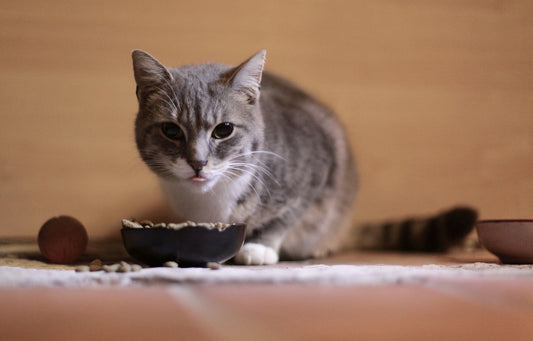
Orthopedic Cat Bowl - Elevated Anti-Vomiting De...
When selecting an orthopaedic cat bowl, pay attention to the bowl's height, angle and material. Ensure they’re right for your cat and Australian standard! Elevated bowls can assist with neck/joint...
Orthopedic Cat Bowl - Elevated Anti-Vomiting De...
When selecting an orthopaedic cat bowl, pay attention to the bowl's height, angle and material. Ensure they’re right for your cat and Australian standard! Elevated bowls can assist with neck/joint pain, making mealtimes less difficult for cats (particularly older ones). Shallow, wide bowls are good for whisker stress, which is prevalent in many of the breeds here. Stainless steel and ceramic are your best bets for effortless cleaning and safety. Keep clear of plastic, it can crack and hide germs!
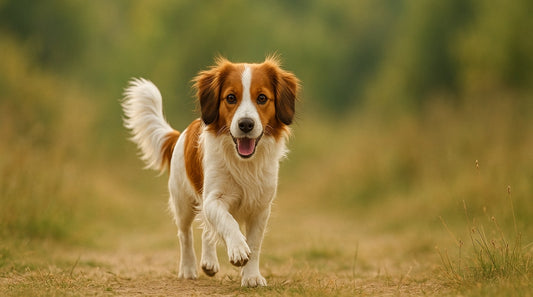
Kooikerhondje in Australia: The Dutch Duck Dog ...
The Kooikerhondje (pronounced "KOY-ker-hond-yuh") is one of Europe’s most intriguing yet underappreciated breeds—a small, cheerful spaniel whose roots trace back to 16th-century Netherlands. Known affectionately as the Dutch Duck Dog,...
Kooikerhondje in Australia: The Dutch Duck Dog ...
The Kooikerhondje (pronounced "KOY-ker-hond-yuh") is one of Europe’s most intriguing yet underappreciated breeds—a small, cheerful spaniel whose roots trace back to 16th-century Netherlands. Known affectionately as the Dutch Duck Dog, this breed was developed to work alongside hunters in elaborate waterfowl decoy systems called “eendenkooi.” Its main role was to lure ducks with playful, tail-wagging antics, gently herding them into traps for hunters.
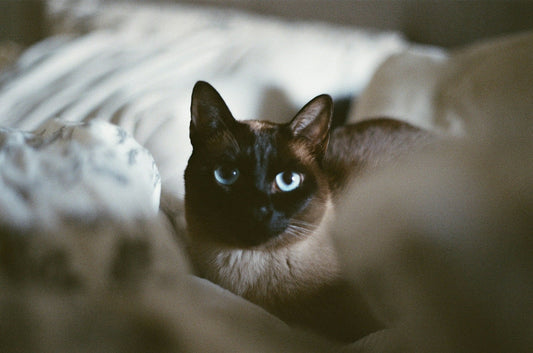
Tonkinese Cats: The Best of Both Worlds
Choosing a cat breed is a decision that shapes not only your home environment but your daily life and relationships for years to come. In Australia, cat lovers are spoiled...
Tonkinese Cats: The Best of Both Worlds
Choosing a cat breed is a decision that shapes not only your home environment but your daily life and relationships for years to come. In Australia, cat lovers are spoiled for choice, but few breeds offer the unique “best of both worlds” appeal quite like the Tonkinese. With their soft, expressive eyes and social nature, Tonkinese cats are the result of blending the affectionate, people-oriented Burmese with the elegant, vocal Siamese.
Are Slow Feeding Bowls Safe for Cats? - A Compr...
Key Takeaways Are slow feeding bowls safe for Aussie cats? Just ensure they’re constructed from sturdier and non-toxic materials such as stainless steel or BPA-free silicone. These bowls promote slow...
Are Slow Feeding Bowls Safe for Cats? - A Compr...
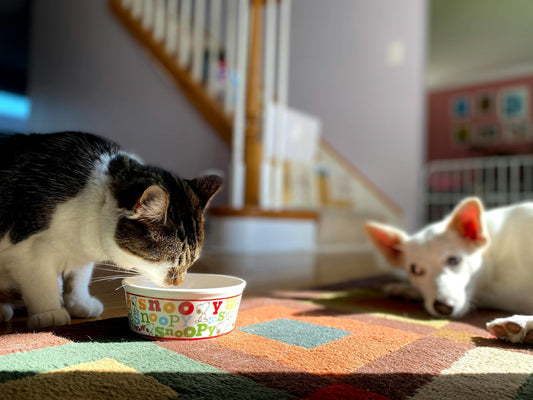
Key Takeaways Are slow feeding bowls safe for Aussie cats? Just ensure they’re constructed from sturdier and non-toxic materials such as stainless steel or BPA-free silicone. These bowls promote slow eating. This decreases the chances of us having to deal with vomiting, digestive upset, and obesity in our kitties. Slow feeders are great for mental stimulation, particularly in indoor cats, supporting physical and mental health. Not all cats take to slow feeders, though. Watch your cat’s behaviour and test out different styles if necessary. Go with a slow feeder that fits your cat’s eating style and food type. Ensure that it’s easy to clean for hygiene! “Always, always check with your local vet before trying a new feeding method.” This is particularly the case if your cat has any health issues or special requirements. These bowls slow feeding down, which may reduce the chance of vomiting and bloating in most healthy cats. In Australia, many vets approve of slow feeders for indoor cats that gobble their food or require weight management. It’s essential to pick a bowl that’s the right size for your cat and their age. Stainless steel and ceramic bowls shine through as the better options. They are easy to clean and less allergenic. Some cats can be picky about new bowls, so monitoring their eating is important. The next highlights the pros and cons before making the switch. What's a Slow Feeder Bowl? A slow feeder bowl is a pet dish designed to slow down a cat’s eating speed. Unlike normal bowls, slow feeders feature raised ridges, swirling patterns or maze-like shapes. These create barriers that force a cat to work a little harder to get to their food. Because at its heart is the desire to help dogs eat more healthily and digest better. Understanding Slow Cat Feeders Slow cat feeders solve the issue of rapid eating, which is prevalent in many Aussie homes. If a cat eats too fast, they can regurgitate their food. Slower eating reduces vomiting and keeps digestion on track,” says Dr. Sarah Goldsmith, a Melbourne-based feline vet. Puzzle designs in slow feeders do more than just slow down eating. They offer cats a little brain workout, too, making mealtimes more stimulating! This additional challenge aids portion control, which is essential for cats that are prone to being overweight. Not all cats are equal, however. Some appreciate the challenge, whereas other dogs might get frustrated and leave. Most bowls vary in terms of shape, size, and material to cater for cats’ personal tastes. How They Differ From Normal Bowls It’s all in the design. Normal bowls are generally flat and open, while slow feeders shatter the surface with obstacles. These make sure food stays inside the bowl, not outside it. They’re great even for paw-happy cats! Made from materials like BPA-free plastic, stainless steel or ceramic, they’re ideal for allergy-prone cats or those with sensitive whiskers. The Goal: Slower, Healthier Eating The goal is simple – assist kitties to eat at a more secure speed. Eating slower helps with digestion, reduces vomiting, and gives owners greater control over portion sizes. This is why slow feeder bowls are a good option to help control weight and promote health. Why Do Cats Eat So Fast? Aussie cat owners often observe their lovely felines ‘gobble’ down meals in record time, which isn’t just a quirky habit! This behavior is influenced by instinct, environment, and health. Understanding these eating habits highlights the benefits of using slow feed cat bowls, which can help promote a healthier pace for cats today. Instincts from Their Wild Ancestors Cats are descended from wild hunters that needed to eat fast - or risk losing what they’d caught. When it comes to hunting in the wild, food is hard to come by, and a leisurely dinner could see that meal taken by another animal. That instinct might stay with house cats, even if their bowl is never empty. Dr. Sarah Ellis, a behavioural expert, notes this interesting fact: many household cats still show bursts of predatory energy. Their fast eating is a hangover from their feral ancestors! Even indoor cats can gorge, as the survival instinct kicks in. Competition with Other Pets In multi-cat - or dog - households, mealtime is like a race. Cats could be encouraged to eat fast out of a sense of competition, even if there is enough food. Separate feeding spots or staggered meal times can help reduce the anxiety and slow things down. Multi-pet households tend to experience increased post-meal vomiting as cats wolf down food to not lose out. Underlying Health or Hunger Issues Eating quickly can be a sign of health problems too. Hyperthyroid conditions or diabetes make cats hungrier, hence their fast eating. Habits of eating (and speed of eating) can be altered for many reasons, a significant one being anxiety or stress. Monitor your cat’s eating behaviour,” advises local vet Dr Lisa Chimes. If something changes, consult your vet! Boredom or Lack of Stimulation Boredom or no mental stimulation can cause cats to regard mealtimes as their primary excitement. Fast eating could mean your cat is bored. Puzzle feeders or food-dispensing toys provide kitties with a task and decelerate the action. Because I have a habit of switching up feeding schedules to make meals exciting! Just Plain Love of Tucker! So some cats are just chow hounds. Excitement over a beloved flavour or morsel can send them into a eating frenzy. It’s beautiful to see a cat with their food! Moderation is key – see if slow feeding bowls or treats fed by hand help to keep them healthy. Slow Feeder Safety: The Lowdown Cat slow feeders, particularly the slow feed cat bowls, are becoming more common in Australia. This is especially the case for owners that notice their fast eater cats wolfing down their food. Although a slow feeder dish aids in digestion and provides mental stimulation, safety is paramount. Let’s run through the key safety bullet points and highlight what to consider when selecting a slow cat feeder. 1. Bowl Materials: What's Safe, Mate? Safety of materials is crucial. Food-grade silicone, ceramic and stainless steel slow feeders are the best options. They’re easy to clean and don’t scratch as easily. Plastic bowls can be dangerous – cheaper types may scratch, allowing bacteria to gather, and can leach chemicals such as BPA. Choose BPA-free and certified pet-safe materials to minimise risks,” advises Dr Brooke Schampers, a Queensland vet. Be sure to look for markings or certification that shows the bowl’s safe. 2. Potential Choking and Tooth Worries Some slow feeders have deep grooves or crevices. These can catch kibble, increasing the risk of choking or dental damage. Observe your cat while it eats and make sure food isn’t getting stuck. Choose feeders with smooth wave patterns and wide gaps. ‘Request regular dental checks from your vet, especially if you start to notice changes in chewing,’ she adds. 3. Cat Frustration: A Real Issue? Not all cats enjoy puzzles at mealtimes. Frustration signals – such as aggression or neglecting the food – indicate the feeder may be too well concealed. One Sydney-based behaviourist, Dr Kim Kendall, recommends beginning with basic designs for fussy or elderly cats. 4. When Are They a Bad Idea? Slow feeders aren’t suitable for all cats, though. Flat bowls are best for dental pain, arthritis or extreme anxiety, you’ll be better off. Personalised food puzzles can make mealtimes more enjoyable. If your cat isn’t able to adjust, consider offering smaller, more frequent meals. 5. Chat to Your Aussie Vet First Always check with your vet first. Vets can advise on the suitability of slow feeders based on your cat’s age, health, and eating patterns. If your cat is eating less or eating more, tell your vet! More Than Just Slow Eating Slow feeder bowls are more than just a way to slow your cat down. For a number of Aussie pet owners, these feeders are just one aspect of a holistic approach to cat care. Slow feeders do more than simply prevent greedy eating. The right one nurtures your cat body and mind, reinforcing well-being for life and promoting better practices in the home. Better Digestion for Your Furry Friend Furthermore, cats that eat too fast often swallow air, which can cause bloating and discomfort. Slow feeders assist by delaying meals which support digestion and nutrient absorption. Vets around Australia have noticed an interesting trend. Steady eaters are less prone to upset tummies, diarrhoea or constipation. Monitor your cat’s litter box after you switch to a slow feeder. These alterations can signal early signs of better gut health! Helping with Weight Management Over half the cats presented in Australian clinics are overweight or obese. The proper portion control is crucial for cat obesity prevention,” states Dr Kate Mornay, a Sydney-based vet. Slow feeders prolong every meal, encouraging the appetite and reducing overindulgence. These bowls make it easier to follow recommended portions, meaning weight loss occurs gradually and safely. Mental Workout for Your Cat There’s a really strong instinct to hunt and forage in cats. Puzzle-style slow feeders challenge them mentally, interrupting the repetition of being indoors and relieving boredom. Rotating feeder types keeps meals interesting and fun, promoting wellness beyond physical health. Reducing Vomiting and Regurgitation Fast eating usually involves eating (and vomiting/regurgitating) soon afterwards. Eating more slowly, as promoted by slow feeders, can avert this. Less messes and a happier, more comfortable cat will be waiting. Any Downsides to Slow Feeders? Although slow feed cat bowls provide genuine advantages for numerous Australian cats, they are not a solution that fits all. Some cats enjoy the challenge of a slow feeder dish, while others may find it too challenging or not interesting. So what are the main downsides, and how might they impact your feline at home? Not All Cats Take to Them Some cats simply aren’t keen on slow feeders. They may just turn their noses up at the bowl or become frustrated, particularly if they’re accustomed to ordinary dishes. Food-driven or anxious cats can get frustrated, making mealtime stressful. Some cats get obsessed with retrieving the food. This can create mess or even become aggressive,” says Dr Kate Mornay, a Sydney-based kitty vet. You need to see your cat’s reaction. Experiment with other shapes or patterns to see what your cat likes. Patience and careful attention make the transition a lot easier. Some Designs Are a Pain to Clean Some slow feeders have multiple grooves, nooks or tight corners. They can catch food and make for difficult cleaning. If it is not cleaned properly, bacteria can build up. This can endanger your cat’s health, particularly in hot, humid environments such as Queensland. Opt for smooth, dishwasher safe bowls to save time and keep things hygienic. Frequent cleaning is essential – plastic can breed bacteria, so many vets recommend ceramic or steel. Can Be Messy with Wet Food Wet food in slow feeders can be a messy affair. Certain designs don’t contain spills very well, resulting in sticky patchy messes on your kitchen floor. For cats with wet diets, select slow feeders made for liquids or softer food. These typically have fewer ridges and deeper sides. Cleaning up after every meal prevents smells and deters bugs. Pick the Perfect Slow Feeder Choosing the ideal slow feed cat bowl for your kitty involves more than just looks; it must align with your cat's eating habits, type of pet food, and personality. An appropriately sized slow feeder dish helps prevent issues like regurgitation, promoting better digestion while providing a slight mental challenge. Let’s delve into the specifics of selecting the best option. Consider Your Cat's Personality Cats vary in their reaction to slow feeders. A nosy or mischievous cat might go for puzzle bowls, treating them as a game. For the more timid or nervous of felines, a less fussy design can ease mealtime stress. It’s best to observe your cat to see how they respond with different feeder styles,” says Dr D'Amato. This’ll help you select one that keeps them occupied without causing annoyance. Matching enrichment to a cat’s specific personality is key, says Dr. Kate Mornement, a leading animal behaviourist. This method increases a cat’s interest and decreases the chances of feeding problems. Match Bowl to Food Type Not all slow feeders suit all food. Bowls with deep grooves are well-suited to dry kibble, whereas wider, shallower patterns are better for wet food. Wet food can often seize up in corners, meaning feeding time can be far messier and less fun! For mixed diets, some bowls provide inserts or removable barriers to make them more versatile. Take the food and the feeder’s size and shape into account. Easy Cleaning is Key It needs to be easy to clean in order to avoid bacteria build-up. Dishwasher-safe stainless steel and BPA-free plastic make your life easier too. Avoid feeders with deep crevices, as crumbs can become lodged. Occasional cleaning with a weak bleach solution keeps it safe and healthy for your pet. Check for Sturdy, Safe Design The stability stops tipping and mess. Seek out feeders with a weighted base or non-slip bottom. Materials should be non-toxic and tough enough to withstand daily use. Durability counts, particularly for bigger or determined cats. A few feeders even allow you to programme several small meals a day, for added convenience. Conclusion Slow feeder bowls are a great option to give cats a fighting chance at mealtimes. These bowls prevent gulping, lower the risk of choking and make dinner time just that little bit more fun. In most Aussie homes, cats use them without issue. Some may take a moment to learn the new trick, but the majority catch on very quickly. Good bowls demonstrate durable construction, safe materials, and easy cleaning. Keep an eye on your cat at first, but the majority adapt readily. A slow feeder works for all cats, from city apartments to country houses. Eager to aid your cat in slowing down or to keep them occupied? Try a slow feeder and see the difference for yourself. Your cat’s wellbeing is important! Frequently Asked Questions Are slow feeder bowls safe for cats in Australia? Yes, slow feed cat bowls are safe for most felines, as they are crafted from pet-safe materials and help minimize the risk of choking and vomiting. Can any cat use a slow feeder bowl? The majority of cats today can benefit from slow feed cat bowls, while flat-faced cats or special needs felines may require a different style. Do slow feeder bowls help with hairballs? Can slow feed cat bowls reduce hairballs? A slow cat feeder promotes slower eating, leading to less air ingested and reduced regurgitation! How do I clean a slow feeder bowl? Most slow feed cat bowls in Australia are dishwasher-safe, while others can simply be washed in warm soapy water. Can kittens use slow feeder bowls? Are slow feed cat bowls safe for kittens? Simply select a slow feeder dish with a small-mouth-appropriate design. Will a slow feeder bowl stop my cat from overeating? Slow feed cat bowls can help slow down eating habits but won’t prevent overeating altogether; portion control is still required. Are plastic slow feeder bowls safe for cats? Plastic slow feed cat bowls are safe if they’re BPA-free and of good quality, while ceramic or stainless steel slow feeder dishes might be best for plastic-sensitive cats.

Xoloitzcuintli (Mexican Hairless) Dogs in Austr...
The Xoloitzcuintli (pronounced show-low-eats-QUEEN-tlee), commonly called the Xolo or Mexican Hairless, is among the oldest and most remarkable dog breeds still in existence. With its ancient lineage, the Xolo embodies...
Xoloitzcuintli (Mexican Hairless) Dogs in Austr...
The Xoloitzcuintli (pronounced show-low-eats-QUEEN-tlee), commonly called the Xolo or Mexican Hairless, is among the oldest and most remarkable dog breeds still in existence. With its ancient lineage, the Xolo embodies a blend of myth, science, and companionship, now making its way into Australian homes and hearts.

Himalayan Cats: The Persian-Siamese Blend
The Himalayan cat, sometimes lovingly called the “Himmie,” is a captivating feline breed that draws admirers from around the world—including right here in Australia. As a carefully crafted blend of...
Himalayan Cats: The Persian-Siamese Blend
The Himalayan cat, sometimes lovingly called the “Himmie,” is a captivating feline breed that draws admirers from around the world—including right here in Australia. As a carefully crafted blend of the luxurious Persian and the elegant Siamese, the Himalayan combines regal beauty with a charming personality. With their sapphire-blue eyes, colour-pointed coats, and affectionate disposition, Himalayans are frequently described as “the best of both worlds.”
The Health Benefits of Elevated Cat Bowls - Wha...
Elevated cat bowls mean that cats can eat and drink in a more natural, relaxed fashion. They keep Aussie homes cleaner! Elevated bowls are higher off the ground. This design encourages...
The Health Benefits of Elevated Cat Bowls - Wha...
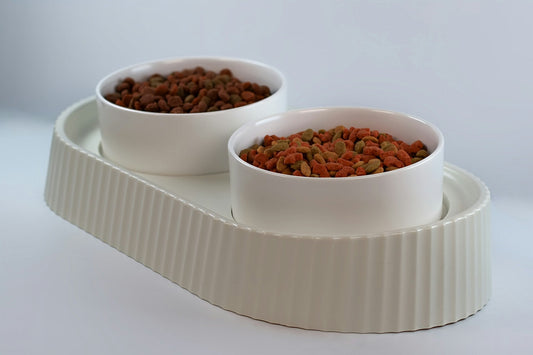
Elevated cat bowls mean that cats can eat and drink in a more natural, relaxed fashion. They keep Aussie homes cleaner! Elevated bowls are higher off the ground. This design encourages senior kitties or those with joint pain to not crouch as low. It’s better for comfort and can ease mealtimes on their neck and back!

Tibetan Mastiffs in Australia: What to Know Bef...
The Tibetan Mastiff is a breed cloaked in legend and revered for its ancient origins as a protector of Himalayan villages, monasteries, and livestock. Recognised for both its regal presence...
Tibetan Mastiffs in Australia: What to Know Bef...
The Tibetan Mastiff is a breed cloaked in legend and revered for its ancient origins as a protector of Himalayan villages, monasteries, and livestock. Recognised for both its regal presence and uncompromising guardianship, this breed holds a unique place in canine history and is gaining recognition in Australia among those seeking a loyal, imposing, and intelligent companion.

Meet the Norwegian Lundehund: Australia’s Rares...
The Norwegian Lundehund stands as one of the most distinctive and seldom-seen dog breeds in Australia. With its roots stretching back to the rugged coastal cliffs of Norway, this breed...
Meet the Norwegian Lundehund: Australia’s Rares...
The Norwegian Lundehund stands as one of the most distinctive and seldom-seen dog breeds in Australia. With its roots stretching back to the rugged coastal cliffs of Norway, this breed was once relied upon by Scandinavian fishermen for its remarkable ability to scale steep rocks and retrieve puffins—a vital source of food. What sets the Lundehund apart from every other breed is its remarkable anatomical adaptations: six toes on each foot, double-jointed flexibility, and the capacity to close its ears to protect against water and debris.

Best Collars for Dogs That Pull: Vet-Approved P...
Key Takeaways Dogs that pull on the lead may suffer from neck strain or behavioural issues if the wrong collar is used. Vet-approved collars like martingales and head halters offer...
Best Collars for Dogs That Pull: Vet-Approved P...
Key Takeaways Dogs that pull on the lead may suffer from neck strain or behavioural issues if the wrong collar is used. Vet-approved collars like martingales and head halters offer more humane and effective control. Tools alone don’t solve pulling — they must be used with proper training and positive reinforcement. Australian pet owners should be aware of state-specific laws around the use of corrective collars like prong or shock collars. Choosing the right collar depends on your dog’s size, strength, and temperament — and not all collars work for every dog. This guide helps you understand which collars are safest, most effective, and recommended by Australian vets and trainers. Your Dog’s Happiness Starts Here - at PetCareShed Introduction Pulling on the lead is one of the most common complaints from dog owners. Whether it’s a young puppy excited to explore the world or a large dog that simply doesn’t know how strong it is, leash pulling can make daily walks stressful — even dangerous. For Australian pet owners, especially those walking in busy suburbs, parks, or bushland trails, having control of your dog is essential. But the solution isn't just about brute strength — it’s about choosing the right tools that promote comfort, safety, and better behaviour. In this article, we explore the best collars for dogs that pull — those recommended by veterinarians and animal behaviour experts — and explain how to use them effectively. We'll also guide you through what to avoid, what the law says in Australia, and how to pair the right collar with proven training techniques. Shop PetCareShed’s Most-Loved Dog Products Why Dogs Pull on the Leash Understanding why your dog pulls is the first step in fixing it. Contrary to popular belief, pulling isn’t necessarily about dominance or defiance. It’s often more about excitement, poor leash manners, or a simple case of what gets rewarded, gets repeated. Common Reasons Dogs Pull: Excitement or overstimulation: New smells, sights, and sounds make walks thrilling. Lack of early leash training: Dogs not trained as pups may never learn proper walking etiquette. Reinforced pulling: If pulling gets your dog where it wants to go, it learns to repeat it. Breed traits: Working breeds like Huskies, Staffies, and Kelpies often pull more due to strong drive. Infrequent walking: Dogs that only walk occasionally tend to be more energetic and harder to manage on leash. 🗨️ “Dogs pull because it works. If they get to a smell or a person faster, the behaviour is reinforced.” — Dr. Kate Mornement, Australian Animal Behaviourist Your Dog’s Happiness Starts Here - at PetCareShed Risks of Using the Wrong Collar on a Dog That Pulls Using an inappropriate collar on a pulling dog isn’t just ineffective — it can be harmful. Pulling with a regular flat collar or choke chain can result in long-term damage or distress. Potential Risks Include: Neck strain and tracheal injury: Especially dangerous for small breeds and brachycephalic dogs. Increased anxiety or aggression: Painful collars can create negative associations with walking. Escape risk: Some collars are easier for dogs to slip out of when pulling. Legal implications: Certain collars, like prong and shock collars, are regulated or banned in parts of Australia. ⚠️ According to the RSPCA, aversive training tools like choke or prong collars “can cause pain and fear, and may lead to increased aggression and behavioural issues.” (source). What Vets Recommend: Principles Behind Safe Collar Use Veterinarians and animal behaviourists emphasise humane training tools that promote trust and reduce stress. This aligns with what’s known as "force-free training", which avoids pain or intimidation. Key Principles Vets Emphasise: Use collars that minimise pressure on the neck. Ensure the collar fits properly — not too tight, not too loose. Choose materials that don’t cause rubbing or irritation. Combine tools with positive reinforcement (treats, praise). Transition to simpler collars as the dog becomes better trained. 🗨️ “The most effective tools are the ones that make walking a positive experience for both dog and owner.” — Dr. Cam Day, Veterinary Behaviourist (Australia) Top Vet-Approved Collars for Dogs That Pull Not all collars are created equal. Below are the top types of collars (and alternatives) that vets and trainers frequently recommend. 1. Martingale Collars Also called limited-slip collars, martingales tighten slightly when the dog pulls — but without the harsh “choking” action of a traditional slip lead. Best For: Dogs with narrow heads (e.g., Greyhounds, Whippets) Dogs that slip out of flat collars Pros: Offers gentle correction Prevents slipping out Recommended by behaviourists Cons: Still applies pressure to neck — not suitable for heavy pullers ✅ RSPCA Australia supports martingale collars as a safer option for dogs that pull, especially when used alongside training. 2. Head Collars (e.g., Halti, Gentle Leader) These collars fit around the dog's snout and gently guide the head — and therefore the body — making pulling less effective. Best For: Large, strong dogs Reactive dogs needing more directional control Pros: Immediate reduction in pulling Helps prevent lunging Cons: Some dogs resist wearing it at first Requires acclimation and proper fit 🗨️ “Used correctly, head halters can be highly effective. But misuse can cause neck strain, so training is essential.” — Dr. Jo Righetti, Pet Behaviour Consultant 3. Front-Clip Harnesses (Not collars, but often preferred) Harnesses like the PetSafe Easy Walk or Rogz Control Harness offer an alternative by redistributing pressure across the dog’s chest rather than its neck. Best For: Dogs that pull heavily or have respiratory issues Owners who struggle with leash strength Pros: Safer than collars for heavy pullers Reduces pulling through redirection Popular in Australian obedience circles Cons: Can cause rubbing if poorly fitted May not deter very determined pullers 🐾 Note: In many Australian vet clinics, front-clip harnesses are the go-to recommendation for large breeds and rescue dogs. 4. Flat Collars (for well-trained dogs only) Simple and comfortable, these collars are suitable once your dog is trained to walk calmly. Best For: Dogs with reliable leash manners Everyday ID tag wear Caution: Never rely on a flat collar alone if your dog is still learning not to pull. Collars to Avoid for Pulling Dogs Some collar types are outdated, inhumane, or outright dangerous — especially when used incorrectly. 1. Choke Chains Designed to tighten around the neck when the dog pulls. Once popular, now widely criticised. ❌ “We do not recommend choke chains under any circumstances.” — Australian Veterinary Association 2. Prong Collars Metal collars with inward-facing prongs that dig into the skin when pulled. Banned in Victoria and under review in other states. May cause behavioural fallout, fear, and aggression. ⚠️ The RSPCA and Pet Industry Association of Australia oppose their use. 3. Shock Collars (E-collars) These collars deliver electric stimulation to “correct” behaviour. Legal status varies across Australia (banned in some states). Not recommended by any major Australian veterinary body. “Using pain to control behaviour is not only unethical — it doesn’t work long-term.” — Dr. Katrina Warren, TV vet and author Choosing the Right Collar: What to Consider Every dog is different, and the best collar for one may not be suitable for another. To select the right collar for a dog that pulls, you’ll need to assess their physical characteristics, behaviour, and environment. Factors to Consider: Size and Breed Smaller breeds (e.g., Maltese, Cavoodles) may need softer materials and minimal pressure around the neck. Larger or working breeds (e.g., Kelpies, Labradors) may benefit from front-clip harnesses or head collars due to stronger pulling. Pulling Intensity Mild pullers might do well with a martingale. Strong pullers may require a head halter or harness for safe control. Temperament Anxious or nervous dogs may become reactive with restrictive collars. Confident dogs may test limits and need something more secure. Walking Environment Suburban footpaths vs bush trails vs beach walks—some collars handle moisture or rough terrain better. Training Level Dogs early in training need more control. Trained dogs may graduate to a padded flat collar. How to Fit a Collar Properly Poor fit is a common issue that can make even the safest collar ineffective—or harmful. General Fitting Guidelines: The 2-Finger Rule: You should be able to slide two fingers comfortably between the collar and your dog’s neck. Measure Before You Buy: Use a soft measuring tape to measure your dog’s neck at its base. Watch for Signs of Discomfort: Rubbing or hair loss Coughing or gagging on walks Frequent pawing at the collar Slipping out or constant re-adjustment Tips for Head Collars and Harnesses: Ensure the nose loop (for head collars) isn’t too tight — your dog should be able to open their mouth. Chest harnesses should sit snugly on the breastbone, not press against the armpits. 🗨️ “A poor-fitting collar can lead to discomfort, skin damage, or worse — especially for dogs that pull hard.” — Dr. Melissa Meehan, Vet & Behavioural Consultant Training Tips for Dogs That Pull A collar is just a tool. To see lasting results, pair it with consistent training that encourages your dog to walk calmly on a lead. Foundational Training Techniques: Reward-Based Walking: Reward your dog with treats or praise when they walk beside you without pulling. Stop walking immediately when they pull — teach them pulling gets them nowhere. Redirection: Use a cue like “Let’s go!” and change direction often to keep your dog focused. Short, Frequent Walks: Consistency is better than duration. Several short walks help reinforce good habits. Engage a Certified Trainer: Seek a professional who uses positive reinforcement methods. Avoid trainers who rely on punishment-based tools like prong or shock collars. 🔗 For trainer directories, visit: Delta Institute (Australia) or PPGA Australian Perspective: What Local Vets and Laws Say Australia has some of the strictest animal welfare laws in the world, particularly concerning aversive training tools. Legal Status of Collars in Australia (as of 2025): Prong Collars: Banned in VIC; under review in NSW and ACT. Shock Collars: Banned in parts of SA and WA. Choke Chains: Not illegal but strongly discouraged by vets and the RSPCA. Martingale, Head Collars, and Front-Clip Harnesses: Fully legal and recommended. Trusted Brands Available in Australia: Rogz Utility Control Collar (available at PetCareShed) Halti Optifit Headcollar PetSafe Easy Walk Harness Black Dog Wear Training Gear (Australian-made) 🗨️ “Responsible collar use means choosing what’s humane and effective. Australia leads the way with a shift to force-free training methods.” — Association of Pet Dog Trainers Australia Expert Commentary and Vet Insights Multiple Australian professionals advocate for smarter collar choices based on evidence, not tradition. 🗨️ “We’re seeing a move away from force-based collars in vet clinics. Behavioural injuries are real, and prevention starts with the right gear.”— Dr. Bronwyn Hodgson, Sydney Animal Hospital 🗨️ “Using a collar that aligns with how a dog thinks and learns is more powerful than forcing control.”— Stephanie McColl, Delta Accredited Trainer, Melbourne 🗨️ “Insurance claims related to neck injuries are rising in dogs that wear outdated collars. Choose gear that protects, not punishes.”— PetSure Australia 2024 Industry Report Related Products from PetCareShed At PetCareShed, we stock safe and trusted collars recommended by vets and trainers: Rogz Control Collar with Locking Buckle Halti Headcollars and Training Leads PetSafe Easy Walk Harness – Front Clip Martingale Training Collars in Soft Nylon Comfort-Fit Flat Collars for Trained Dogs ✅ Free shipping across Australia💬 Need help choosing? Contact our product specialists. Frequently Asked Questions Are no-pull collars safe for puppies? Yes, many are — especially front-clip harnesses and head halters. Always introduce them slowly and pair with positive training. What if my dog still pulls with a no-pull collar? Consider a professional trainer. No collar will work without consistent reinforcement and behaviour shaping. Can I use a training collar with a retractable leash? It’s not recommended. Retractable leashes encourage pulling and reduce your control — especially with corrective tools. How long does it take to train a dog to stop pulling? This depends on age, breed, and consistency. Some dogs respond in days, others may take weeks to months of practice. Are head halters cruel or uncomfortable? Not when fitted properly. They’re like a horse halter — they guide, not punish. Always supervise use.

Abyssinian Cats: Active and Intelligent Felines
The Abyssinian cat is a breed that captivates hearts and minds alike, known for its remarkable intelligence, boundless energy, and striking appearance. Often described as the "athlete" of the feline...
Abyssinian Cats: Active and Intelligent Felines
The Abyssinian cat is a breed that captivates hearts and minds alike, known for its remarkable intelligence, boundless energy, and striking appearance. Often described as the "athlete" of the feline world, the Abyssinian is more than just a pretty face; it is a companion that brings adventure, joy, and a touch of the exotic into the homes of Australian pet lovers.

Polish Lowland Sheepdog in Australia: Grooming,...
The Polish Lowland Sheepdog is an intelligent, medium-sized herding dog with a long legacy tied to the rural fields and farmlands of Poland. In its homeland, this breed is affectionately...
Polish Lowland Sheepdog in Australia: Grooming,...
The Polish Lowland Sheepdog is an intelligent, medium-sized herding dog with a long legacy tied to the rural fields and farmlands of Poland. In its homeland, this breed is affectionately called the Polski Owczarek Nizinny or PON, which translates to "Polish Lowland Sheepdog." Over centuries, these dogs have been prized for their keen problem-solving skills, robust health, and an unwavering devotion to their flock and family.

What Is the Safest Collar for a Dog? Vet-Approv...
For many Australian dog owners, a collar is more than just a fashionable accessory — it’s a critical piece of safety gear. Whether it’s holding identification tags, attaching a lead...
What Is the Safest Collar for a Dog? Vet-Approv...
For many Australian dog owners, a collar is more than just a fashionable accessory — it’s a critical piece of safety gear. Whether it’s holding identification tags, attaching a lead for daily walks, or signalling that a dog has a home, collars play a vital role in your dog’s everyday life. But not all collars are created equal. A poorly designed or incorrectly fitted collar can cause serious problems. Dogs have been known to suffer from tracheal injuries, skin infections, and even escape from their collars, which can lead to frightening scenarios. According to the RSPCA, a significant number of stray dogs found in Australia each year were wearing collars that either broke or slipped off.

Birman Cats – Sacred Companions with a Gentle N...
Birmans are often called the “Sacred Cats of Burma,” and their origin story is steeped in myth. According to legend, these cats were companions to temple priests in ancient Burma...
Birman Cats – Sacred Companions with a Gentle N...
Birmans are often called the “Sacred Cats of Burma,” and their origin story is steeped in myth. According to legend, these cats were companions to temple priests in ancient Burma (now Myanmar). The story tells of a devoted cat named Sinh, whose transformation at the moment of his priestly master’s death—changing from white to golden with striking blue eyes and snow-white paws—was a divine reward for loyalty and faith. While historians acknowledge this story as beautiful folklore, it has helped shape the breed’s aura of mystery and reverence worldwide.
Slip Rope Leash for Small Dogs - Benefits and U...
Key Takeaways Slip rope leashes control little dogs sweetly. Ideal training and everyday walk leashes in any Aussie situation. The straightforward loop design makes these leads easy to use. You...
Slip Rope Leash for Small Dogs - Benefits and U...
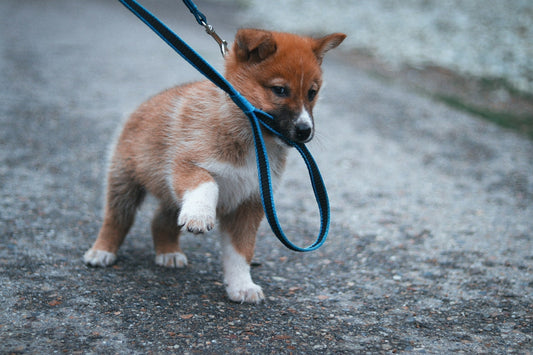
Key Takeaways Slip rope leashes control little dogs sweetly. Ideal training and everyday walk leashes in any Aussie situation. The straightforward loop design makes these leads easy to use. You can easily tweak them for a snug but comfortable fit around your mini pal’s neck! Opting for lightweight and high quality stuff such as soft nylon or cotton avoids irritation. This makes these slip leashes strong and secure for small dog breeds. Always tighten the slip to a comfortable degree without restricting movement. Watch your dog carefully to prevent choking hazards! Slip rope leashes are functional for crowded parks, bushwalks, or days out on the beach. It’s really important to evaluate your dog’s temperament and look for alternatives if your dog is anxious, or has breathing difficulties. “Routine training, positive reinforcement and constant check of the leash are very important.” They make safe and fun walks for you and your small dog! Slip Rope Leashes for small dogs are lightweight leads made from strong rope. They have a loop that goes over the dog’s head, acting as a collar and a lead. It’s something trainers and walkers – including in Australia – are fond of using. They give instant control and help with training commands or loose-lead walking. Numerous small dog parents love their simplicity. This is particularly pronounced when wandering through parks or crowded pavements in cities such as Sydney or Melbourne. They’re ideal for dogs that don’t pull much and require a gentle guide, not a tight hold. Here, we look at how to know when to use a slip rope leash. We'll even throw in its advantages, safety considerations, and how to size one up for your little buddy. What Is A Slip Rope Leash? What is a slip rope leash? It creates a loop that tightens when you put pressure. It simply slides over the dog’s head and is held in place sans additional buckles or clips. For small dogs, this leash can be made with lighter materials such as nylon or cotton. Slip leashes are especially effective,” says Dr Emily Blackwell, a canine behaviourist. They offer an easy way to go for a controlled walk, particularly for smaller breeds that need soft handling,” she says. 1. The Basic Loop Design Explained It’s a simple loop design. The rope passes through a ring to create a slip loop, which becomes tighter or looser based on the dog's movements. For small dogs, the loop needs to be snug but not tight – you should be able to fit two fingers in to prevent choking. This style allows for a firm hold during walks. So simple for owners to use, even if they’re newbies on lead handling! 2. How It Differs From Collars Unlike typical collars, slip leashes don’t have set-placement buckles. They are less likely to slip off and make walks safer for small dogs that are wiggly. Used correctly, the leash softly guides direction. Regularly checking the fit can help prevent injury. 3. Materials Suited for Small Mates Nylon, cotton, and soft rope slip leashes are ideal for comfort and durability. Lightweight fabrics prevent the leash from weighing down delicate necks, making them a perfect alternative for leash training and daily walks. 4. Why Adjustability Matters for Littlies Because you can adjust the loop size of the nylon slip lead dog leash, it’s a perfect fit for any dog's neck. Owners can swap the fit for training purposes or play, keeping their canine companion safe and comfortable. 5. Built for Aussie Adventures? Slip leads, made from durable nylon, are great for bush, beach, or city walks, providing gentle guidance for your energetic pup. Slip Leashes: Good or Bad? Slip rope leashes for small dogs are both lauded and lambasted by Australian pet owners and trainers alike. They’re often used for training and everyday walks. Their effectiveness and hazards depend on when and how you use them. Consider the pros and cons (for and against) using a slip leash before choosing one. Consider your dog’s temperament, comfort and day-to-day requirements. The Upsides for Tiny Dogs Slip leashes give handlers better control. They provide soft direction, particularly useful for controlling bouncy or reactive small pooches. They’re lightweight so won’t drag down small breeds like Chihuahuas or Mini Dachshunds. Easy to slip on and off for many owners – particularly dogs that wiggle when you put harnesses on. Trainers around Australia, such as Steve Austin, point out the benefits of slip leashes. They make teaching dogs to walk nicely easy, tightening when the dog pulls and relaxing when the dog softens. That feedback can help you reinforce good walking habits. Potential Downsides to Consider Used incorrectly, slip leashes are dangerous. I’m not a fan of slip leads because if they’re pulled too tight or used unsupervised they can choke or hurt. Anxiety-prone dogs often do not react well to the pressure on their necks. Inappropriate use of collars or leashes can be harmful or upsetting. Supervision on walks is key. Proper fit is just as important—the rule of thumb is to fit two fingers between collar and neck. You don’t want your dog to be on a slip leash unless they are 6 months old and have basic obedience, the pros say. Our Honest Take on Them Slip leashes, such as the nylon slip lead dog leash, are by no means a panacea, and there’s no advantage to every dog. Owners should balance their pet's needs and temperament, especially when considering leash training techniques. Safe Slip Leash Use for Pups Slip rope leashes are convenient, but there’s a few considerations to take into account when using them with small dogs. In Australia, where the city streets meet the bush trails, the ideal approach ensures pups are safe and happy. You want to pay attention to your dog's comfort - little dogs have delicate necks, and an overly-tight leash can do damage. Make sure you can fit two fingers between the leash and the dog’s neck. (Vets frequently recommend this!) Say no thanks to slip leashes for dogs under six months! Their neck cartilage is soft and trachea collapse a danger. Are They Safe for Smalls? When fitted properly, slip leashes will prevent escapes. It's particularly great for small breeds that have a habit of wriggling out of their collars! Opt for small sized leash to snip choking Panics. Never leave an excitable or reactive dog alone on a slip leash - sudden jerks can injure them! For flat-faced breeds, such as Pugs and French Bulldogs, experts caution against slip leashes on breathing grounds. Vet & Trainer Views Both Aussie vets and trainers agree: slip leashes need careful training and supervision. Hearing lots of people recommend to use them in conjunction with positive reinforcement, rather than as a standalone training aid. Harnesses are safer for younger pups or sensitive breeds,” offered Dr Emily Stokes, a Sydney vet. Trainers advise using slip leashes with professional support for optimum use. Must-Have Safety Features Seek out leashes with stoppers or limited-slip adjusters. Materials should be smooth, soft, without rough seams. Reflective strips are important for night walks. Ergonomic handles assist, particularly for urban walks. Preventing Choking Dangers Adjust frequently, leave the fit relaxed, and watch out for stress signals. Teach your pooch leash cues. Replace worn leashes immediately to prevent a sudden break. Choose a safe slip leash that is sized for your dog’s breed and weight. Using Your Slip Leash Right Correct use of a slip rope leash for small dogs depends on a couple of things. Regular, conscious practice is key. This Australian leash style is all the rage for its ease and mastery, fusing collar and lead in one. Its O-ring design allows you to loop and tighten the leash. The trick is getting that fit just right–snuggly, not tight! A good rule: always fit two fingers between the collar part and your dog’s neck. This makes it comfortable, while still holding the leash securely. Regular practice breeds familiarity for both you and your dog. Consistency in cues and commands helps reinforce expectations. Quiet, controlled walks really help. Dogs sense your mood, so a calm, relaxed attitude can relieve tension and produce better behaviour. Dogs respond best, says Sydney-based vet Dr Kate Mornay, when their handler is calm and consistent. This is particularly the case with slip leashes. Nailing the Perfect Fit Be careful to adjust your slip leash before you set out every time. Make sure it’s not too loose or too tight - look for that two-finger gap! As your pup matures, check the fit – small dogs can warp quickly in their formative years. Make sure the leash sits high on the neck, not sliding down or constricting movement. Gentle Release Technique Loosen your hold (don’t pull back). Positive reinforcement, whether a treat or a kind word, is what allows your dog to associate loose leash walking with good. Giving your dog safe opportunities to explore may increase confidence, but it requires patience. Mistakes Owners Often Make Mistakes include overtightening and failure to check fit. One is erratic commands, which muddle your pup. Training should remain positive – don’t correct harshly, as this will create fear. Learning your dog’s signals will avoid slips or jerks. Tips for Smooth Walks Keep your hold light. Treats or favourite toys work for motivation. Breaks are for comfort on longer walks. Frequent little sessions can solidify desirable behaviours, turning the slip lead into an everyday weapon. When to Use (And Not Use) Selecting the appropriate small dog lead, such as a soft rope slip leash, requires some consideration. While slip lead dog leashes can be effective alternatives, they may not suit every dog or situation. Knowing when to reach for one can make daily walks easier for you and your canine companion. Ideal Times for a Slip Lead Slip leads are good for formal training, particularly for small dogs who are learning polite walking. In Australia, a lot of trainers like them for fast on-off access at obedience classes or in controlled environments. In busy urban areas, a slip lead ensures your active pooch is close by. It provides distinct feedback with a light amount of pressure. For energetic dogs, the slip design provides handlers with extra guidance, aiding in creating better habits on the go. When you’re out bushwalking or at the beach, the simple loop design means you can leash up your dog in a hurry. This is a great benefit to preventing your furry friend escaping in open spaces. Please take note of this advice from experts, such as Sydney-based behaviourist Dr. Tanya Mitchell: slip leads must not pinch. Always make sure that you can fit two fingers comfortably between the collar and your dog’s neck! When to Skip the Slip Lead Slip leashes aren’t appropriate for every dog or every situation. Dogs with aggressive tendencies, neck injuries, or breathing trouble (think pugs or shih tzus) should wear a harness. For puppies under six months, or those who are still learning their basics, a fixed collar (or harness) is safer. If your small dog pulls too hard, it can hurt their neck. Getting excited around other animals can stress them out too. Comfort and safety must come first. Aussie Park & Trail Smarts Australia’s parks and bush trails present their own challenges. Kangaroos, birds, and off-lead dogs can tempt even the calmest pet. Always have the slip leash adjusted snugly (but not too tight). Be informed about local leash laws – some councils mandate fixed leads. On busy tracks, bring your dog in close and keep an eye out for wildlife. Choosing a Quality Slip Leash When selecting a slip lead dog leash for small dogs, prioritize their comfort for a positive experience. Not all soft rope slip leashes are created equal; quality materials, construction, and features significantly impact the leash's performance and longevity. Right Size for Your Little Mate Getting the correct size begins with a good measure of your dog’s neck. It’s soft tape for comfort. Ensure you can fit two fingers between the lead and the neck - this is to prevent choking. For small breeds, a 10mm wide rope is the way to go as it won’t dig into skin. It should be snug, but not tight. Always check breed and neck size. Brachycephalic breeds such as pugs or shih tzus require added extra care because of breathing problems. Brand size guides are useful, so don’t skip checking them! Durable Materials: What to Look For A sturdy slip lead employs materials that hold up to daily walks. Nylon is a popular one! Polypropylene is ideal for wet pursuits because it floats – great for dog owners taking their dogs close to water. Weather-resistant coatings and tough stitching make for longevity. A leash that frays or splits easily isn’t worth it. Always check for strong joinery and clean finishes. Features That Actually Help Useful extras enhance value. Padded handles prevent sore hands, while reflective strips help you stay visible in low light. Adjustable lengths allow you to switch control as required, ideal for varying walks. Leash Care for Longevity Wash off dirt and grime to keep the leash clean. Look out for frays or weak points regularly. Store it dry and out of direct sunlight to prevent weather damage. Conclusion Slip rope leashes offer little dogs a practical, easy to use solution for walking and training. Aussie pet owners frequently use them for fast errands, vet check-ups, or training at the park. You have decent control without much kit. When made properly, a slip leash sits light on your dog but brings them in close if need be. Look out for soft rope and a smooth slide—not too tight, not too loose. Keep an eye on your pup’s body language, and don’t leave them tied up on one. Give a couple of Aussie brands a go, see what suits your style and your dog’s needs. Have a slip leash story or tip? Share your yarn in the comments below! Frequently Asked Questions What is a slip rope leash? A nylon slip lead dog leash is a lead with a noose that slips over your little dog’s head. It constricts if your dog pulls, providing gentle guidance, and loosens when they cease. Are slip rope leashes safe for small dogs? Yes, if used appropriately with a nylon slip lead dog leash! Always supervise your dog and adjust the slip lead dog leash to sit high on the neck. When should I use a slip rope leash? Use a soft rope slip leash for short walks, training purposes, or quick trips; it’s brilliant for non-pulling, already-leash-trained dogs. Can slip rope leashes hurt my small dog? If incorrectly fitted or used roughly, a nylon slip lead dog leash can injure your dog’s neck. Always treat softly with a gentle slip lead dog. What should I look for in a slip rope leash for small dogs? Choose a soft rope slip leash that is 1m to 1.5m long, ensuring it features a stopper to secure the loop in place for effective leash training. Do slip rope leashes work for puppies? Yup, but only briefly and for soft training with a slip lead dog leash. Always supervise and never leave it on an unsupervised puppy. Are slip rope leashes legal in Australia? Always adhere to local council regulations and use your nylon slip lead dog leash responsibly to ensure your dog is safe.

The Hairless Sphynx Cat: The Ultimate Guide to ...
Few cat breeds evoke the same mix of fascination, affection, and curiosity as the Sphynx cat. With its striking hairless appearance, expressive eyes, and charming personality, the Sphynx has captured...
The Hairless Sphynx Cat: The Ultimate Guide to ...
Few cat breeds evoke the same mix of fascination, affection, and curiosity as the Sphynx cat. With its striking hairless appearance, expressive eyes, and charming personality, the Sphynx has captured the hearts of cat lovers around the world—including in Australia. But beyond the unique look lies a deeply affectionate and social breed, renowned for forging strong bonds with their human companions and providing endless entertainment and love.

Sloughi Breed Guide: Can the Arabian Greyhound ...
The Sloughi, affectionately known as the “Arabian Greyhound,” is a breed steeped in history, elegance, and mystery. Originating from North Africa—most notably Morocco, Algeria, Tunisia, and Libya—the Sloughi has served...
Sloughi Breed Guide: Can the Arabian Greyhound ...
The Sloughi, affectionately known as the “Arabian Greyhound,” is a breed steeped in history, elegance, and mystery. Originating from North Africa—most notably Morocco, Algeria, Tunisia, and Libya—the Sloughi has served as a loyal companion to the Berber and Bedouin people for centuries. Renowned for its speed, endurance, and keen eyesight, this sighthound was traditionally used for hunting game in harsh desert landscapes.

Siamese Cats: Vocal and Affectionate Companions
The Siamese cat is more than just a striking beauty—this breed’s intelligence, curiosity, and extraordinary vocalisation have made it a captivating presence in homes worldwide. In Australia, Siamese cats have...
Siamese Cats: Vocal and Affectionate Companions
The Siamese cat is more than just a striking beauty—this breed’s intelligence, curiosity, and extraordinary vocalisation have made it a captivating presence in homes worldwide. In Australia, Siamese cats have found a dedicated following among pet lovers seeking not only a pet but a true companion. Their signature blue almond-shaped eyes, elegant lines, and contrasting points are instantly recognisable, but it’s their personality—outspoken, affectionate, and endlessly engaging—that wins hearts.

Do Vets Recommend Prong Collars? What Experts S...
Prong collars are controversial training tools that many Australian veterinarians and behaviourists strongly discourage. This article explores expert opinions, the physical and psychological risks of using prong collars, and the...
Do Vets Recommend Prong Collars? What Experts S...
Prong collars are controversial training tools that many Australian veterinarians and behaviourists strongly discourage. This article explores expert opinions, the physical and psychological risks of using prong collars, and the legal restrictions in various Australian states. Backed by veterinary guidance, it offers practical, humane alternatives to ensure your dog’s safety and behavioural success—without fear or force.

What Is a Mudi? Discover the Rare Hungarian Her...
The Mudi (pronounced “MOO-dee”) is an exceptionally rare and versatile herding dog, native to Hungary. Traditionally valued as a working farm dog, the Mudi is celebrated for its keen intelligence,...
What Is a Mudi? Discover the Rare Hungarian Her...
The Mudi (pronounced “MOO-dee”) is an exceptionally rare and versatile herding dog, native to Hungary. Traditionally valued as a working farm dog, the Mudi is celebrated for its keen intelligence, lightning-quick reflexes, and natural ability to herd livestock such as sheep and cattle. While many Australians are familiar with well-known herding breeds like the Border Collie or Kelpie, few have encountered the Mudi—a true hidden gem among working dogs.

The Elegant Russian Blue: A Quiet Companion
Among the world’s most cherished cat breeds, the Russian Blue stands apart for its ethereal beauty, refined manners, and mysterious charm. With their shimmering blue-grey coat and enchanting emerald eyes,...
The Elegant Russian Blue: A Quiet Companion
Among the world’s most cherished cat breeds, the Russian Blue stands apart for its ethereal beauty, refined manners, and mysterious charm. With their shimmering blue-grey coat and enchanting emerald eyes, Russian Blues have quietly found their way into the hearts of cat lovers across Australia and the globe. These cats are more than just a pretty face—they’re intelligent, gentle, and deeply loyal companions, thriving in peaceful, loving homes.
Thai Ridgeback Dogs in Australia: Ancient Breed...
The Thai Ridgeback is an ancient and visually striking dog breed, believed to have originated more than 3,000 years ago in eastern Thailand. This breed belongs to the primitive group,...
Thai Ridgeback Dogs in Australia: Ancient Breed...
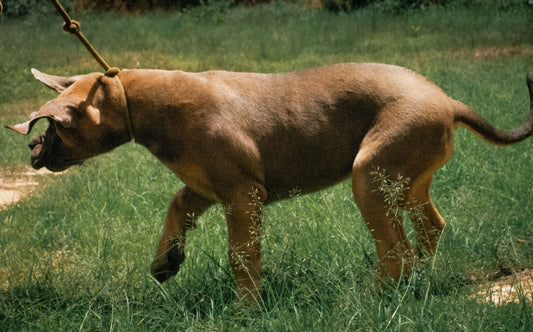
The Thai Ridgeback is an ancient and visually striking dog breed, believed to have originated more than 3,000 years ago in eastern Thailand. This breed belongs to the primitive group, sharing its lineage with only two other ridgeback breeds in the world: the Rhodesian Ridgeback and the Phu Quoc Ridgeback. What sets the Thai Ridgeback apart is its distinctive ridge of hair along its back, which grows in the opposite direction to the rest of its coat—a feature steeped in both mystery and tradition.
Essential Materials for Building a Feral Cat Fe...
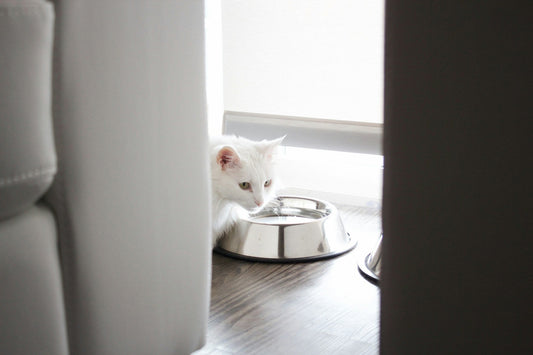
What materials are used in cat feeding stations? In Australia, these are likely to include stainless steel bowls, non-slip mats, raised surfaces and easy-to-clean trays. Stainless steel remains rust-free and safe...
Essential Materials for Building a Feral Cat Fe...
What materials are used in cat feeding stations? In Australia, these are likely to include stainless steel bowls, non-slip mats, raised surfaces and easy-to-clean trays. Stainless steel remains rust-free and safe for cats, while ceramic is excellent at keeping water cool. With raised feeders, use bamboo or recycled timber wherever possible. These materials not only resist the local weather, but beautify their homes.

Swedish Vallhunds in Australia: Corgi Cousins w...
The Swedish Vallhund (Västgötaspets in Swedish) is a rare, ancient herding breed with a remarkable story. Dating back over 1,000 years, these dogs originated in Sweden and are believed to...
Swedish Vallhunds in Australia: Corgi Cousins w...
The Swedish Vallhund (Västgötaspets in Swedish) is a rare, ancient herding breed with a remarkable story. Dating back over 1,000 years, these dogs originated in Sweden and are believed to have been companions and helpers to Viking settlers. Recognized for their fox-like appearance, short stature, and energetic personalities, Swedish Vallhunds are celebrated as both working dogs and loyal companions.

15 Proven Signs of Anxiety in Dogs: How to Spot...
Anxiety in dogs is a real and often overlooked condition that can deeply affect your pet’s behaviour, health, and quality of life. Just like humans, dogs experience a range of...
15 Proven Signs of Anxiety in Dogs: How to Spot...
Anxiety in dogs is a real and often overlooked condition that can deeply affect your pet’s behaviour, health, and quality of life. Just like humans, dogs experience a range of emotional states—and when fear, stress, or uncertainty becomes persistent, it can manifest as anxiety. While some dogs show obvious signs like shaking or howling, others may express their discomfort in quieter, more subtle ways.

Persian Cats: The Luxurious, Gentle Icons of th...
Persian cats have long been synonymous with luxury, elegance, and grace. Recognised by their sumptuous long coats, expressive eyes, and gentle temperament, these cats have captured the hearts of pet...
Persian Cats: The Luxurious, Gentle Icons of th...
Persian cats have long been synonymous with luxury, elegance, and grace. Recognised by their sumptuous long coats, expressive eyes, and gentle temperament, these cats have captured the hearts of pet lovers worldwide—including a rapidly growing community here in Australia. While their poised appearance and regal lineage are well-known, there is much more to Persian cats than meets the eye.

Bengal Cats: Wild Looks with a Loving Heart
Bengal cats are a breed that stops people in their tracks. With their striking rosette-spotted coats, muscular build, and penetrating gaze, they could easily be mistaken for a miniature wildcat...
Bengal Cats: Wild Looks with a Loving Heart
Bengal cats are a breed that stops people in their tracks. With their striking rosette-spotted coats, muscular build, and penetrating gaze, they could easily be mistaken for a miniature wildcat lounging on your couch. But beneath this fierce facade lies a loving, loyal companion known for their intelligence, energy, and bond with humans.

Dog Collar Care 101: How Often to Wash and When...
A dog’s collar is more than just a decorative accessory. It’s a critical part of your pet’s daily safety, identification, and comfort. From holding ID tags to securing leashes, collars...
Dog Collar Care 101: How Often to Wash and When...
A dog’s collar is more than just a decorative accessory. It’s a critical part of your pet’s daily safety, identification, and comfort. From holding ID tags to securing leashes, collars are constantly exposed to dirt, moisture, and physical wear—especially in Australia, where dogs often roam beaches, bush trails, or backyard spaces. Despite their everyday importance, collars are often overlooked when it comes to routine pet care. Many pet owners wash their dog’s bedding or toys regularly but forget that collars need just as much attention—if not more. A neglected collar can lead to skin irritation, infections, and even safety risks if it frays or snaps under tension.

Finnish Lapphund Explained: The Best Kept Secre...
The Finnish Lapphund is a strikingly beautiful and highly intelligent breed, originally developed by the indigenous Sámi people of northern Finland, Sweden, and Norway. Historically, these dogs played an essential...
Finnish Lapphund Explained: The Best Kept Secre...
The Finnish Lapphund is a strikingly beautiful and highly intelligent breed, originally developed by the indigenous Sámi people of northern Finland, Sweden, and Norway. Historically, these dogs played an essential role as herders of reindeer—an occupation demanding stamina, quick thinking, and exceptional cold-weather resilience. Recognised as part of the Spitz family, Finnish Lapphunds are instantly identifiable by their foxlike faces, expressive almond-shaped eyes, and thick, weatherproof double coats.

Understanding the British Shorthair: Traits and...
Australia’s love for cats continues to grow, and among the breeds rising in popularity is the dignified, teddy bear-like British Shorthair. With its plush double coat, calm temperament, and charmingly...
Understanding the British Shorthair: Traits and...
Australia’s love for cats continues to grow, and among the breeds rising in popularity is the dignified, teddy bear-like British Shorthair. With its plush double coat, calm temperament, and charmingly serious face, this breed has carved out a special place in Australian homes — from bustling inner-city apartments in Melbourne to sun-drenched suburban houses in Brisbane.