
Pet Supplies

Choosing the Right Bowl Size for Small Dogs - P...
Little dogs do best with bowls of 250–350 ml. Opt for one with a shallow rim and a base width of about 10-15 cm. Shallow bowls allow short snouts and...
Choosing the Right Bowl Size for Small Dogs - P...
Little dogs do best with bowls of 250–350 ml. Opt for one with a shallow rim and a base width of about 10-15 cm. Shallow bowls allow short snouts and little jaws access to food or water. In Australia, stainless steel and ceramic are popular due to hygiene and wipe-down cleaning. Non-slip bases prevent sliding on tiled or wooden floors, which comes in useful for many Aussie homes.

DIY Dog Beds: 5 Creative Projects to Try This W...
Every Australian dog deserves a bed that is as comfortable, secure, and unique as they are. While pet stores offer a range of ready-made options, more pet owners are discovering...
DIY Dog Beds: 5 Creative Projects to Try This W...
Every Australian dog deserves a bed that is as comfortable, secure, and unique as they are. While pet stores offer a range of ready-made options, more pet owners are discovering the benefits of creating their own dog beds at home. Not only does a DIY approach allow you to customise the bed to perfectly suit your pet’s size, sleeping style, and health needs, but it also offers an opportunity to be creative, eco-friendly, and budget-conscious.

Personalised Dog Bowls for Small Breeds
These options are for pups under 10kg and provide custom engraving or printing! Local Australian retailers like Petbarn, My Pet Warehouse and Indie online stores on Etsy or Hardtofind offer...
Personalised Dog Bowls for Small Breeds
These options are for pups under 10kg and provide custom engraving or printing! Local Australian retailers like Petbarn, My Pet Warehouse and Indie online stores on Etsy or Hardtofind offer a smorgasbord of bowlicious options. These bowls are designed specifically for miniature mouths and cute names, in all kinds of colours and shapes. A lot of local makers allow you to choose size and font, or even include paw prints.

Is Your Dog’s Bed Making Them Sick? The Complet...
A dog’s bed is more than just a spot for a daily nap—it’s a place of comfort, security, and rest for your four-legged family member. Yet beneath the soft cushions...
Is Your Dog’s Bed Making Them Sick? The Complet...
A dog’s bed is more than just a spot for a daily nap—it’s a place of comfort, security, and rest for your four-legged family member. Yet beneath the soft cushions and cozy covers, an unwashed dog bed can quickly become a hotspot for hidden dangers. Australian pet owners, in particular, face unique challenges: our warm, sometimes humid climate, the frequent in-and-out lifestyle of our dogs, and the proximity of native wildlife all increase the risk of pests and germs thriving where our pets sleep.
Are There Hypoallergenic Dog Beds for Sensitive...
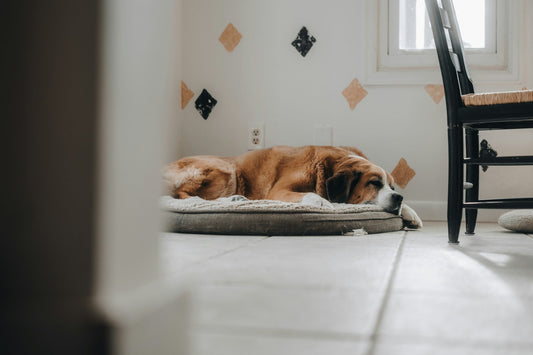
Australia’s pet owners are renowned for treating their dogs as part of the family. But what happens when your beloved companion develops itchy, irritated skin—or worse, shows signs of allergies?...
Are There Hypoallergenic Dog Beds for Sensitive...
Australia’s pet owners are renowned for treating their dogs as part of the family. But what happens when your beloved companion develops itchy, irritated skin—or worse, shows signs of allergies? For many dogs, sensitive skin isn’t just a minor nuisance; it can disrupt their sleep, happiness, and overall health.

Best DIY Dog Bed Ideas Using Recycled Materials
In recent years, more Australian pet owners are turning to sustainable and eco-friendly solutions when caring for their furry companions. Among the most popular trends is the creation of DIY...
Best DIY Dog Bed Ideas Using Recycled Materials
In recent years, more Australian pet owners are turning to sustainable and eco-friendly solutions when caring for their furry companions. Among the most popular trends is the creation of DIY dog beds using recycled materials. Not only does this approach save money, but it also offers a unique opportunity to reduce environmental impact while providing a comfortable, custom-made sleeping spot for your dog.

Why Your Dog’s Bed Could Be Causing Allergies: ...
Key Takeaways Dog beds can be a hidden source of allergies for both dogs and humans, harbouring dust mites, mould, dander, and chemical residues. Allergy symptoms may appear as itching,...
Why Your Dog’s Bed Could Be Causing Allergies: ...
Key Takeaways Dog beds can be a hidden source of allergies for both dogs and humans, harbouring dust mites, mould, dander, and chemical residues. Allergy symptoms may appear as itching, sneezing, coughing, skin rashes, or breathing issues in pets and people. Certain bedding materials and poor cleaning routines increase allergy risk, especially in Australia’s variable climate. Regular cleaning and choosing hypoallergenic dog beds can greatly reduce allergen build-up in your home. Australian pet owners can minimise allergies by following expert cleaning advice, selecting safe bedding materials, and consulting local vets if symptoms persist. Introduction A good night’s sleep is vital for your dog’s health and happiness, but have you ever considered whether your pet’s bed might be doing more harm than good? For many Australian pet owners, dog beds are an afterthought—simply a soft spot for their furry friend to rest. Yet, beneath those cosy layers can lurk allergens that may affect not just your dog, but also your family. Allergic reactions linked to pet bedding are on the rise, especially as more households welcome pets indoors and prioritise their comfort. Whether it’s your dog constantly scratching or a family member sneezing when near the dog bed, these seemingly minor issues might actually point to a larger problem: your dog’s bed could be the source of persistent allergies. In this article, we’ll explore how dog beds can cause allergies, identify the main triggers, and provide practical solutions to keep your home and pets healthy. With Australian data, quotes from local experts, and step-by-step advice, you’ll learn how to transform your dog’s bed from an allergy hotspot into a safe, comfy haven. Understanding Allergies: A Simple Explanation Allergies are exaggerated immune responses to substances that are usually harmless—like dust, pollen, or pet dander. In both dogs and humans, allergies can manifest in various ways, from mild sneezing and itching to more severe symptoms like skin rashes or asthma attacks. Common signs of allergies in dogs include: Itchy or red skin Excessive scratching or licking Ear infections Watery eyes or runny nose Hair loss or hot spots For humans, allergy symptoms often appear as: Sneezing and runny nose Itchy, watery eyes Skin rashes or hives Wheezing or difficulty breathing Allergens don’t just float in the air—they settle on surfaces, especially soft furnishings like dog beds. As your dog sleeps, rolls, and scratches, these allergens get stirred up and can easily be inhaled or come into contact with skin. Dr. Katherine Dale, an Australian veterinary dermatologist, explains: “Dog beds are a common but overlooked source of allergen exposure. Both pets and people can suffer, especially in homes where cleaning routines aren’t robust or bedding materials aren’t chosen carefully.” In short, if your dog or your family is experiencing ongoing allergy symptoms, it’s worth taking a closer look at the bed your dog spends hours on each day. How Dog Beds Can Trigger Allergies Dog beds seem like harmless comfort zones, but they are often a significant source of allergens in the home. These allergens can affect not just your dog, but you and your family as well. Understanding exactly how and why this happens is the first step to solving the problem. Materials Used in Dog Beds and Common Allergens The materials used to construct dog beds can be a major contributor to allergy issues. Many beds are filled with synthetic foams, polyester fibres, or treated cotton, all of which can harbour dust mites and trap pet dander. Some imported beds may even be treated with chemical flame retardants or anti-fungal agents that can trigger sensitivities in both humans and pets. Common materials that may cause problems include: Polyester fibre filling: Attracts and traps dust mites. Memory foam: Can retain moisture, creating an environment for mould. Treated cotton or fabrics: Chemical treatments may irritate sensitive skin. The Role of Dust Mites, Mould, and Pet Dander Dust mites are microscopic creatures that feed on dead skin cells shed by both dogs and humans. They thrive in warm, humid environments—like your dog’s bed. Their droppings are highly allergenic and are a leading cause of indoor allergies (Australian Society of Clinical Immunology and Allergy). Mould and mildew can develop in dog beds that become damp from dog saliva, urine, or a humid environment, particularly in parts of Australia prone to high humidity or wet weather. Mould spores are a potent trigger for allergic reactions. Pet dander (tiny flakes of skin and hair) builds up quickly in soft bedding. It is a primary cause of allergies in people, and even dogs can become sensitive to the buildup of their own or other animals’ dander. Chemical Treatments and Manufacturing Residues Dog beds, especially lower-priced or imported products, may contain chemical residues from manufacturing, such as formaldehyde, dyes, flame retardants, or anti-microbial agents. Over time, these chemicals can off-gas or leach out, contributing to allergic responses. This is particularly concerning for young children or pets with sensitive skin. Dr. Alex Hynes, veterinarian and host of Bondi Vet, notes: “Chemical sensitivity is a growing problem, especially for dogs with pre-existing allergies. Choosing bedding with minimal or no chemical treatments is an important step in preventing unnecessary reactions.” Case Study: Real Examples from Australian Homes A family in Brisbane noticed their Labrador developing recurring skin rashes and constant itching. After ruling out food allergies and fleas, their vet suggested switching to a hypoallergenic dog bed made of natural, untreated cotton. Within a few weeks, the dog’s symptoms dramatically improved. Similarly, a Sydney-based pet owner struggled with her child’s constant sneezing and discovered, through allergy testing, that dust mites in the dog’s bed were a significant culprit. Identifying the Signs: Is Your Dog’s Bed the Culprit? Pinpointing the source of allergies can be challenging, especially when symptoms overlap with other common issues. However, if you notice persistent health concerns in your household—either in your dog or in family members—it’s wise to consider the dog’s bed as a possible trigger. Symptoms of Allergies in Dogs If your dog is suffering from allergies caused by its bed, you might observe: Frequent scratching, licking, or biting at the skin Red or inflamed skin, especially on the belly, paws, or face Chronic ear infections Hair loss or “hot spots” Watery eyes, sneezing, or nasal discharge Restless or disrupted sleep patterns According to Greencross Vets, these symptoms can often worsen at night or after your dog spends time resting on its bed. If you notice that your dog seems better after spending time away from its bedding—or symptoms return after lying on the bed—this could be a key clue. Symptoms of Allergies in Humans Humans can also react to allergens that accumulate in dog beds, particularly if the bed is in a shared space such as the living room or bedroom. Watch for: Sneezing, runny or stuffy nose Itchy, watery, or red eyes Coughing, wheezing, or difficulty breathing Skin irritation, hives, or eczema flare-ups Worsening of asthma symptoms (especially in children) If symptoms improve after cleaning or replacing the dog bed, this is a strong indicator that the bed was contributing to the issue. When to Suspect the Bed: Key Patterns and Clues Ask yourself: Do symptoms coincide with your dog spending time on their bed? Are symptoms worse after cleaning or fluffing the bed, which might stir up dust and dander? Does the bed have a musty smell, or can you see signs of mould, dust, or dirt build-up? Do symptoms improve when your dog sleeps elsewhere or when the bed is washed? If you answer “yes” to any of these, it’s time to take a closer look at the dog’s bed. Expert Insight Dr. Rob Zammit, an Australian veterinarian and pet health advisor, shares: “Many owners overlook bedding as a source of allergens, focusing instead on food or environmental factors. In reality, unwashed or low-quality dog beds are one of the most common sources of ongoing skin and respiratory issues for both pets and people.” The Science Behind Allergens in Dog Beds Understanding how allergens build up in dog beds helps pet owners tackle the root of the problem rather than just treating the symptoms. Beds are designed to be soft, warm, and inviting, but these same characteristics create the ideal environment for allergens to accumulate and thrive. How Allergens Accumulate in Bedding Materials Dog beds are exposed daily to fur, skin cells, sweat, saliva, and even the dirt your dog brings in from outside. Over time, these materials penetrate deep into the fabric and filling, creating a haven for: Dust mites, which feed on shed skin cells. Mould spores, thriving in damp or humid conditions. Pet dander and hair, which stick to fabrics and fibres. Chemical residues that may not wash out completely. A 2022 review published by the Australian Society of Clinical Immunology and Allergy highlights that soft furnishings—like bedding and couches—are major reservoirs for household allergens. Because dog beds are often overlooked in cleaning routines, allergen levels can become higher than in human bedding. Scientific Studies and Expert Commentary A 2019 study in the Journal of Veterinary Dermatology found that up to 90% of dog beds tested in Australian homes contained dust mite allergens at levels known to trigger reactions in sensitive pets and people.Link: Veterinary Dermatology Journal PetMD’s dog bed care guide (PetMD Dog Bed Care) advises: “Regular and thorough cleaning of pet bedding is essential for controlling allergen exposure. Failing to wash pet bedding frequently can lead to an increase in allergens, especially in households where pets have direct contact with beds and couches.” The Impact of Australia’s Climate on Allergen Growth Australia’s climate is unique—ranging from humid subtropical regions in Queensland and New South Wales to arid and temperate zones elsewhere. Warm, moist environments encourage dust mite populations and mould growth, making it particularly important for pet owners in these areas to clean and air out dog beds regularly. In addition, bushfire smoke and outdoor pollens—prevalent in many Australian cities and regional areas—can also settle into dog beds, compounding the allergy risk for sensitive pets and people.The Australian Government Department of Health recommends increased cleaning frequency during high pollen and bushfire seasons. Why the Problem Is Getting Worse With more Australian families treating pets as part of the household and bringing them indoors, the amount of time dogs spend on soft furnishings—including beds—has increased. This raises the risk of allergen exposure for everyone in the home. Common Allergens Found in Dog Beds The composition and cleanliness of your dog’s bed can directly affect how many allergens it harbours. Understanding the specific culprits is crucial for effective prevention and management, especially in Australia where climate and lifestyle can exacerbate certain issues. Dust Mites and Microscopic Insects Dust mites are one of the most common—and troublesome—allergens found in dog beds. They feed on dead skin cells and thrive in warm, humid environments, making the soft filling and fabric of dog beds an ideal home. Their droppings contain potent allergens that trigger reactions in both dogs and humans. According to the Australian Society of Clinical Immunology and Allergy, dust mites are a leading cause of allergy symptoms in Australian homes, particularly along the east coast where humidity is high. Pet Dander and Saliva Pet dander refers to tiny flakes of skin and fur that your dog sheds regularly. Saliva, which contains proteins that can also trigger allergies, is transferred to the bed when your dog licks or chews it, or even just by drooling in their sleep. Over time, both dander and saliva accumulate, increasing the risk of allergic reactions—especially for children or adults who cuddle with pets on their beds. Mould and Mildew Mould and mildew thrive in damp or poorly ventilated environments. Dog beds that become wet from accidents, drool, or high humidity (common in coastal Australia) can develop invisible mould colonies inside the filling. Mould spores are known to cause significant respiratory irritation and skin allergies in both humans and pets. A study by the National Asthma Council Australia found that frequent exposure to mould in household fabrics—including pet beds—can aggravate asthma and allergic symptoms. Chemical Residues from Manufacturing Some dog beds, particularly those made overseas, may be treated with chemical agents like formaldehyde, dyes, flame retardants, or anti-microbial treatments. These substances can persist long after purchase and may “off-gas,” especially in Australia’s warm climate. Sensitive pets or family members can react with skin rashes, eye irritation, or respiratory discomfort. Pollen and Outside Contaminants Dogs love to explore outside, often returning to their beds carrying pollen, grass, and even spores from plants. These outside allergens become embedded in bedding, particularly if it is not washed frequently. In spring and summer, when pollen counts are highest, the risk is especially significant for allergy-prone households. Dr. Katie Grzyb, DVM, advises via PetMD: “Allergens like pollen can easily accumulate in your pet’s bedding, and simple washing techniques may not be enough if you’re not using the right products or washing often enough.” How Often Should You Clean Your Dog’s Bed? Cleaning your dog’s bed is one of the simplest yet most effective ways to minimise allergen exposure for both pets and humans. However, the frequency and method of cleaning can make a significant difference, especially in Australia’s diverse climates. Expert Recommendations and Australian Perspectives Veterinary experts and allergists agree: dog beds should be cleaned at least once a week. In humid or high-allergen seasons (like spring), more frequent washing may be necessary. The Australian Society of Clinical Immunology and Allergy also recommends using hot water—above 55°C—to effectively kill dust mites and remove allergens from bedding materials. Dr. Justine Lee, DVM and pet safety expert, writes on Pet Health Network: “It’s not just about odour control. Washing your dog’s bed is crucial for controlling allergens and infectious agents, especially in multi-pet homes or when someone in the family is allergy-prone.” Step-by-Step Cleaning Guide Check the Label: Always read the manufacturer’s instructions before washing. Some beds have removable, machine-washable covers, while others require spot cleaning or hand washing. Vacuum Thoroughly: Before washing, vacuum the bed to remove loose hair, dander, dirt, and dust mites. Use Hot Water: Wash the cover and inner cushion in hot water (above 55°C) to kill dust mites and remove allergens. Mild, Pet-Safe Detergent: Use a fragrance-free, non-toxic detergent to avoid skin irritation or chemical residues. Rinse Well: Double-rinse to ensure no detergent remains. Dry Completely: Dry the bed on high heat if possible, or under direct Australian sunlight to further kill bacteria and mites. Spot Clean Between Washes: Use a pet-safe spray or wipes for quick touch-ups, especially after accidents or muddy outings. Choosing Cleaning Products Safe for Pets and People Always opt for detergents and stain removers labelled as pet-safe, hypoallergenic, and free from harsh chemicals, fragrances, or dyes. Avoid bleach, ammonia, or products containing essential oils (like tea tree) that can be toxic to dogs. For Australian pet owners, brands like Eco Store and Earth Choice offer gentle, environmentally friendly cleaning solutions widely available at supermarkets. Quote or Tip from a Pet Hygiene Expert Anna Webb, pet behaviourist and co-host of Australia’s The Pet Show: “A clean dog bed isn’t just about comfort—regular cleaning helps control everything from fleas to allergies. Make it a weekly ritual, and your pets and family will thank you.” Choosing the Right Dog Bed for Allergy Prevention Selecting the right bed is a critical step in reducing allergen build-up and protecting both your dog and your family. Not all dog beds are created equal—some materials and designs are far better for allergy control, particularly in Australia’s climate. Hypoallergenic Materials: What Actually Works? The term “hypoallergenic” is often used in marketing, but not all products live up to their promises. When shopping for an allergy-friendly dog bed, look for: Tightly-woven cotton or microfibre: These materials prevent dust mites and dander from settling deep into the fabric. Natural latex or untreated wool: Naturally resistant to dust mites and mould, provided they’re processed without added chemicals. Synthetic memory foam (with a removable, washable cover): Memory foam itself is less hospitable to dust mites if kept dry, but it must be protected from spills and moisture. Bamboo and hemp blends: Increasingly popular in Australia for their breathability and natural resistance to mould and bacteria. Avoid beds with thick, loose stuffing, heavy quilting, or plush surfaces that trap moisture and allergens. Types of Beds Least Likely to Trigger Allergies Elevated (cot-style) beds: These keep your dog off the ground, allow for better air circulation, and reduce dust and dander accumulation. Beds with removable, machine-washable covers: Essential for regular deep cleaning. Minimalist designs: Fewer nooks and crannies for allergens to hide. Australian company Snooza is known for producing beds with removable, washable covers and hypoallergenic fillings, popular among local pet owners concerned about allergies. Certifications and Labels to Look for in Australia Oeko-Tex Standard 100: Certifies that fabrics are free from harmful substances. Australian Made Certification: Indicates local manufacturing, which often means better regulation of chemical use. Hypoallergenic claims: Check for specific details about materials and testing rather than relying on vague marketing terms. Avoiding Beds with Heavy Chemical Treatments Many imported or low-cost beds are treated with chemicals for stain resistance or fire retardancy. While this may offer durability, these substances can off-gas or cause skin irritation and should be avoided in allergy-prone homes. Dr. Sarah Howard, veterinary dermatologist with the Australian Veterinary Association, advises: “When choosing a bed for a sensitive dog, less is often more. Choose natural or certified-safe materials, and wash new bedding before use to remove any manufacturing residues.” Practical Steps for Reducing Allergens in Your Home Prevention is always better than cure—especially when it comes to managing allergies triggered by your dog’s bed. Alongside choosing the right bedding and cleaning it regularly, simple changes to your home environment and daily routines can make a major difference. Regular Cleaning Routines for Dog Beds and Surrounding Areas Vacuum and mop floors weekly around your dog’s sleeping area, focusing on corners, skirting boards, and under furniture where dust and dander accumulate. Launder your dog’s bedding at least once a week in hot water with a mild, pet-safe detergent. Wash toys, blankets, and nearby soft furnishings that your dog frequently uses. Rotate between two or more beds or covers so you always have a clean option ready. Air Quality Improvement Tips Ventilation: Open windows regularly to allow fresh air to circulate, reducing indoor allergen build-up. Use air purifiers: Choose models with HEPA filters, which trap airborne allergens like dander, dust mites, and pollen. Dehumidifiers: In humid parts of Australia, use dehumidifiers to keep indoor humidity below 50%, discouraging dust mite and mould growth. Avoid heavy curtains and thick carpets in pet areas, as these trap allergens. According to the National Asthma Council Australia, maintaining dry and well-ventilated spaces is essential for controlling indoor allergies, especially during Australia’s humid seasons. Grooming and Bathing Your Dog to Reduce Dander Brush your dog regularly (outdoors if possible) to remove loose fur and skin flakes. Bathe your dog every 4–6 weeks using a gentle, hypoallergenic shampoo, unless otherwise directed by your vet. Wipe your dog’s paws and coat after outdoor walks to minimise tracking pollen and dirt indoors. How to Spot and Fix Hidden Moisture or Mould Problems Check for dampness under and inside dog beds, especially if they’re placed on carpets or in poorly ventilated rooms. Look for musty smells, discoloration, or visible mould on bedding, walls, or floors. Move beds away from external walls or windows prone to condensation. Promptly address plumbing leaks or spills and ensure bedding dries fully before reuse. Extra Tips for Allergy-Prone Households Consider allergy covers for dog beds—these zippered barriers block dust mites and dander. Limit your dog’s access to bedrooms, especially if someone in the household has asthma or severe allergies. Regularly clean air-conditioning and heating vents to prevent dust and allergen circulation. Dr. Ryan Ong, allergy specialist at Perth Children’s Hospital, recommends: “Small, consistent changes—like weekly washing and good ventilation—often have a bigger impact on allergy symptoms than any single product or treatment.” When to Seek Professional Help Despite your best cleaning efforts and careful product choices, allergies can sometimes persist or even worsen. Knowing when to seek professional help is crucial for the health and wellbeing of both your dog and your family. When Allergies Persist Despite Your Best Efforts If your dog or family members continue to experience allergy symptoms after you have: Regularly cleaned and replaced bedding Improved home ventilation and air quality Switched to hypoallergenic products and materials Eliminated other common sources of allergens (like carpets or curtains near the dog bed) …it’s time to consult a professional. Persistent allergies may indicate an underlying health condition, a more severe allergy, or the presence of hidden mould or contaminants in your home. Consulting with Veterinarians, Allergists, or Cleaning Specialists For your dog:If you notice signs such as chronic scratching, skin lesions, hair loss, ear infections, or unusual behaviour, consult your veterinarian. They can perform allergy testing, recommend medicated shampoos, or suggest dietary changes to help manage symptoms. Some Australian vets specialise in dermatology or allergies and can offer advanced solutions. For people in your household:If family members experience ongoing symptoms such as sneezing, itchy eyes, or asthma attacks—particularly if these improve away from home or worsen near the dog bed—consult a GP or an allergy specialist. Doctors can arrange allergy testing to pinpoint triggers and may recommend medical treatments or environmental controls. Professional cleaning:If mould is suspected or visible in bedding or home furnishings, consider hiring a professional cleaning or remediation service. Australian services like Jims Cleaning and Allergy Free offer specialist cleaning for allergy-prone homes. Australian Health and Veterinary Resources Healthdirect Australia — Trusted health information and resources, including allergy management tips. RSPCA Australia — Advice on pet care and welfare, with links to local vet services. Australian Society of Clinical Immunology and Allergy — Guidance and support for managing allergies in the home. Quote from a Veterinary Expert Dr. Sharon Bryden, Australian veterinary dermatologist, comments: “If home management doesn’t control allergy symptoms, professional advice can make all the difference. Persistent skin or respiratory issues should never be ignored, as they can signal more serious health concerns for both pets and people.” Frequently Asked Questions (FAQs) Can my dog develop allergies from its own bed? Yes, dogs can develop allergies or sensitivities to dust mites, mould, and chemical residues that accumulate in their beds. This often shows as itchy skin, excessive licking, or chronic ear infections. If symptoms appear soon after your dog lies on its bed, the bedding may be the culprit. Regular cleaning and hypoallergenic materials can help minimise these risks. What materials should I avoid if my dog or I have allergies? Avoid beds filled with loose, synthetic stuffing, thick plush fabrics, or those treated with strong chemicals (such as stain-resistant coatings or flame retardants). Instead, look for tightly-woven cotton, untreated natural fibres, and beds labelled “hypoallergenic” or “chemical-free.” Always check for Australian certifications and read manufacturer details. How can I tell if my dog’s bed is causing health problems? Key signs include your dog scratching, licking, or developing rashes after resting on its bed, or family members sneezing, coughing, or having skin reactions in areas where the bed is located. If symptoms improve after cleaning or replacing the bed, it’s a strong indicator that allergens from the bed were to blame. Is washing enough, or should I replace the bed? Washing is essential, but beds that are old, difficult to clean, or have developed musty smells or visible mould should be replaced. For persistent allergy issues, invest in a new bed made of hypoallergenic materials with removable, washable covers. Remember to wash all bedding and covers weekly. Are “anti-allergy” beds actually effective? Some “anti-allergy” beds are genuinely helpful, especially those made with tightly woven covers, natural latex, or certified hypoallergenic materials. However, no bed is completely allergen-proof. The key is to combine a suitable bed with frequent cleaning and good home hygiene. Always check for reputable certifications and genuine product reviews from Australian pet owners. What’s the best way to clean my dog’s bed if someone in the house has severe allergies? Use hot water (above 55°C), a hypoallergenic or fragrance-free detergent, and dry the bedding thoroughly in a dryer or direct sunlight. Consider using allergy covers for the bed and run an air purifier in rooms where the bed is kept. Wash your hands and avoid shaking out bedding indoors, as this can spread allergens. Should I let my dog sleep in the bedroom if someone has allergies? It depends on the severity of the allergies. For mild allergies, keeping the bed clean and using an air purifier may be enough. For severe allergies or asthma, it’s best to keep your dog’s bed out of the bedroom and wash all bedding and soft furnishings frequently. Where can I get more help or advice? Australian Society of Clinical Immunology and Allergy Healthdirect Australia Your local veterinarian or pet dermatologist for animal-specific concerns. Conclusion Dog beds are a staple in every Australian pet owner’s home, but they can also be a hidden source of allergies affecting both your pet and your family. By understanding how allergens accumulate in bedding—from dust mites and mould to chemical residues and outdoor contaminants—you can take concrete steps to protect everyone’s health. Regular, thorough cleaning is essential. Washing your dog’s bed weekly with hot water and a hypoallergenic detergent, vacuuming pet areas, and drying bedding completely can dramatically reduce allergen build-up. When choosing a new bed, opt for hypoallergenic materials, avoid heavy chemical treatments, and select designs that are easy to clean. If you notice allergy symptoms that don’t resolve with improved hygiene, don’t hesitate to consult your vet or an allergy specialist. Persistent scratching, skin rashes, or respiratory symptoms are never normal and should be investigated to ensure lasting health for everyone in your household. Ultimately, providing a clean, safe sleeping space is one of the most loving things you can do for your dog—and for your family. With a little attention and routine care, you can transform your dog’s bed from an allergy hotspot to a haven of comfort and wellbeing. For more expert tips on pet care, bedding choices, and managing allergies, visit reputable sources like the Australian Society of Clinical Immunology and Allergy, Healthdirect Australia, or consult your local veterinarian.

Chausie Cats: The Jungle Cat Hybrid for Adventu...
The Chausie cat stands apart from typical domestic cats thanks to its exotic ancestry and captivating presence. Originally bred from the jungle cat (Felis chaus)—a wild feline native to Asia...
Chausie Cats: The Jungle Cat Hybrid for Adventu...
The Chausie cat stands apart from typical domestic cats thanks to its exotic ancestry and captivating presence. Originally bred from the jungle cat (Felis chaus)—a wild feline native to Asia and the Middle East—and select domestic breeds, the Chausie’s heritage infuses it with a wild look and boundless energy. In recent decades, these cats have been purposefully bred for companionship, offering an extraordinary blend of wild spirit and affectionate loyalty.

Savannah Cats: Exotic Elegance with a Wild Streak
Savannah cats have captured the imaginations of pet enthusiasts across the globe, and Australia is no exception. With their tall, lean bodies, striking spots, and large ears, Savannah cats look...
Savannah Cats: Exotic Elegance with a Wild Streak
Savannah cats have captured the imaginations of pet enthusiasts across the globe, and Australia is no exception. With their tall, lean bodies, striking spots, and large ears, Savannah cats look like miniature wildcats yet offer the affection and companionship of a domestic pet. For many Australians, these cats represent the perfect blend of exotic elegance and approachable intelligence—making them one of the most sought-after hybrid breeds in the world.

English Bull Terrier Australia Guide: Behaviour...
The English Bull Terrier stands out as one of the most instantly recognizable dog breeds, renowned for its unique egg-shaped head, robust build, and mischievous personality. This breed's distinct appearance...
English Bull Terrier Australia Guide: Behaviour...
The English Bull Terrier stands out as one of the most instantly recognizable dog breeds, renowned for its unique egg-shaped head, robust build, and mischievous personality. This breed's distinct appearance and spirited temperament have earned it loyal fans worldwide, including a steadily growing following among Australian families, breeders, and enthusiasts.

Somali Cats – The Fox-Tailed, Spirited Explorers
The Somali cat is a breed that instantly captures attention—a feline with a luxuriously bushy “fox tail”, athletic physique, and a presence that’s both elegant and mischievous. In Australia, Somali...
Somali Cats – The Fox-Tailed, Spirited Explorers
The Somali cat is a breed that instantly captures attention—a feline with a luxuriously bushy “fox tail”, athletic physique, and a presence that’s both elegant and mischievous. In Australia, Somali cats have steadily gained popularity, not just for their good looks, but for their reputation as spirited explorers and affectionate companions.
Why Is My Dog Scratching Its Bed Non-Stop? Caus...
Every Australian dog owner has likely witnessed their furry friend pawing, digging, or even “nesting” in their bed before settling down for a nap. While some bed scratching is entirely...
Why Is My Dog Scratching Its Bed Non-Stop? Caus...
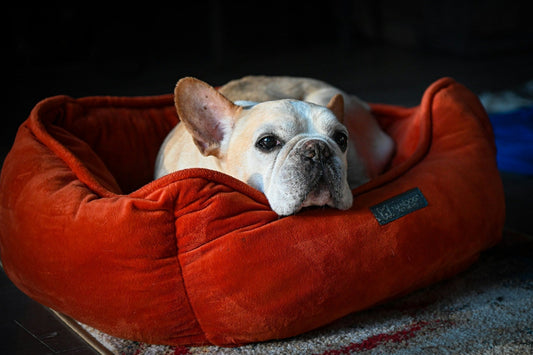
Every Australian dog owner has likely witnessed their furry friend pawing, digging, or even “nesting” in their bed before settling down for a nap. While some bed scratching is entirely normal and even endearing, excessive or obsessive scratching can be puzzling, frustrating, or concerning. Why do dogs scratch their beds non-stop, and when should you worry? More importantly, what can you do about it? This article explores the causes behind this behaviour, explains when it’s a problem, and provides practical, expert-backed solutions for pet owners in Australia. Whether you’re dealing with a playful puppy or a senior dog suddenly obsessed with their bedding, you’ll find vet-approved tips, relevant Australian resources, and actionable advice to help your canine companion rest easy.
Are Elevated Dog Bowls Better for Your Dog?
Elevated dog bowls can enable some dogs to eat and drink with less effort. They’re not necessarily the best option for all dogs. Here in Australia, vets commonly suggest raised bowls...
Are Elevated Dog Bowls Better for Your Dog?
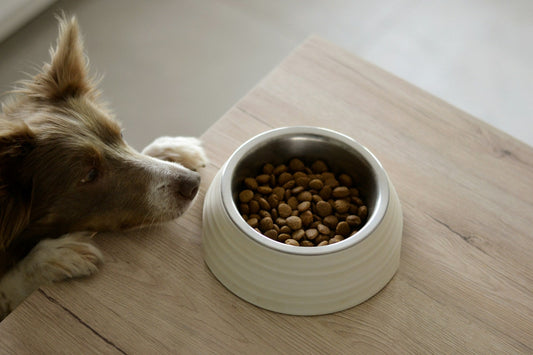
Elevated dog bowls can enable some dogs to eat and drink with less effort. They’re not necessarily the best option for all dogs. Here in Australia, vets commonly suggest raised bowls for senior dogs or large breeds with joint problems. Bending down can be difficult for them! Otherwise, a regular bowl on the floor is generally fine for healthy young dogs or small breeds. Others caution that elevated bowls can contribute to bloat in deep-chested breeds.
How to Make a Dog Bed at Home – Step-by-Step
Australians are famous for their love of dogs. From loyal Kelpies on rural properties to pampered Cavoodles in city apartments, our canine companions deserve a safe, cosy place to rest....
How to Make a Dog Bed at Home – Step-by-Step
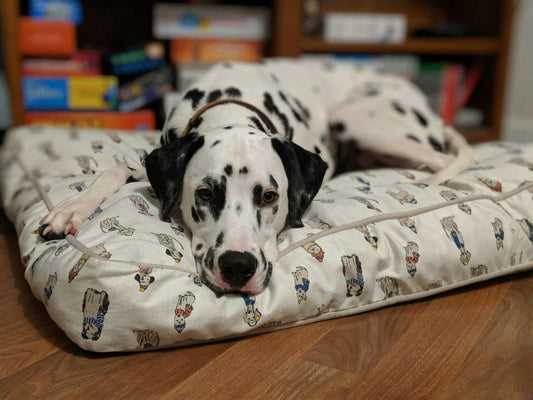
Australians are famous for their love of dogs. From loyal Kelpies on rural properties to pampered Cavoodles in city apartments, our canine companions deserve a safe, cosy place to rest. Yet, not every commercial dog bed meets the specific needs of your pet or your home environment—and quality dog beds can be surprisingly expensive, especially for larger breeds or pets with special requirements.

Basenji Dog Breed Guide: The Barkless Dog in Au...
The Basenji stands apart as one of the most intriguing dog breeds, especially for Australian pet lovers seeking something unique. Known affectionately as the “barkless dog,” the Basenji has a...
Basenji Dog Breed Guide: The Barkless Dog in Au...
The Basenji stands apart as one of the most intriguing dog breeds, especially for Australian pet lovers seeking something unique. Known affectionately as the “barkless dog,” the Basenji has a history and personality that captivates both experienced dog owners and those discovering the breed for the first time.
Why Won’t My Dog Sleep in Its Bed? Causes, Solu...
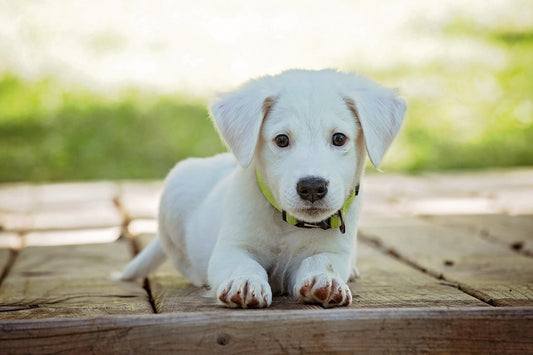
A good night’s sleep is as important for our dogs as it is for us. But what happens when your beloved pet refuses to use their bed, choosing instead the...
Why Won’t My Dog Sleep in Its Bed? Causes, Solu...
A good night’s sleep is as important for our dogs as it is for us. But what happens when your beloved pet refuses to use their bed, choosing instead the couch, the cold floor, or even your bed? For many Australian pet owners, this behaviour is more than a minor inconvenience—it can signal deeper comfort, health, or behavioural issues.

Balinese Cats: The Graceful Dancers of the Feli...
Among the world’s most captivating cat breeds, the Balinese stands out for its combination of athletic elegance and deep affection for people. Often described as the “longhaired Siamese,” the Balinese...
Balinese Cats: The Graceful Dancers of the Feli...
Among the world’s most captivating cat breeds, the Balinese stands out for its combination of athletic elegance and deep affection for people. Often described as the “longhaired Siamese,” the Balinese has earned a reputation as a lively, talkative, and graceful companion—one whose beauty is matched only by its intelligence and devotion.

Border Terrier Australia Guide: A Small Dog Wit...
The Border Terrier is a compact, rugged dog originally bred in the border region between England and Scotland. Recognised for their distinctive “otter head” and wiry coat, Border Terriers were...
Border Terrier Australia Guide: A Small Dog Wit...
The Border Terrier is a compact, rugged dog originally bred in the border region between England and Scotland. Recognised for their distinctive “otter head” and wiry coat, Border Terriers were developed as working dogs, primarily for fox hunting and vermin control. Despite their small size, they possess remarkable stamina, courage, and tenacity—traits that have earned them a loyal following among rural farmers and modern pet owners alike.

Siberian Cats: Hypoallergenic Felines for Aller...
Siberian cats have long captivated cat lovers with their striking appearance, affectionate personalities, and unique history. Originating from the vast forests of Russia, these cats have earned a reputation not...
Siberian Cats: Hypoallergenic Felines for Aller...
Siberian cats have long captivated cat lovers with their striking appearance, affectionate personalities, and unique history. Originating from the vast forests of Russia, these cats have earned a reputation not only for their beauty and playful nature but also for being one of the few breeds considered hypoallergenic cats. For Australian pet owners who suffer from allergies but still dream of welcoming a feline friend into their home, Siberian cats offer a promising solution.

Why Is My Dog Licking Its Bed Excessively? Caus...
If your dog is constantly licking its bed, you’re not alone. Excessive bed licking can signal allergies, anxiety, or health issues—and may require a closer look. This in-depth guide explores...
Why Is My Dog Licking Its Bed Excessively? Caus...
If your dog is constantly licking its bed, you’re not alone. Excessive bed licking can signal allergies, anxiety, or health issues—and may require a closer look. This in-depth guide explores the most common causes, practical solutions, and expert Australian vet insights to help you understand and manage this puzzling canine behavior. Discover when to seek professional help and how to keep your dog happy and healthy at home.

Scottish Folds: The Cats with the Adorable Fold...
With their signature “owl-like” faces and sweet, soulful eyes, Scottish Fold cats have captivated the hearts of cat lovers worldwide, including a growing number of pet owners in Australia. Instantly...
Scottish Folds: The Cats with the Adorable Fold...
With their signature “owl-like” faces and sweet, soulful eyes, Scottish Fold cats have captivated the hearts of cat lovers worldwide, including a growing number of pet owners in Australia. Instantly recognisable thanks to their unique folded ears—a result of a natural genetic mutation—Scottish Folds have become a symbol of feline charm and gentle companionship. Yet, beneath their adorable exterior lies a breed with a fascinating history, distinctive needs, and some important health and ethical considerations that every potential owner should understand.

Why Do Dogs Dig Their Beds Before Sleeping? The...
Every dog owner has likely witnessed the same curious bedtime ritual: a few determined spins, some enthusiastic pawing, and a flurry of digging at the bed—sometimes until the blanket is...
Why Do Dogs Dig Their Beds Before Sleeping? The...
Every dog owner has likely witnessed the same curious bedtime ritual: a few determined spins, some enthusiastic pawing, and a flurry of digging at the bed—sometimes until the blanket is in a heap or the mat is half off the floor. Why do dogs do this, even when they have a perfectly comfortable bed or mat? Is it just quirky behavior, or is there more beneath the surface?

Bergamasco Sheepdogs in Australia: Unravelling ...
The Bergamasco Sheepdog is a striking and ancient herding breed, best known for its extraordinary matted “flock” coat and calm, almost philosophical nature. Originally bred in the Alpine region of...
Bergamasco Sheepdogs in Australia: Unravelling ...
The Bergamasco Sheepdog is a striking and ancient herding breed, best known for its extraordinary matted “flock” coat and calm, almost philosophical nature. Originally bred in the Alpine region of Italy, particularly around Bergamo, these dogs were indispensable partners to shepherds, managing and protecting flocks in the harsh mountain climates.

Canaan Dogs in Australia: Are These Ancient Gua...
The Canaan Dog is one of the most ancient dog breeds still living in a form close to its wild ancestors. Originally hailing from the Middle Eastern deserts—particularly modern-day Israel,...
Canaan Dogs in Australia: Are These Ancient Gua...
The Canaan Dog is one of the most ancient dog breeds still living in a form close to its wild ancestors. Originally hailing from the Middle Eastern deserts—particularly modern-day Israel, Palestine, and surrounding regions—Canaan Dogs are the result of thousands of years of natural selection. They were never engineered by human intervention in the same way as many popular breeds. Instead, they developed the sharp instincts, independence, and keen survival skills needed to thrive in some of the harshest environments on earth.

Norwegian Forest Cats: Majestic and Independent
The Norwegian Forest Cat, often called “Wegie” by devoted enthusiasts, is a breed that seems to have stepped straight from the pages of Norse mythology into modern living rooms. Known...
Norwegian Forest Cats: Majestic and Independent
The Norwegian Forest Cat, often called “Wegie” by devoted enthusiasts, is a breed that seems to have stepped straight from the pages of Norse mythology into modern living rooms. Known for their breathtaking looks—long, thick coats, striking eyes, and a regal bearing—these cats are as practical as they are beautiful, having evolved to withstand the harsh climates of Scandinavia. Their charm lies not only in their majestic appearance but also in their independent yet affectionate nature.

Double Dog Leash for Small Breeds: Benefits and...
Double dog leashes for small dogs enable two little dogs to stroll together. They use only a single lead for convenience and ease! They attach both collars or harnesses to...
Double Dog Leash for Small Breeds: Benefits and...
Double dog leashes for small dogs enable two little dogs to stroll together. They use only a single lead for convenience and ease! They attach both collars or harnesses to a split lead. That way, the leash holder can keep both dogs safe and close. These leashes are particularly useful for city walks, busy parks or when arms are full. Most feature tangle-free clips and light, soft webbing suitable for breeds such as Cavoodles or Mini Dachshunds. Lots of Aussie pet owners use double dog leashes.
Oriental Shorthairs: Sleek, Smart, and Social
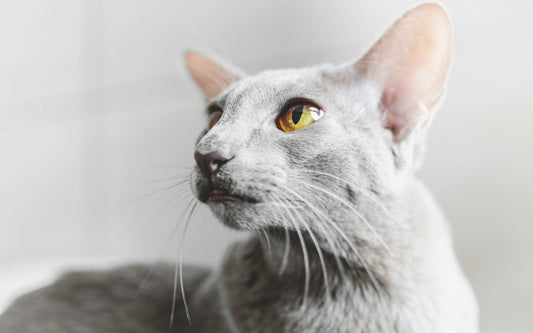
There is a saying among devoted cat lovers: “Once you share your home with an Oriental Shorthair, no other cat will ever quite compare.” With their elegant lines, expressive faces,...
Oriental Shorthairs: Sleek, Smart, and Social
There is a saying among devoted cat lovers: “Once you share your home with an Oriental Shorthair, no other cat will ever quite compare.” With their elegant lines, expressive faces, and endlessly curious personalities, Oriental Shorthairs are a breed apart—captivating the hearts of pet owners across Australia and around the world.

Azawakh Breed Guide: Can the West African Sight...
The Azawakh is a strikingly elegant sighthound, instantly recognisable for its slim, athletic build, deep chest, and finely chiselled features. Originating from the vast Sahel region of West Africa, the...
Azawakh Breed Guide: Can the West African Sight...
The Azawakh is a strikingly elegant sighthound, instantly recognisable for its slim, athletic build, deep chest, and finely chiselled features. Originating from the vast Sahel region of West Africa, the Azawakh’s roots are deeply entwined with the nomadic Tuareg people and other indigenous groups who relied on these dogs for both hunting and companionship. Unlike many popular sighthounds, the Azawakh has remained relatively unchanged by Western breeding trends, preserving its authentic working-dog heritage.
Collar-Activated Cat Bowls: Benefits and Featur...
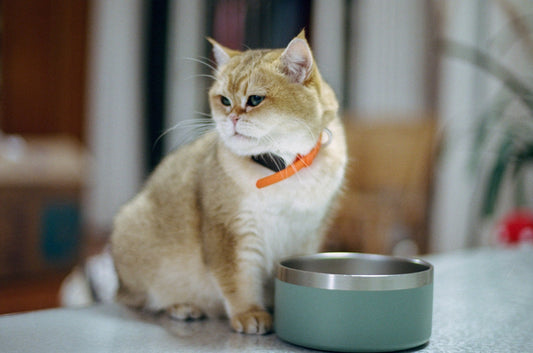
Collar-activated cat bowls contain a sensor that picks up on the cat’s collar. This lets the bowl unlock food or water for the right pet only. They prevent food-sharing, which...
Collar-Activated Cat Bowls: Benefits and Featur...
Collar-activated cat bowls contain a sensor that picks up on the cat’s collar. This lets the bowl unlock food or water for the right pet only. They prevent food-sharing, which is useful for multi-cat households with one or more cats on special diets or with allergies. In Australia, where multi-pet homes are the norm, this tech can prevent greedy pets from stealing meals. Vets say these bowls assist with weight control and can reduce anxiety in cats that guard food.

Australian Mist – The Homegrown Aussie Cat Breed
The Australian Mist is more than just a cat; it’s a symbol of Australian ingenuity, companionship, and domestic harmony. As one of the few cat breeds developed entirely within Australia,...
Australian Mist – The Homegrown Aussie Cat Breed
The Australian Mist is more than just a cat; it’s a symbol of Australian ingenuity, companionship, and domestic harmony. As one of the few cat breeds developed entirely within Australia, the Australian Mist stands apart not just for its origins but for its unique blend of personality, adaptability, and beauty. For pet owners seeking a cat that fits seamlessly into the modern Australian household—whether that’s a bustling family home in Sydney, a quiet apartment in Melbourne, or a rural property in the Outback—the Australian Mist offers a rare and rewarding experience.