
Key Takeaways
- Feeding multiple dogs presents unique behavioural and nutritional challenges, especially when food theft, resource guarding, or unequal portions occur.
- Automatic feeders offer structured, fair, and predictable mealtimes for every dog, reducing anxiety and household conflict.
- The right feeder type—standard, microchip-based, dual-portion, or smart—can dramatically improve harmony and nutritional balance in multi-dog homes.
- With proper setup and training, automatic feeders help prevent bullying, support weight control, and promote healthier long-term feeding habits.
- Australian dog owners benefit from tailored feeding strategies that match their dogs’ personalities, dietary requirements, and home environments.
PetCareShed’s Handpicked Dog Comforts
Introduction: Why Feeding Multiple Dogs Is More Complex Than It Looks
Feeding a single dog is usually simple. Feeding two, three, or more dogs—each with their own personality, metabolism, appetite, and hierarchy—is an entirely different challenge. Many Australian multi-dog households experience daily tensions around food, from subtle resource guarding to outright food theft. While these behaviours may seem like “normal dog dynamics,” they can create ongoing stress, digestive upset, and nutritional imbalances.
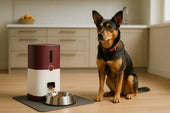
Automatic feeders have emerged as one of the most practical tools for managing mealtime in busy homes. They provide consistency, fairness, and structure—elements that dogs instinctively respond to—and reduce the burden on owners who simply cannot supervise every meal. This article explores the science, behaviour, and practical considerations of using automatic feeders in multi-dog homes, helping owners create peaceful, predictable mealtime routines that support every dog equally.
Understanding Multi-Dog Mealtime Challenges
Feeding multiple dogs is rarely as simple as placing bowls on the floor. Underneath the surface are complex social dynamics shaped by instinct, breed tendencies, previous experiences, and household environments.
Food Theft and Sneaky Eaters
Some dogs inhale their meals, race to a companion’s bowl, and steal whatever is left. This behaviour reflects natural competitive instincts, but it has real consequences:
- The fast eater gains excessive calories
- The slow eater loses nutrition
- Stress levels rise for both dogs
Over time, this leads to weight imbalance, resource guarding tendencies, and disrupted household harmony.
Bullying and Resource Guarding
Food is one of the most valuable resources to dogs. Even in friendly households, the presence of another dog near a bowl can trigger guarding behaviours such as:
- Staring intensely
- Blocking access
- Growling or snapping
- Hovering near another dog’s feeder
This creates anxiety, especially for timid dogs, and may lead to long-term behavioural issues.
Uneven Meals and Poor Nutrition
Multi-dog households often struggle with portion accuracy. Dogs with different dietary needs—large breeds, seniors, puppies, dogs with medical conditions—require precise calorie control. When food is shared or stolen, nutritional balance collapses.
Human Limitations in Supervised Feeding
Australian households are increasingly busy, with long work hours and irregular schedules. Ensuring each dog gets the right portion at the right time can be mentally and emotionally draining. Automated feeding reduces reliance on constant supervision and ensures fairness, even when owners are not physically present.
Discover PetCareShed’s Top Dog Essentials
How Automatic Feeders Create Fairness and Reduce Stress
Automatic feeders streamline mealtime in a way that feels natural and calming for dogs. By establishing predictable routines, they significantly reduce conflict and anxiety.
Structured, Predictable Feeding Routines
Dogs thrive on consistency. Automatic feeders dispense meals at the same time each day, eliminating mealtime uncertainty and reducing competitive behaviours triggered by unpredictable feeding schedules.
Individualised Portion Control
Each dog receives the exact amount of food it needs—nothing more, nothing less. This supports:
- Weight management
- Digestive health
- Medical diets
- Senior dog needs
Preventing Food Theft
Some feeders are designed with controlled access mechanisms such as locking lids or microchip activation. This ensures that:
- A dog eats only from its assigned feeder
- Prescription diets remain secure
- Slow eaters finish without pressure
Reduced Guarding and Bullying
Individualised feeding zones paired with automated timing drastically reduce the triggers for guarding behaviour. Dogs quickly learn that mealtimes are calm, predictable events—not competitions.
Supporting Weight Management
Dogs prone to overeating cannot access extra meals, while underweight dogs receive consistent, measured portions. Over time, this helps stabilise weight and improve metabolic health.
Types of Automatic Feeders Suitable for Multi-Dog Households
Not all feeders work equally well for multi-dog families. Selecting the right category is essential for harmony.
Standard Automatic Dry Food Dispensers
These schedule meals at fixed times and are suitable for dogs who:
- Do not steal food
- Eat politely around others
- Require simple, repeatable feeding
However, they are less ideal for high-competition households.
Microchip-Activated or RFID Feeders
These feeders only open for the dog wearing the paired microchip tag. They are excellent for homes where:
- One dog needs a strict diet
- One dog steals food from others
- A senior dog eats slowly
- A puppy requires different nutrition
They offer the highest level of meal protection.
Smart Automatic Feeders with App Control
These allow owners to:
- Adjust portions remotely
- Track feeding history
- Receive notifications
- Use built-in cameras for live monitoring
Ideal for busy Australian families with irregular schedules.
Dual-Bowl or Multi-Portion Feeders
These are beneficial for homes with two dogs that eat calmly but require separate bowls. They offer convenience while maintaining portion accuracy.
Gravity Feeders (And Why They’re Not Ideal)
While inexpensive, gravity feeders continuously refill the bowl, leading to:
- Overeating
- Food guarding
- Increased household tension
They are rarely suitable for multi-dog situations.
How to Choose the Right Automatic Feeder for Your Dogs
The ideal feeder depends on the dogs' behaviour, dietary needs, and household environment.
Match the Feeder to Your Dogs' Personalities
Different dogs require different feeding solutions:
- Anxious dogs: prefer quiet, stable feeders
- Dominant dogs: benefit from restricted-access units
- Slow eaters: need protected bowls
- Food-driven dogs: require secure locking mechanisms
Consider Dietary Requirements
If one dog requires:
- Low-fat diets
- Hypoallergenic food
- Puppy formulas
- Prescription diets
then microchip feeders become essential to prevent cross-contamination.
Evaluate Space and Placement
Spread feeders out to avoid:
- Visual intimidation
- Physical crowding
- Accidental bowl swapping
Nooks, corners, and separate rooms often work well.
App Features That Matter
Smart feeders may offer:
- Portion logs for each dog
- Feeding adjustments while travelling
- Cameras for behaviour monitoring
These features enhance fairness and provide real-time insights into eating habits.
Safety and Durability
In multi-dog homes, feeders must withstand nudging, pawing, and excited behaviours. Choose units made from sturdy plastics or stainless steel with non-tip bases.
Practical Setup for Multi-Dog Feeding Success
Training and setup are crucial in ensuring a smooth transition to automatic feeding.
Assigning Each Dog Their Own Feeding Station
Use strategies such as:
- Distance between feeders
- Feeding behind baby gates
- Separate rooms for anxious or bullied dogs
Consistency in feeder placement helps dogs feel secure.
Introducing Your Dogs to Their Feeders
Start with:
- Manual mode feeding to build familiarity
- Positive reinforcement
- Gradual transition to scheduled meals
- Short supervised trials
Most dogs adapt quickly when the experience is calm and predictable.
Preventing Anxiety During the Transition
For nervous dogs:
- Reduce noise by placing feeders on mats
- Offer praise for approaching their station
- Keep early sessions short
Troubleshooting Common Issues
- Bowl swapping: Increase physical separation or use microchip feeders
- Fear of noise: Gradually desensitise with rewards
- Attempts to break in: Choose feeders with stronger locking mechanisms
Behavioural Insights: Why Dogs Compete for Food
Understanding why your dogs behave this way helps craft better feeding solutions.
Evolutionary Background of Food Competition
Wolves and early dogs survived by securing resources quickly. These instincts still influence modern dogs, especially in multi-dog homes.
Modern Household Dynamics
Living in close proximity—especially indoors—creates artificial pack structures where competition can be amplified.
How Automation Supports a Healthy Feeding Motive
By removing uncertainty and competition triggers, automated feeding allows dogs to adopt calmer, healthier mealtime behaviours.
Health Benefits of Automated, Controlled Feeding
Beyond behavioural harmony, automatic feeders promote physical wellbeing.
Balanced Caloric Intake
When each dog receives precise portions daily, it supports:
- Ideal weight
- Reduced joint strain
- Better long-term mobility
Health Tracking for Each Dog
Sudden changes in appetite are early warning signs. Smart feeders make unusual eating patterns easier to detect.
Improved Digestion Through Regular Timing
Consistent mealtimes reduce:
- Acid reflux
- Bloating risk
- Digestive upsets
Real-Life Scenarios in Australian Multi-Dog Homes
Scenario 1: The Food Thief
A young kelpie steals the senior dog’s food. A microchip feeder eliminates access and restores balanced nutrition.
Scenario 2: The Slow Eater vs The Fast Eater
A Labrador finishes in seconds while a Border Collie takes several minutes. Automatic feeders with controlled portions and placement ensure both eat peacefully.
Scenario 3: The Bully and the Timid Dog
A dominant dog intimidates a timid rescue dog during meals. Using separate rooms and timed feeders reduces stress for the timid dog and promotes behavioural recovery.
Complementary Tools That Enhance Mealtime Harmony
Enhancing automatic feeders with additional tools can further improve outcomes:
- Slow-feeder bowls: reduce gulping and overeating
- Indoor pet gates: create boundaries for peaceful eating
- Raised bowls: support comfort for large or senior dogs
- Water fountains: promote hydration without competition
Recommended Dog Feeder Types from PetCareShed
To align with your store’s product range while avoiding brand-specific references, here are suitable categories:
- Microchip-enabled feeders for dogs needing protected access
- Smart feeders for flexible scheduling and monitoring
- Multi-portion feeders designed for two-dog homes
- Heavy-duty feeders for enthusiastic eaters
These categories fit naturally with multi-dog household needs and maintain internal linking opportunities.
Step-by-Step Guide to Setting Up a Peaceful Multi-Dog Feeding Routine
1. Start With Clear Boundaries
Use distance, doors, or gates to create distinct feeding spaces.
2. Introduce Automation Gradually
Help dogs become comfortable with the new routine through treats, praise, and supervised sessions.
3. Monitor Behaviour
Observe interactions to ensure no dog is feeling pressured or intimidated.
4. Maintain Cleanliness and Hygiene
Regular cleaning prevents bacteria growth and odours, helping maintain safe mealtime conditions.
Frequently Asked Questions
How do I stop one dog from eating the other’s food?
Use microchip feeders or physical separation to ensure fair access.
Are automatic feeders safe for large breeds?
Yes, provided the feeder is durable, stable, and suited to their portion size.
Can automatic feeders help resolve food aggression?
They reduce triggers by creating structured, conflict-free environments.
Do vets recommend automatic feeders for multi-dog homes?
Many do, especially for controlling diet, weight, and behaviour.
Can I use one feeder for two dogs?
Only if the dogs are calm, similar in appetite, and do not compete for food.
How do I train my dogs to use a microchip feeder?
Start slowly with open access, gradually allowing the feeder to operate normally as the dog grows comfortable.
Conclusion
Feeding multiple dogs comes with behavioural, nutritional, and logistical challenges that many Australian dog owners face daily. Automatic feeders address these issues by offering fairness, predictability, and calmness—benefits that transform households experiencing food theft, bullying, or anxiety. With the right setup, an understanding of each dog’s unique needs, and consistent routines, automated feeding provides a long-term solution that supports harmony, health, and confidence for every dog in the home.